Daycare Babies Share Healthy Gut Bacteria Within Weeks
A new study reveals that babies attending daycare swap beneficial gut bacteria with their peers within just one month, building healthier, more diverse microbiomes. This natural exchange might benefit them for decades to come.
Your baby's first friends at daycare might be gifting them something more valuable than shared toys: a healthier gut for life.
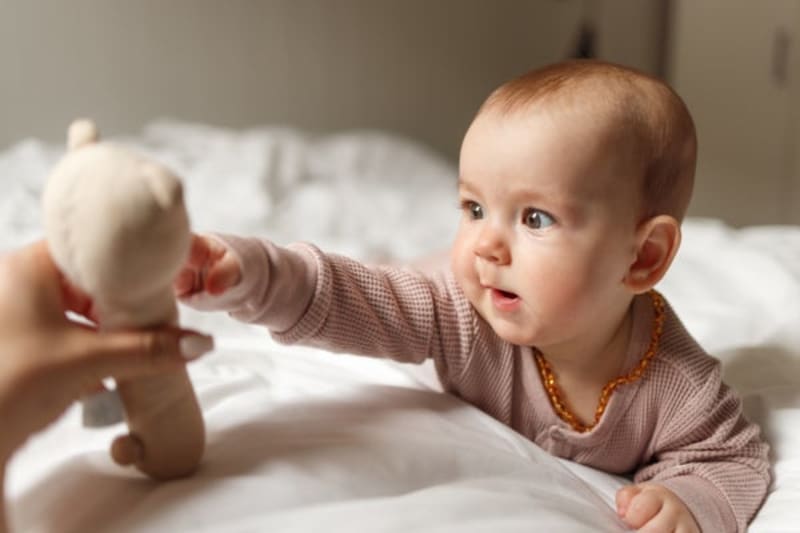
Scientists at the University of Trento in Italy tracked 43 babies through their first year of daycare and discovered something remarkable. Within just one month of starting nursery, infants were extensively sharing gut bacteria with their new friends.
By four months, babies already shared 15 to 20 percent of their microbial species with daycare peers. That's more than all the microbes they had acquired from their entire family since birth, according to microbiologist Nicola Segata, who led the study published in Nature.
The research team collected samples from babies, parents, siblings, and even household pets throughout the year. They mapped how individual bacterial strains jumped from person to person, creating a fascinating web of microbial exchange.
One strain called Akkermansia muciniphila traveled from a mother to her baby, then to another infant at daycare, who passed it along to both of their parents. The social network of bacteria mirrored the social network of people.
Babies with siblings arrived at daycare with more diverse microbiomes already. They received more bacterial strains from their siblings than from their parents, which gave them a head start on microbial richness.
The study even caught babies and household pets swapping bacteria, though only the infants seemed to share strains with their furry friends. Researchers suspect babies have more "intimate" interactions with pets, like floor time and face licks.
Why This Inspires
This research transforms how we think about those inevitable daycare sniffles and exposures. While parents often worry about germs, babies are actually building something precious: a diverse community of helpful bacteria that may stay with them into adulthood.
The long-term health benefits of this early microbial exchange aren't fully understood yet. But given that newly acquired strains were still present at the end of the year, they might stick around much longer.
"Maybe in 20 years, we will find that people still need to thank their friends at daycare for the microbes they got when they were there," Segata says.
The research also revealed that babies' developing immune systems make them uniquely receptive to acquiring new bacterial strains during this window. Their gut microbiomes are still taking shape, creating the perfect opportunity for beneficial bacteria to move in and make themselves at home.
Even mothers benefited from the exchange, acquiring bacteria from other families through their children.
The findings fill a crucial gap in understanding how our microbiomes develop and could help researchers better understand how both beneficial microbes and pathogens spread through communities.
Those first daycare friendships might be shaping your child's health in ways that last a lifetime.
More Images

Based on reporting by Scientific American
This story was written by BrightWire based on verified news reports.
Spread the positivity!
Share this good news with someone who needs it