Daylight Saving Time Saves 36,000 Deer Lives Each Year
Scientists discovered that daylight saving time prevents tens of thousands of deer deaths and saves human lives by keeping evening commutes lighter. The simple clock change could reduce deadly collisions by 14 times during peak hours.
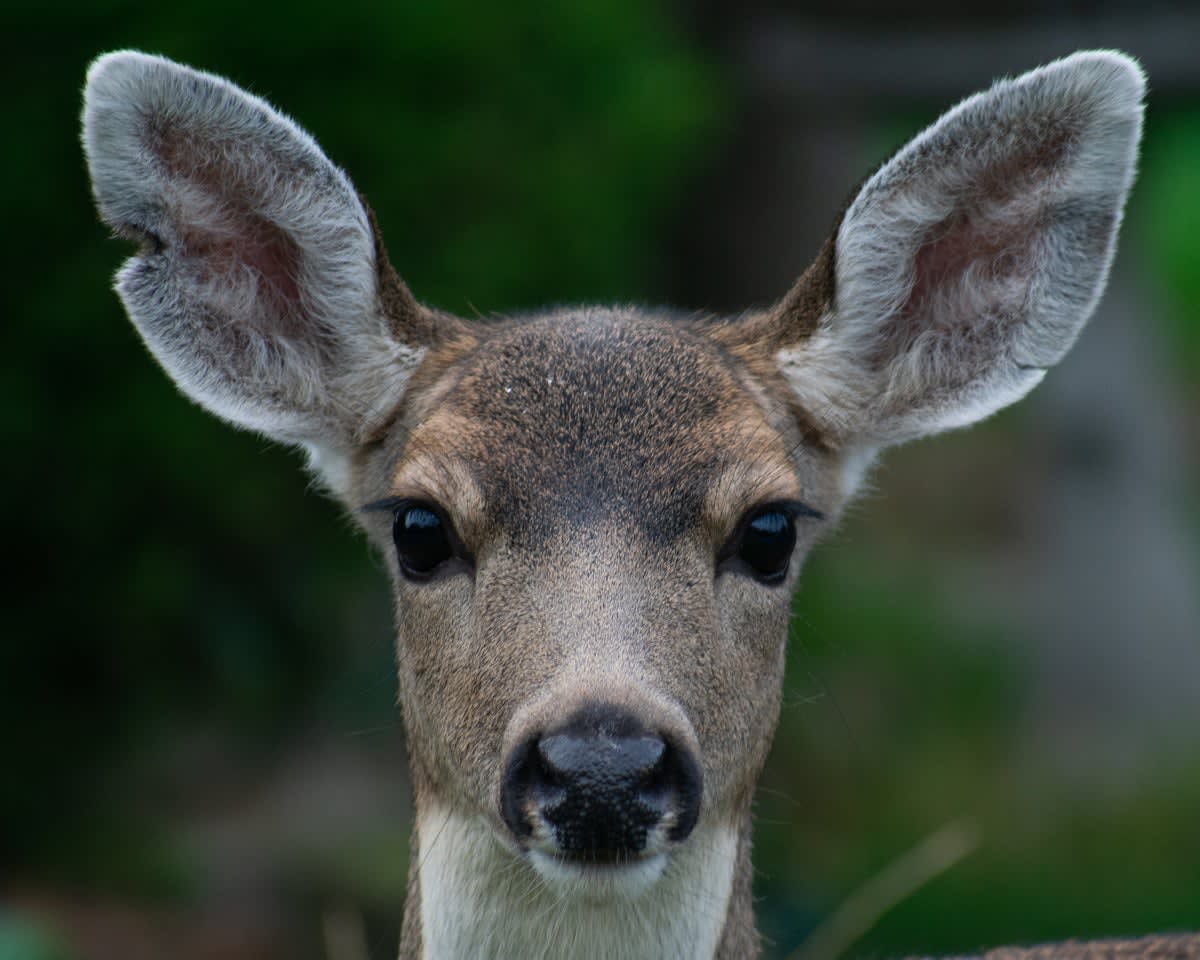
Every year, more than a million deer collide with cars in the United States, killing hundreds of people and countless animals. But researchers just found an unexpected solution hiding in plain sight: daylight saving time.
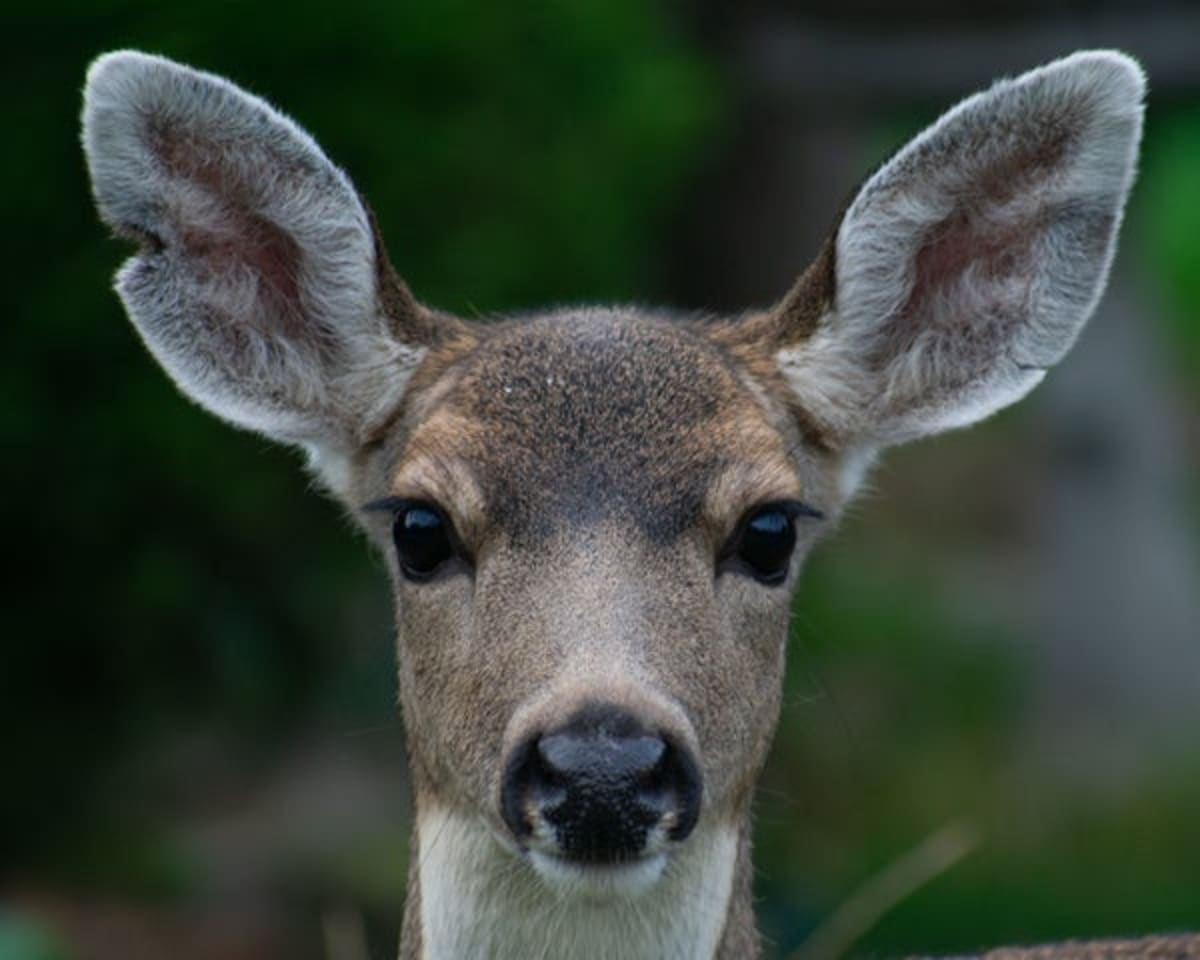
Scientists at the University of Washington discovered that permanently switching to daylight saving time could prevent roughly 36,000 deer deaths from car crashes annually and save about 33 human lives. The simple act of moving our clocks forward keeps evening commutes lighter, dramatically reducing deadly encounters on the road.
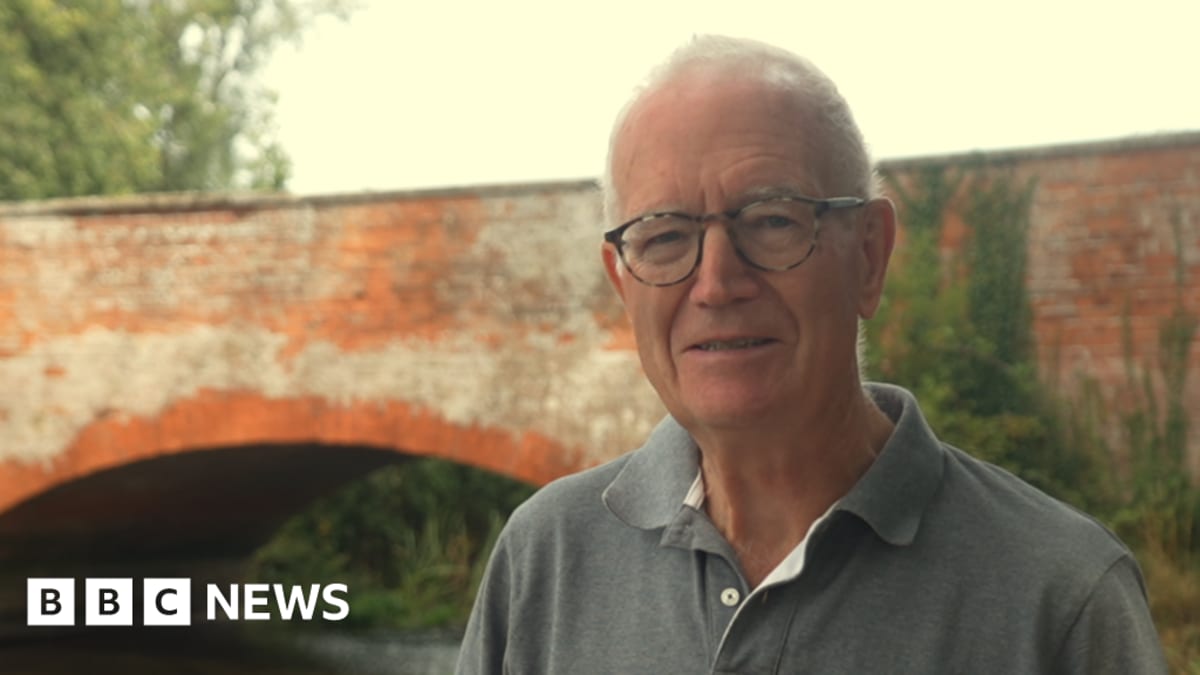
The timing of these collisions isn't random. Tom Langen, a biology professor at Clarkson University who studies animal crashes, explains that deer become active right after dusk, crossing roads and grazing along highways exactly when commuters head home from work.
When we fall back to standard time each autumn, we push evening commutes into darkness. That shift proves deadly for wildlife and dangerous for drivers.
In fact, researchers analyzing over 35,000 deer collisions in New York State found that the rate of crashes jumped 14 times higher just after dark compared to before sunset. The darker evening commutes during standard time create a "net increase" in collisions that morning safety improvements can't offset.
Spring's clock change brings better news. Setting clocks forward means darker morning drives but safer evening commutes, and deer are naturally less active in spring anyway.
Laura Prugh, a professor of quantitative wildlife sciences at the University of Washington, says her team was surprised to find the evening effect so pronounced. The research shows that keeping daylight later would reduce the billion dollars in costs from these collisions, including property damage and medical expenses.
The Bright Side
The benefits extend beyond deer. Raccoons, skunks, foxes, and other mammals that move at dusk would also see protection from permanent daylight saving time. Australian research even suggests koalas could benefit from a similar shift.
Both scientists recommend staying alert near dusk year round and remembering that animals often cross roads in groups. Being aware of peak collision times, especially during fall mating season and under full moons, helps keep everyone safer.
Sometimes the smallest changes create the biggest ripples, and this one protects both the animals we share our roads with and the people driving home to their families.
More Images


Based on reporting by Scientific American
This story was written by BrightWire based on verified news reports.
Spread the positivity!
Share this good news with someone who needs it