De-Extinction Tech Now Saving Endangered Species
The same tools being developed to bring back woolly mammoths are already rescuing species on the brink of extinction. From cloning red wolves to developing elephant vaccines, Colossal Biosciences is proving that moonshot science can solve today's conservation crisis.
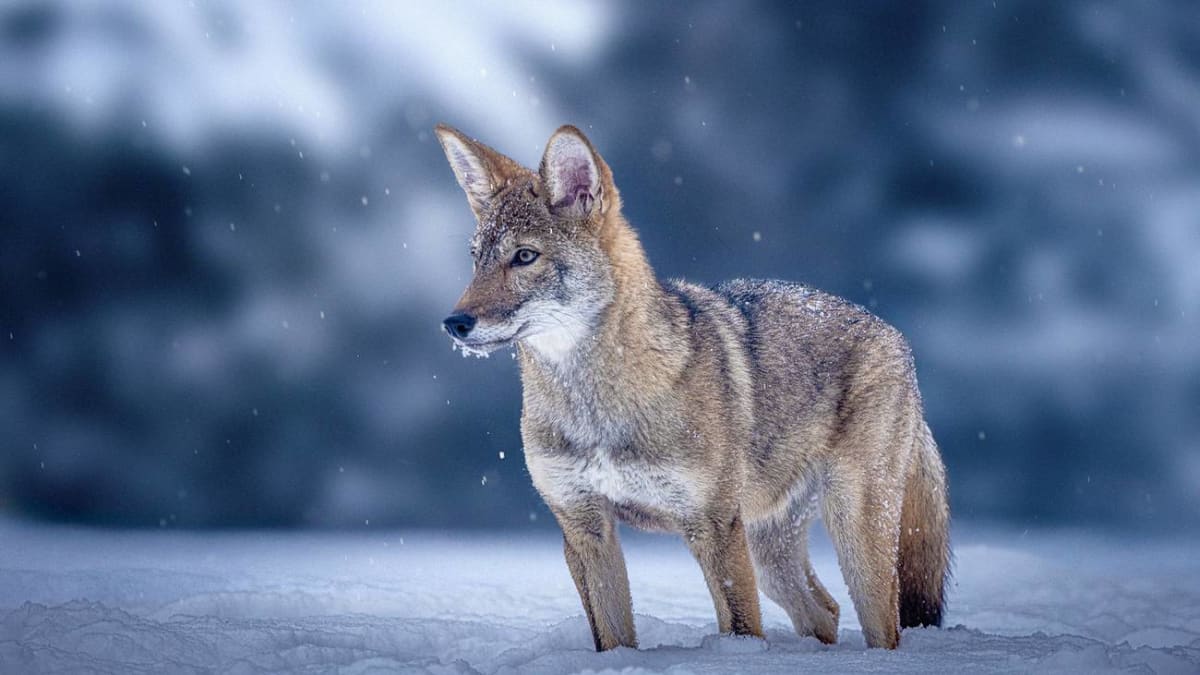
Scientists just cloned the world's first red wolf using technology originally designed to resurrect extinct species, and it could save dozens of animals teetering on the edge of extinction.
Fewer than 20 red wolves remain in the wild, making them one of America's most endangered animals. The captive population of around 250 all trace back to a tiny group of founders, creating a genetic bottleneck so severe that traditional conservation can't fix it.
That's where Colossal Biosciences comes in. The company known for its ambitious plan to bring back woolly mammoths has quietly been applying those same tools to save species that still have a chance.
Matt James, Chief Animal Officer at Colossal, explains the urgency. Species are disappearing at roughly 1,000 times the normal rate, with up to half of all species at risk by 2050.
"When you're down to fewer than 20 wild individuals, the diversity is just gone," James told reporters this week. "The best way to get that genetic material back is cloning."
The company successfully cloned a red wolf named Neka Kayda, using preserved genetic material to restore diversity that's been lost for generations. Without this intervention, the species lacks the genetic strength to recover even with perfect habitat protection.
But the impact goes far beyond wolves. Colossal's technology is being used to develop a vaccine for elephant endotheliotropic herpesvirus, a lethal disease that kills young Asian elephants at rates that suppress population growth. A working vaccine could change the entire demographic future of managed elephant populations.
The company also uses AI-powered bioacoustics to monitor wolf populations in Yellowstone and has launched genetic rescue programs for species like the northern quoll. They're working on disease resistance for endangered amphibians too.
James pushes back against critics who say focusing on extinct species wastes resources. In four years, Colossal raised $615 million for conservation technology, compared to the $5 million he raised in 15 years of traditional conservation work before joining the company.
"The cloning infrastructure we built for the dire wolf is the same infrastructure the red wolf program runs on," he explains. The CRISPR techniques developed for mammoth cold tolerance directly inform Asian elephant conservation efforts.
The Ripple Effect
The moonshot aspect is bringing unprecedented resources to conservation work that's been chronically underfunded for decades. Traditional tools like habitat protection and breeding programs remain important, but they can't keep pace with how fast biodiversity is collapsing.
By the time every living species is in crisis, it will be too late to develop the tools needed to save them. Building that technology now means it exists when the next species hits the critical threshold.
The red wolf population might soon have a fighting chance at real recovery, not just survival in captivity.
More Images


Based on reporting by Google: species saved endangered
This story was written by BrightWire based on verified news reports.
Spread the positivity!
Share this good news with someone who needs it