Deep Sea Mud Reveals Pattern in Pacific Mega-Earthquakes
Scientists just cracked the code on predicting massive earthquakes along the Pacific Coast by studying mud on the ocean floor. Their breakthrough could give communities a clearer timeline for preparing for the next big one.
Scientists have discovered a reliable way to predict when massive earthquakes might strike the Pacific Northwest, and the answer was hiding in mud at the bottom of the ocean.
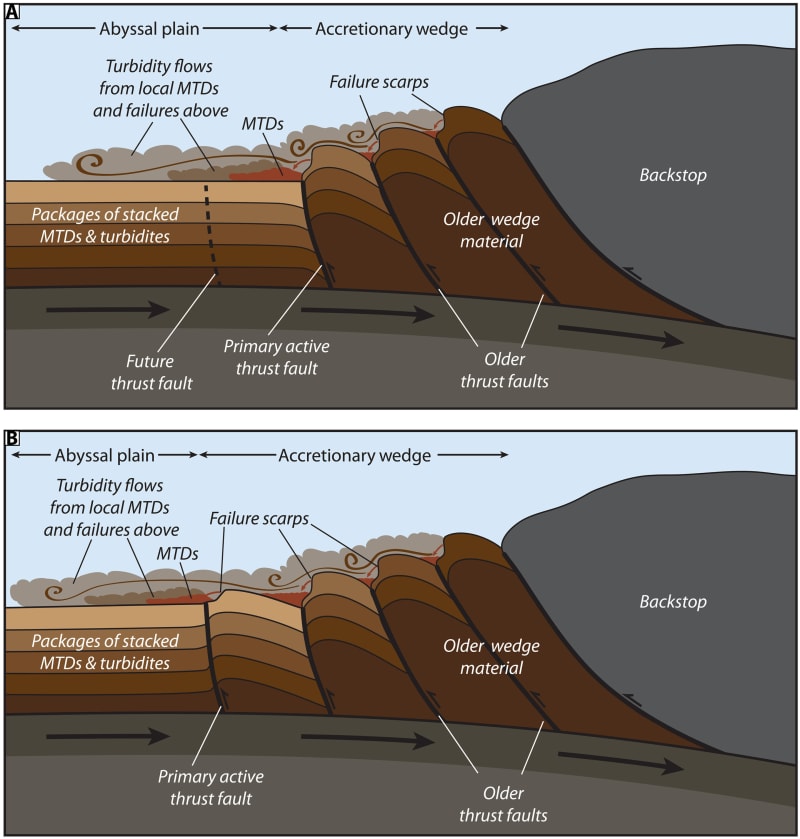
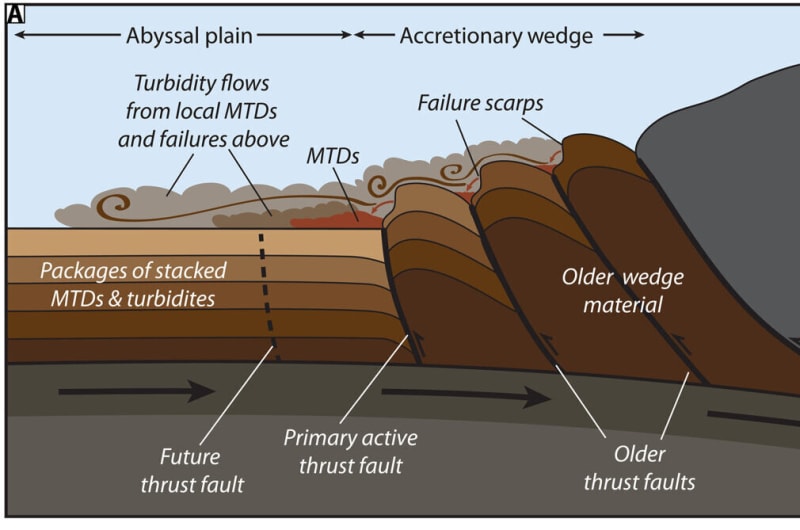
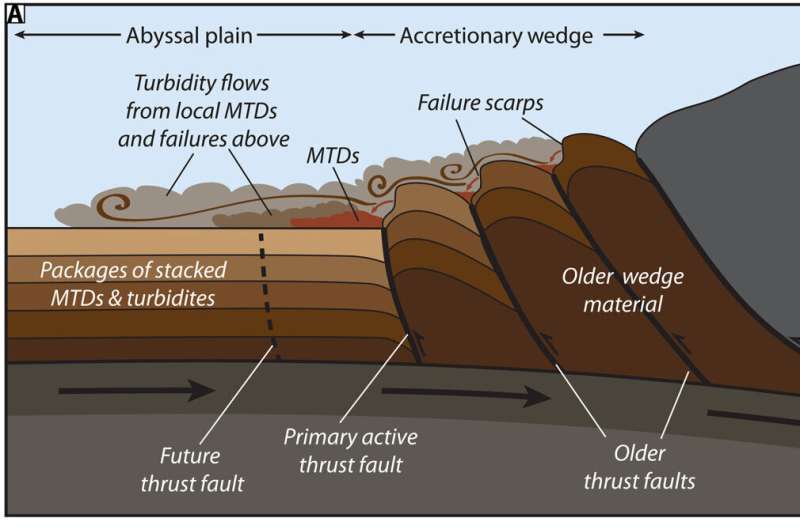
U.S. Geological Survey researcher Jenna Hill and her team used underwater drones and robots to map the seafloor off California's coast in stunning detail. They collected long tubes of mud from both steep underwater hills and the flat ocean floor below, then compared their ages using radiocarbon dating.
What they found changed everything. The mud at the top of the hills matched the age of mud on the floor, even though landslides should leave much older sediment behind.
The secret lies beneath the surface. The research area sits on a subduction zone where tectonic plates grind together, squeezing fresh mud up from deep underground to refill the hills from below.
Here's why that matters: because these hills sit in such deep water, storms and floods can't touch them. That means when the mud slides down, scientists can be confident an earthquake caused it, not bad weather.
This breakthrough solved a problem that has frustrated researchers for years. They've long studied these underwater mud layers to reconstruct earthquake histories, but could never be sure if a storm or a quake triggered the slides.
The Ripple Effect
Using their new method, the team mapped a precise timeline of giant earthquakes along 600 miles of coastline from Northern California to Canada. The pattern is clear: massive quakes strike every 500 years on average.
The last mega-earthquake hit in 1700. With this new timeline, communities now have a much clearer window for when the next one might occur and can prepare accordingly.
The research team believes their approach could transform how scientists study earthquake history worldwide. Any coastal area sitting on a subduction zone could benefit from this technique, giving millions of people better information to protect their families and communities.
The study appeared in the journal Science Advances, representing years of careful work mapping an environment humans can barely reach. What started as tubes of mud from the ocean floor became a gift of preparation time for future generations.
More Images

Based on reporting by Google News - Science
This story was written by BrightWire based on verified news reports.
Spread the positivity!
Share this good news with someone who needs it