Deep Sea Pressure Feeds Hidden Life, Reshapes Carbon Cycle
Scientists discovered that crushing ocean pressure squeezes nutrients from sinking particles, feeding microbes miles below the surface. This unexpected finding could change how we understand Earth's carbon storage and climate.
The deep ocean just revealed a secret feeding system that scientists never knew existed.
Researchers at the University of Southern Denmark found that extreme pressure at ocean depths acts like a giant juicer, squeezing dissolved nutrients from tiny sinking particles called marine snow. These leaked nutrients immediately feed vast communities of microbes living in the dark waters below.
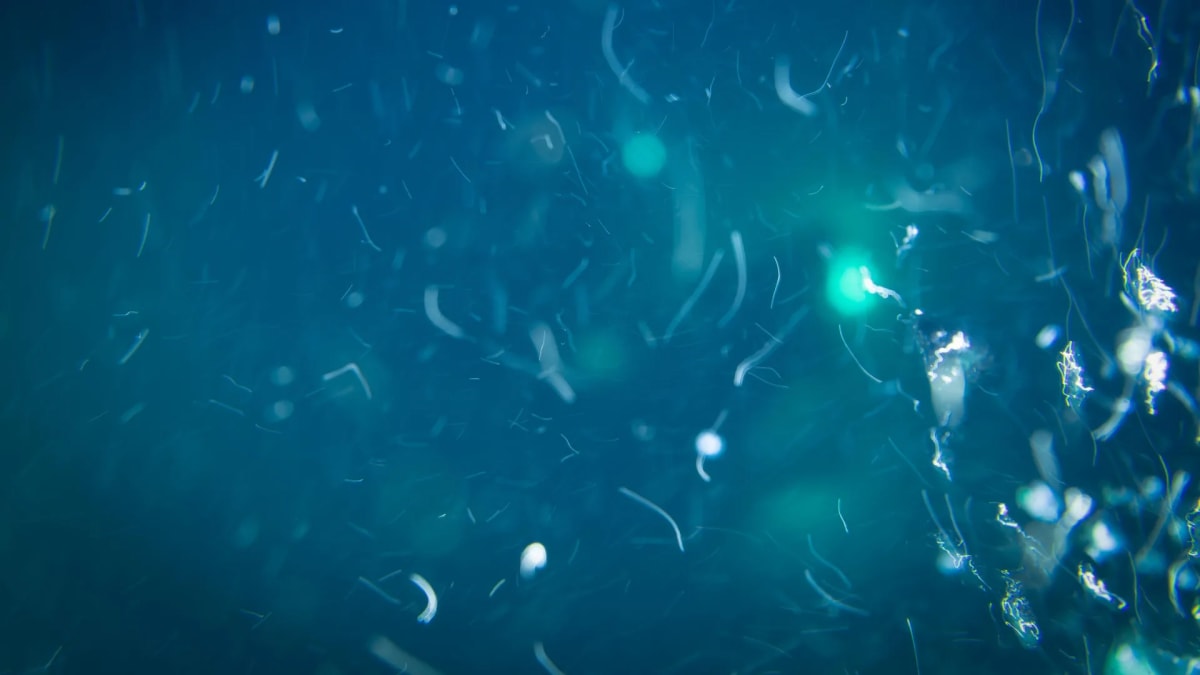
Marine snow consists of dead algae, microbes, and other organic material that drifts downward through the ocean. Scientists always assumed these particles stayed intact until reaching the seafloor. They were wrong.
Once marine snow reaches depths between 2 and 6 kilometers, the crushing pressure forces nutrients out of the particles. Associate Professor Peter Stief, who led the study, explains it perfectly: "The pressure acts almost like a giant juicer. It squeezes dissolved organic compounds out of the particles, and microbes can use them immediately."
The numbers are staggering. Sinking particles lose up to 50% of their carbon and 63% of their nitrogen during their journey to the ocean floor. That's an enormous buffet for deep sea life that scientists thought was starving.
The research team recreated marine snow in laboratory pressure tanks to observe this process. Within just two days of nutrient release, bacterial populations exploded by 30 times their original size. The freed nutrients, mostly proteins and carbohydrates, provided an instant energy feast.
The Ripple Effect
This discovery reaches far beyond feeding microbes. It fundamentally changes our understanding of how Earth stores carbon.
Scientists long believed most carbon carried by marine snow became buried in seafloor sediments, locked away for millions of years. That's how much of today's oil and gas formed. But if huge amounts leak out before reaching the bottom, the ocean stores less carbon long-term than we thought.
Instead, dissolved carbon stays suspended in deep waters for hundreds or thousands of years before gradually returning to the surface and eventually the atmosphere. This affects climate models and predictions about ocean carbon storage capacity.
The team observed this leakage pattern across multiple species of diatoms, suggesting the process happens throughout the world's oceans. Next, they'll search for molecular evidence during an Arctic expedition aboard the research vessel Polarstern, hoping to confirm this mechanism operates in nature as it does in the lab.
Understanding this hidden food web helps scientists grasp how life thrives in Earth's most extreme environments while revealing new pieces of the climate puzzle.
Based on reporting by Science Daily
This story was written by BrightWire based on verified news reports.
Spread the positivity!
Share this good news with someone who needs it