Delhi Bans New Gas Scooters by 2028 to Cut Toxic Air
India's capital just announced a bold plan to phase out petrol scooters and rickshaws by the end of the decade, targeting the vehicles responsible for nearly a quarter of the city's dangerous air pollution. The move could save thousands of lives each year while transforming millions of vehicles into zero-emission alternatives.
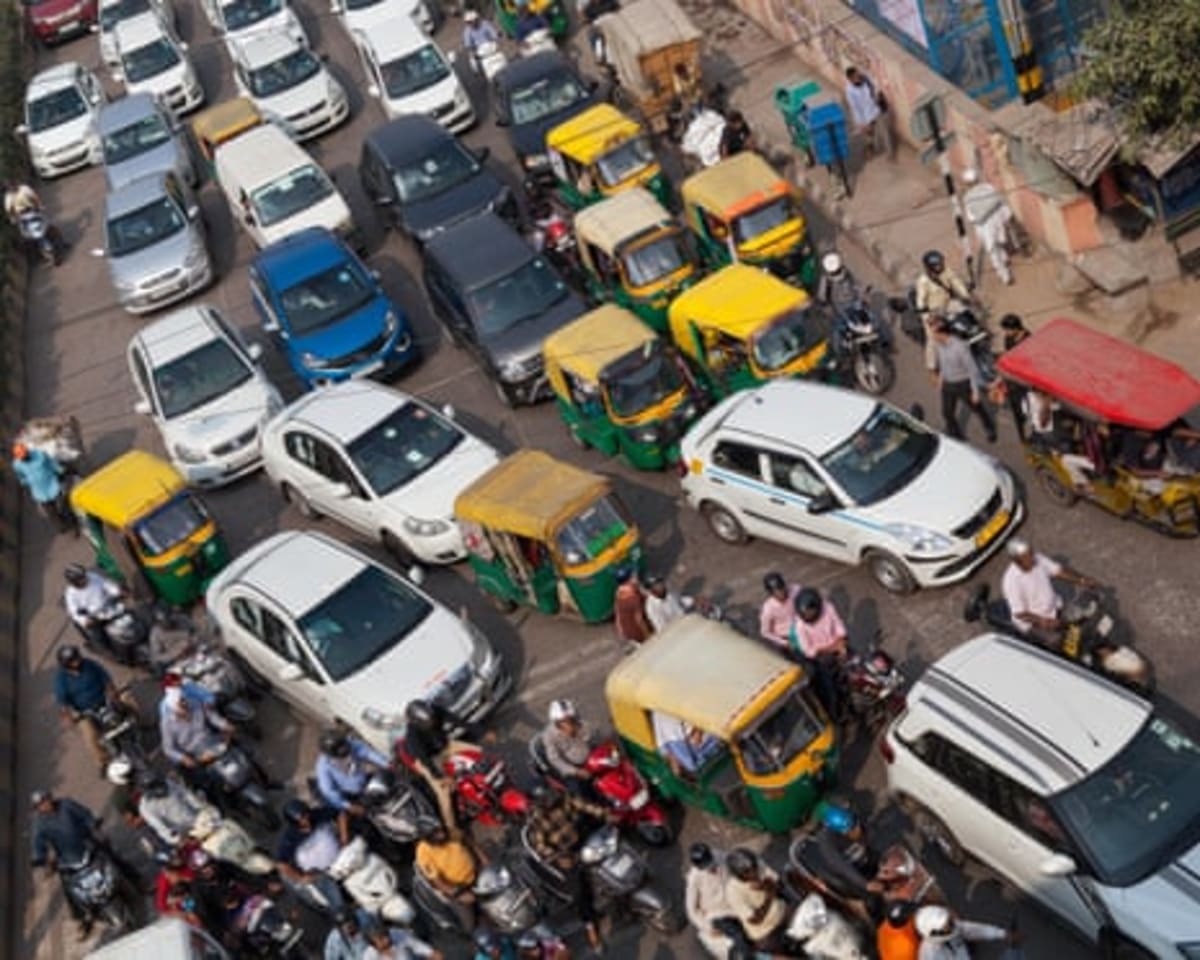
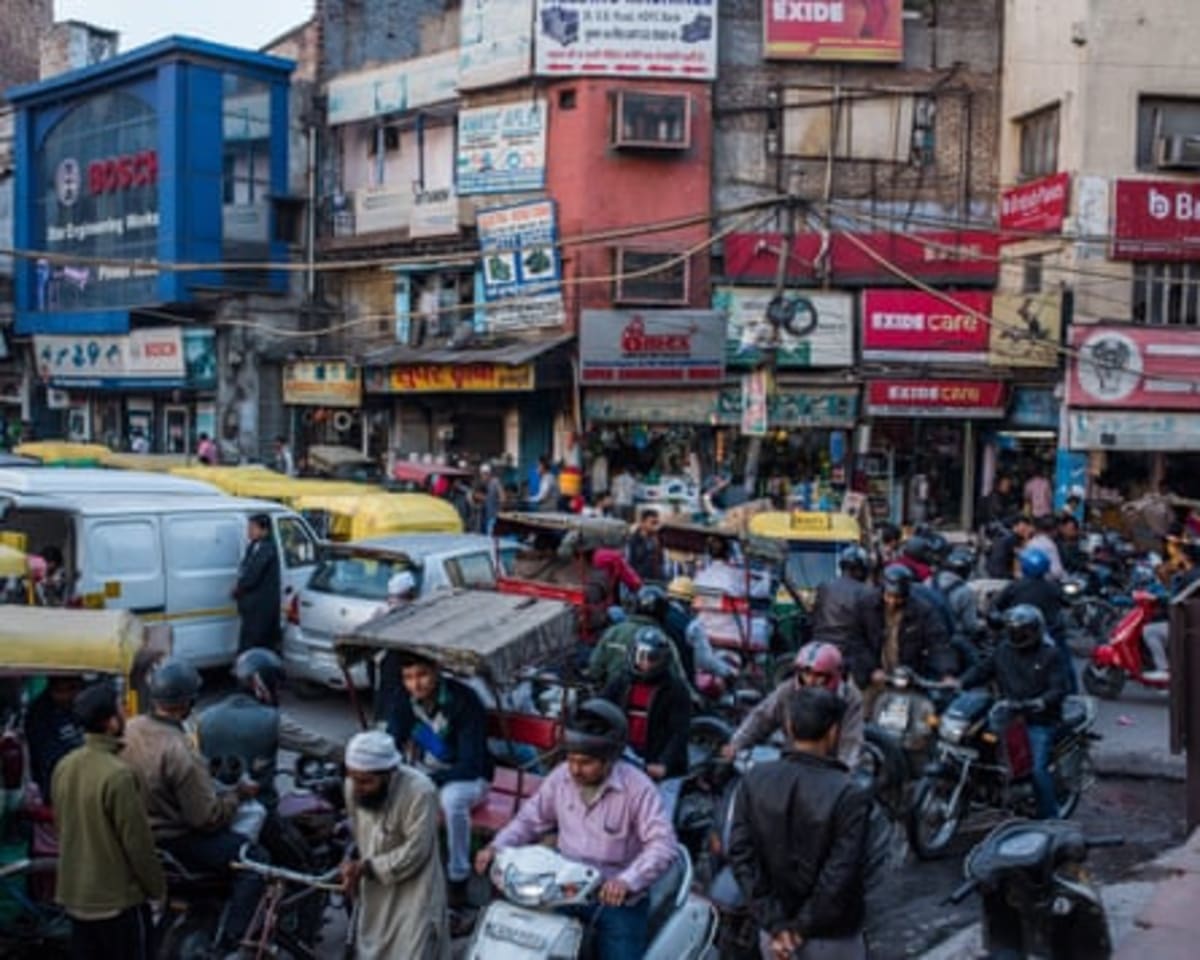
Millions of rickshaws and scooters zip through Delhi's chaotic streets every day, but soon they'll be running on clean electricity instead of toxic fumes that have made the city's air deadly to breathe.
On Monday, Delhi's government announced it will ban new registrations of petrol scooters, motorbikes, and autorickshaws starting in 2027 and 2028. The ambitious policy aims to make at least 30% of the capital's vehicle fleet electric by 2030.
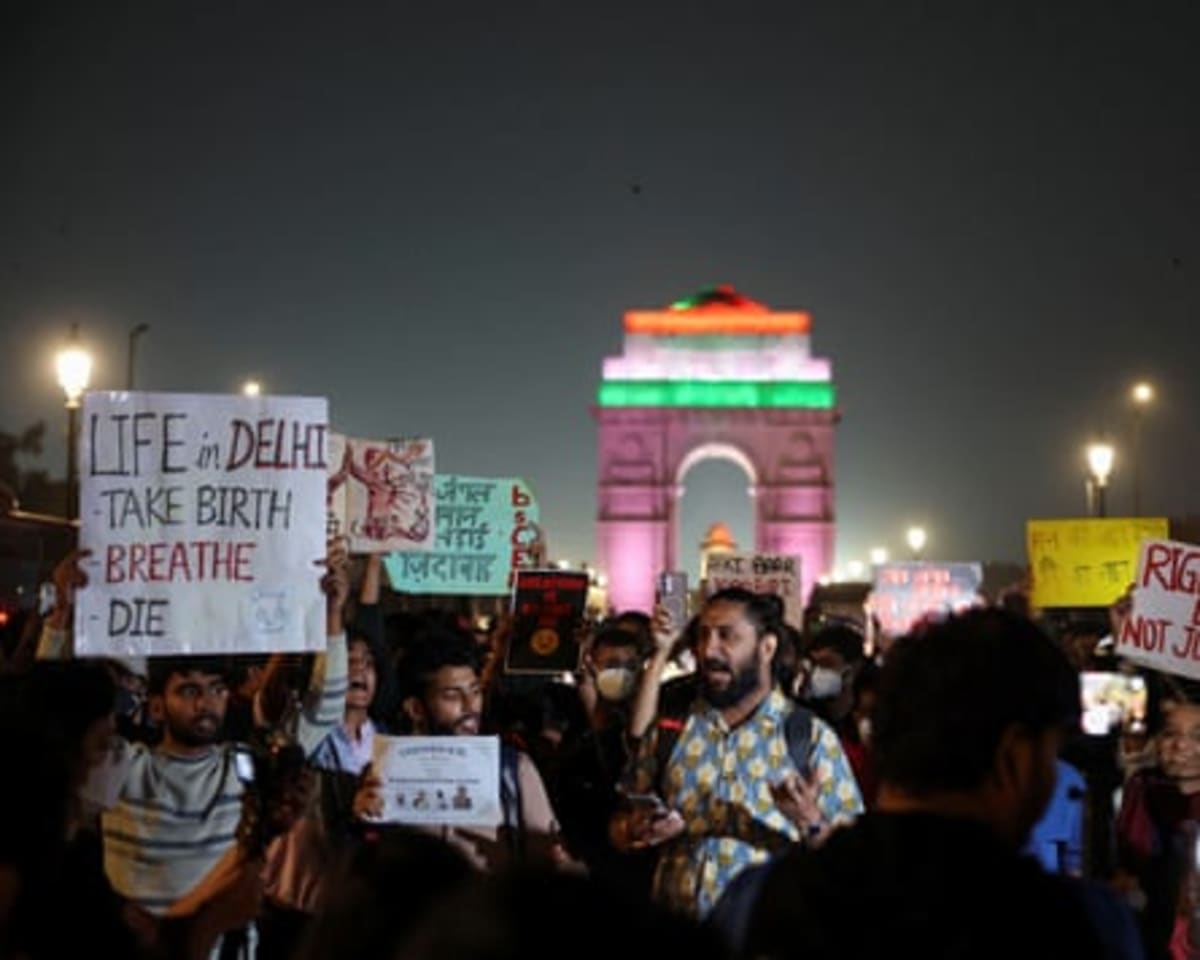
The timing couldn't be more critical. Vehicle emissions account for 23% of Delhi's air pollution, the single largest source of the toxic smog that blankets the city each winter and contributes to tens of thousands of deaths annually.
Scooters and rickshaws make up more than two-thirds of the tens of millions of vehicles on Delhi's roads. Starting in 2027, the city will only issue new license plates to electric three-wheelers, followed by electric scooters and motorbikes in 2028.
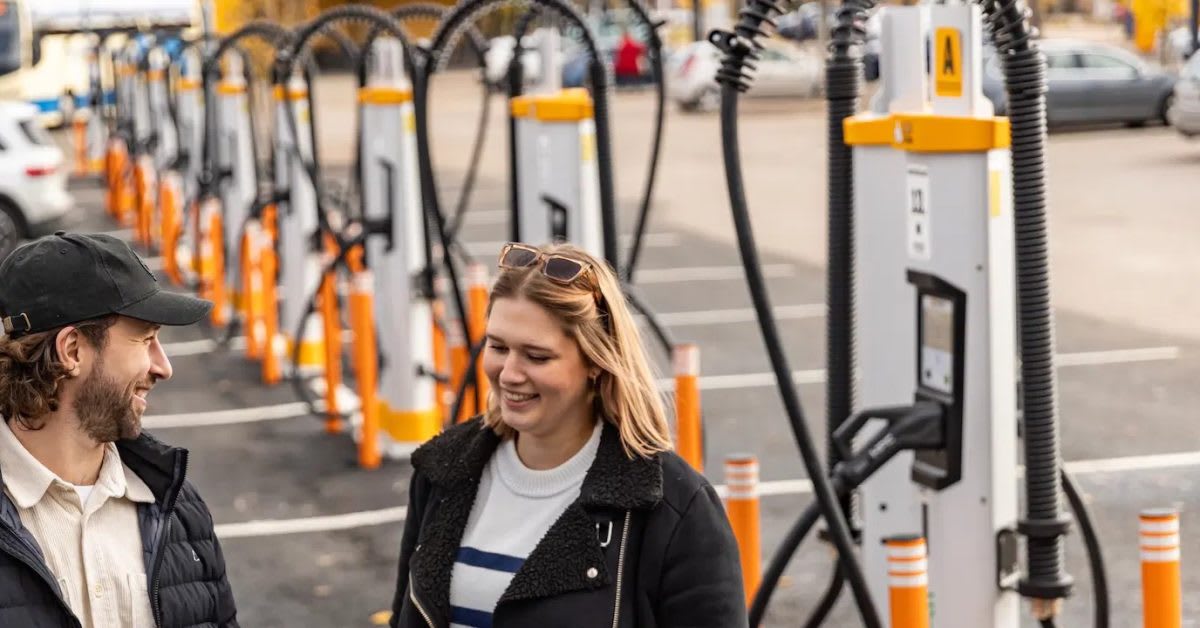
The government plans to build more than 30,000 public charging stations across the capital to support the transition. Delhi already leads India as the country's largest electric vehicle market, with affordable options rapidly expanding.
The Ripple Effect
Environmental experts are calling the policy a "gamechanger" for air quality. Amit Bhatt from the International Council on Clean Transportation points out that switching these vehicles to zero emissions could significantly reduce pollution, improve public health, and inspire similar transitions across India.
The policy includes major tax breaks for people who choose to buy electric cars voluntarily, creating financial incentives beyond the registration requirements. Manufacturers are expected to respond by investing in new green technology and expanding consumer choices.
Electric rickshaws have already become more common on Delhi's streets over the past two years. As charging infrastructure expands and more drivers see the benefits firsthand, the transition could accelerate faster than expected.
Some drivers like Rajesh Gopi, who parks his gas rickshaw in busy Connaught Place, worry about charging times and lost income during the switch. But even skeptics acknowledge the current air pollution is unbearable for drivers who breathe toxic fumes all day.
The real breakthrough isn't just cleaner air for one city. Delhi's bold move could create a template for megacities worldwide struggling with vehicle emissions and air quality, proving that rapid transitions to clean transportation are possible even in the world's most congested urban centers.
More Images

Based on reporting by Guardian Environment
This story was written by BrightWire based on verified news reports.
Spread the positivity!
Share this good news with someone who needs it