Europe's Air Gets Cleaner as Major Pollutants Drop 40%
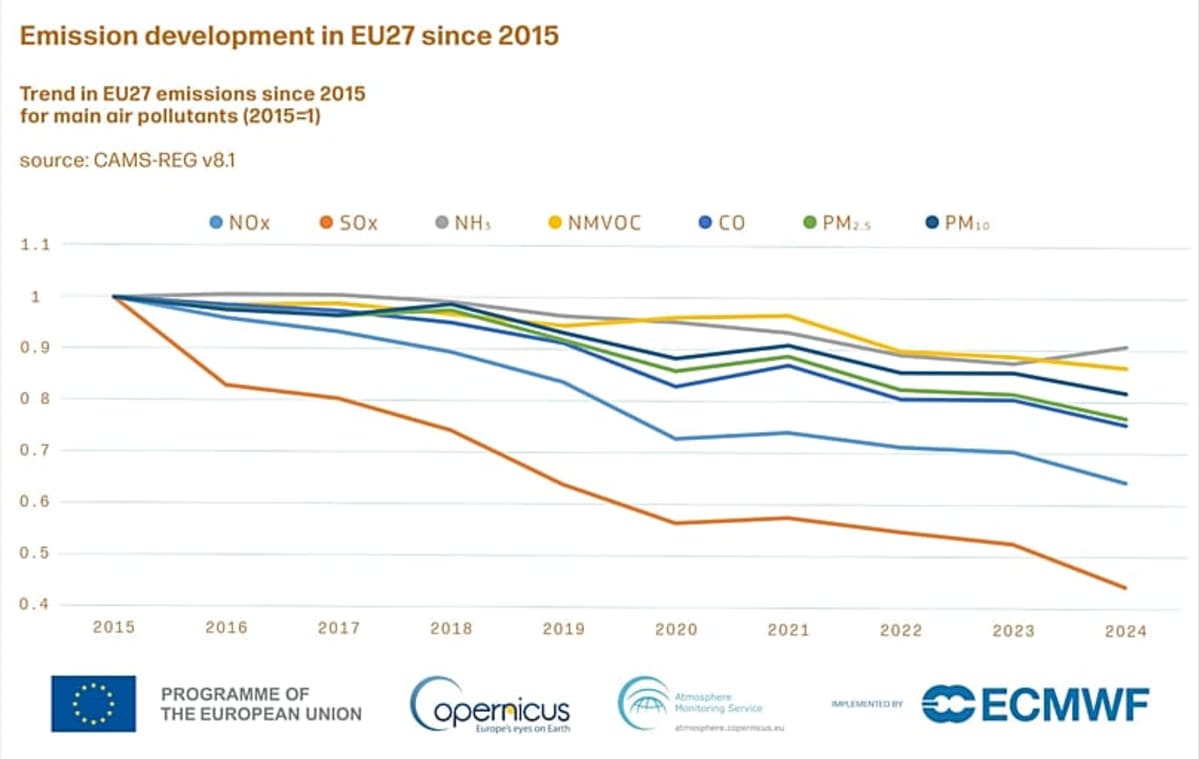
Decades of environmental policy are finally paying off across Europe, with toxic emissions dropping by up to 59% since 2015. The shift to electric vehicles and renewable energy is clearing the air for millions.
Europe is breathing easier as a new report confirms what researchers hoped to see: the continent's air quality is steadily improving, with some of the most dangerous pollutants falling by more than half in just a decade.
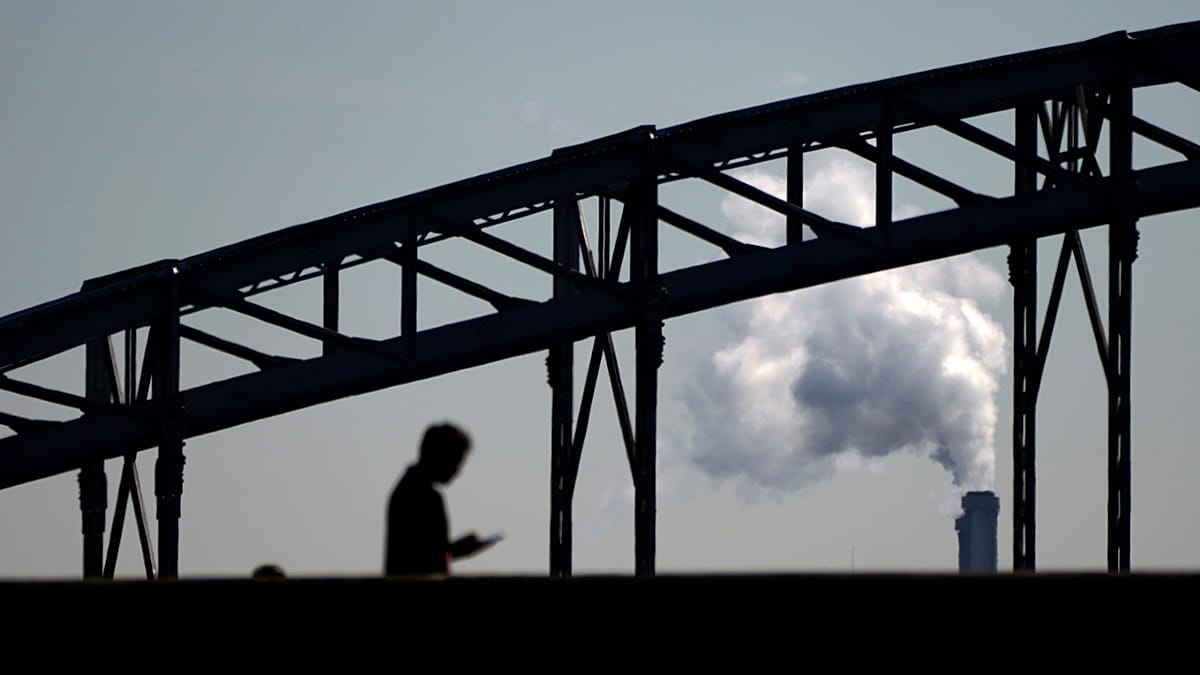
The EU's Copernicus Atmosphere Monitoring Service released its 2025 assessment showing dramatic drops in the toxic gases that threaten human health. Industrial emissions of sulphur oxides have plunged 59%, while nitrogen oxides from industry fell 39% since 2015.
These aren't just numbers on a chart. Sulphur oxide severely irritates the respiratory system and drives acid rain formation, while nitrogen oxide inflames airways and can trigger asthma attacks even after short exposure.
The transportation sector is finally catching up to other industries in the clean air race. Road transport emissions have dropped 40% for nitrogen oxides and 34% for fine particulate matter, the tiny pollution particles that penetrate deep into lungs.
Electric vehicles deserve much of the credit. Europe's transport sector emitted 1.05 billion tonnes of CO2 in 2024, down from 1.1 billion in 2019. That 5% drop represents cleaner air in cities where millions of people live and breathe every day.
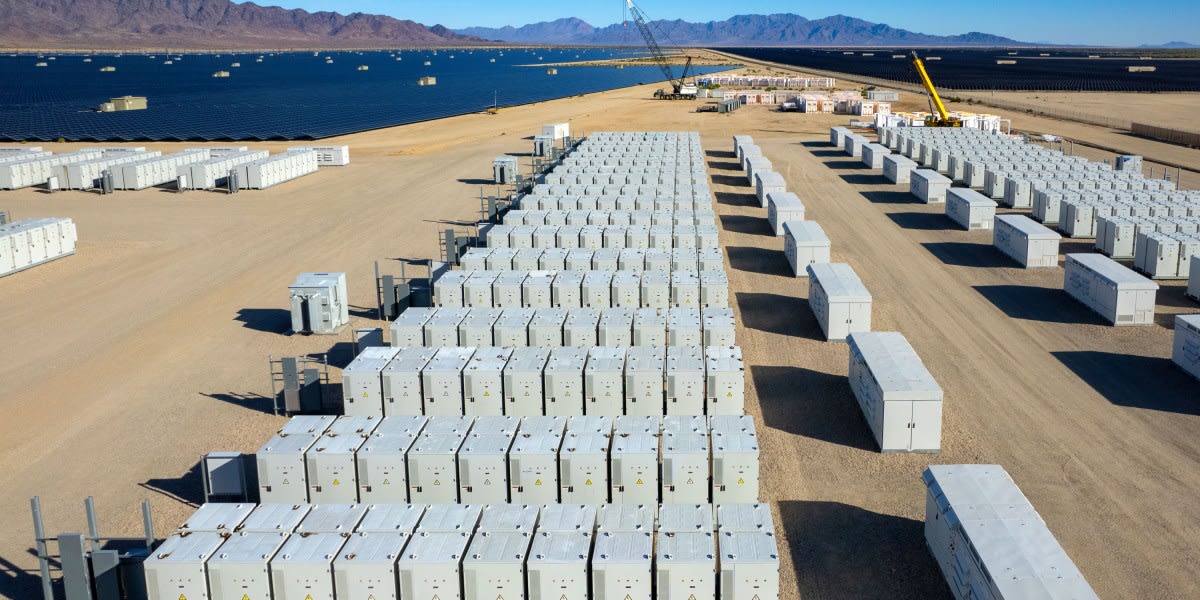
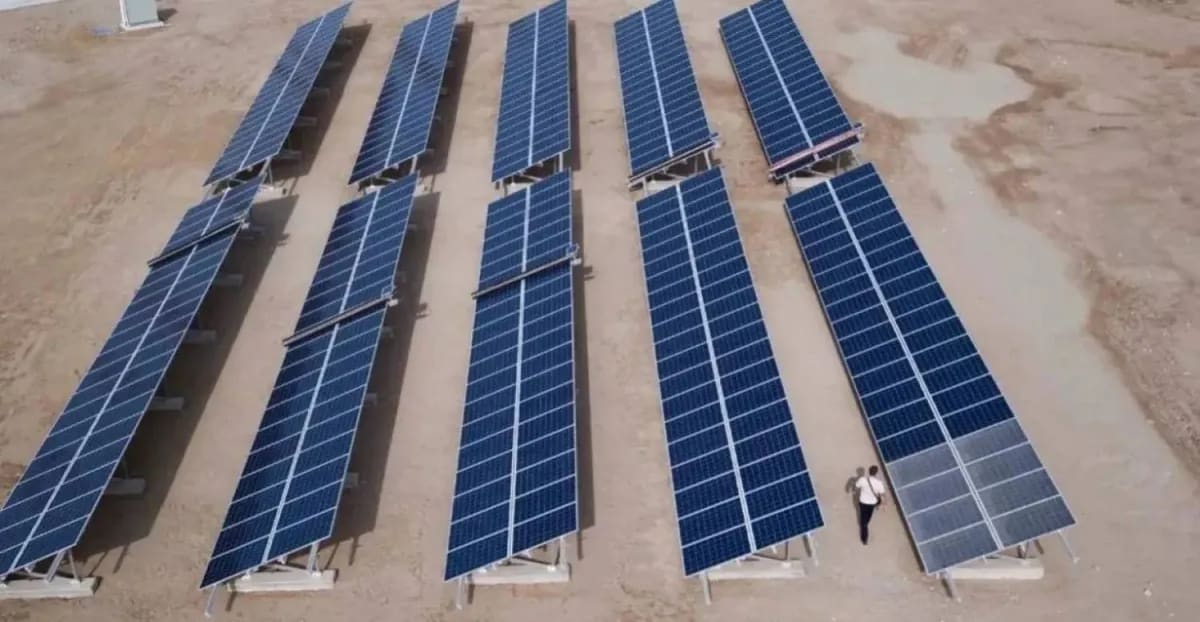
The energy transition is accelerating progress beyond roads and highways. More than half of EU electricity came from renewable sources in the second quarter of 2025 for the first time ever. Sweden led the pack with an impressive 99% of its electricity from low-carbon sources.
The Ripple Effect: When air quality improves, the benefits cascade through entire communities. Children with asthma experience fewer attacks. Elderly people face lower risks of respiratory disease. Plants grow healthier. Even buildings suffer less damage from acid rain, preserving cultural heritage for future generations.
CAMS Director Laurence Rouil credits sustained efforts across multiple sectors, from transport and industry to residential heating. The improvements show what's possible when policy, technology, and public will align toward a common goal.
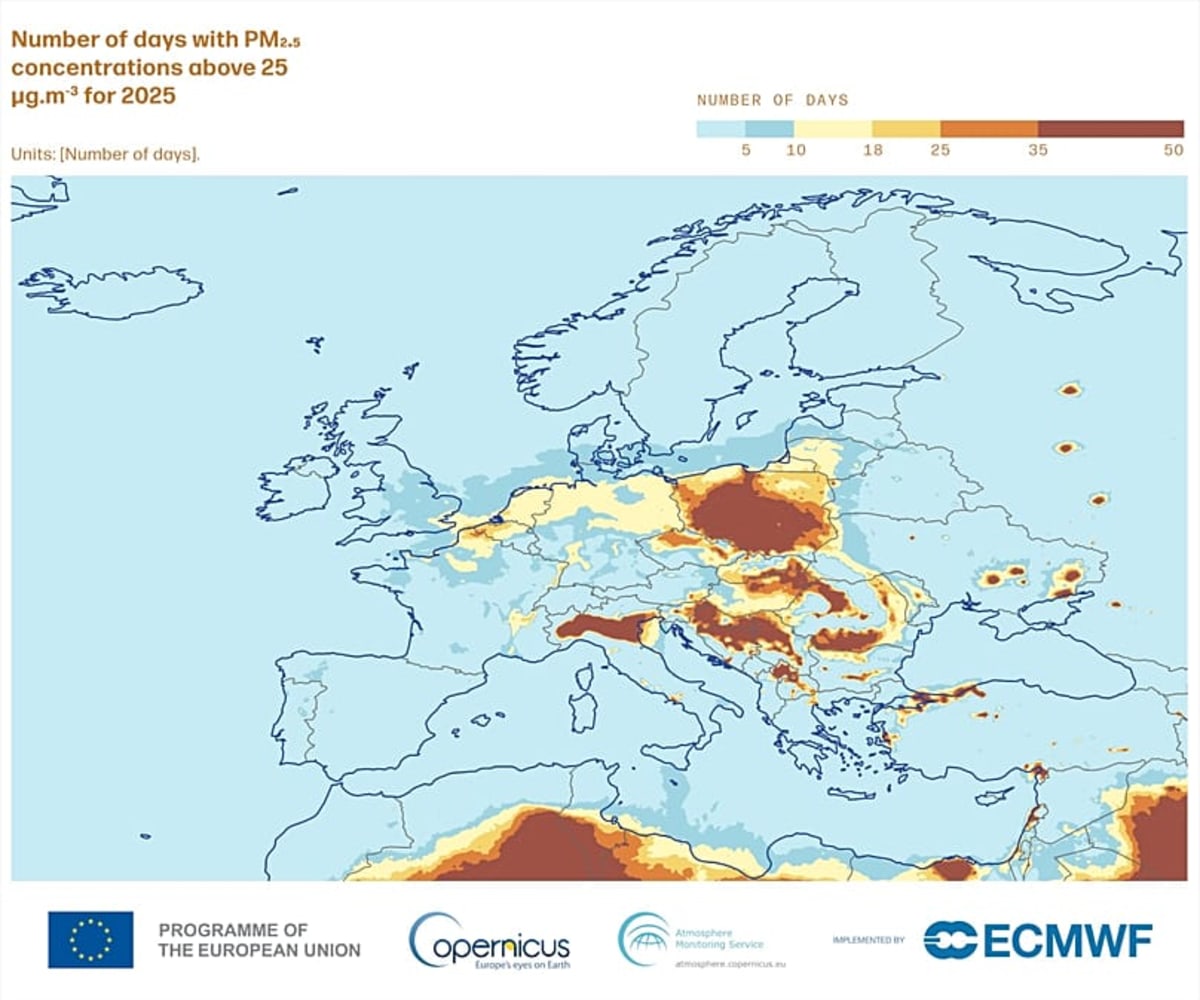
The report acknowledges challenges remain. Extreme heat and wildfires can temporarily spike pollution levels, as seen during record blazes in Portugal and Spain last August. But these events underscore why continued progress matters.
Europe's cleaner air proves that environmental policies work when given time and commitment.
More Images

Based on reporting by Euronews
This story was written by BrightWire based on verified news reports.
Spread the positivity!
Share this good news with someone who needs it