Delhi Brothers Rescue 23,000+ Birds From Deadly Kite Strings
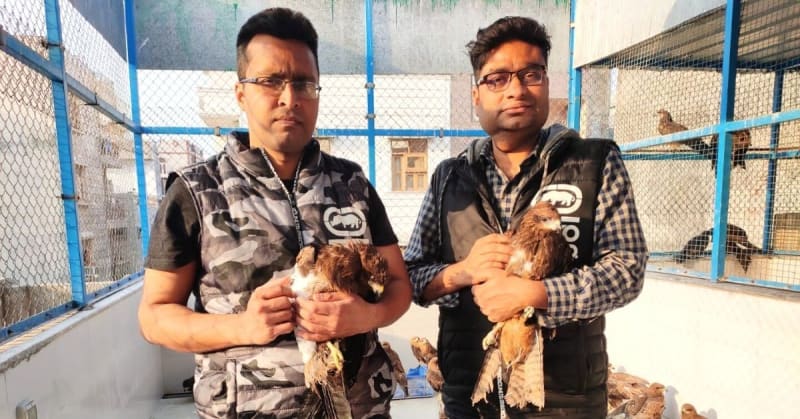
Two self-taught brothers in Delhi have saved over 23,000 injured birds from their basement clinic over the past two decades. Nadeem Shehzad and Mohammad Saud treat victims of banned glass-coated kite strings that slice through wings and leave birds unable to fly.
📺 Watch the full story above
When Nadeem Shehzad and Mohammad Saud found their first injured kite bird tangled in glass-coated string in the 1990s, every veterinary clinic in Delhi turned them away. The brothers watched helplessly as the bird died, but that moment changed everything.
For the next 22 years, the siblings transformed their family basement into a makeshift bird hospital. Today, they rescue around 40 different species each year, treating everything from owls and hawks to egrets and water hens.
The brothers quit school in 1997 to help their family's bathroom fittings business. They run their rescue operation called Wildlife Rescue in their spare time, treating birds on their rooftop during the day and housing them in cages at night.
The biggest threat comes from manjha, synthetic kite strings coated in metal or glass that slice through bird wings mid-flight. Despite a government ban in 2017, these deadly strings still injure thousands of birds annually, especially during kite-flying festivals around Independence Day in August.
Delhi Police, fire departments, and local residents now call the brothers regularly with injured birds. A part-time veterinarian helps perform surgeries while two assistants handle daily care and paperwork.
Many rescued birds arrive with severed wings, eggs stuck during delivery, or trauma from falling out of nests. The brothers feed them balanced diets with meat and provide medical treatment until they can fly again.
The Ripple Effect
Without formal wildlife training available in India, Nadeem and Saud travel to the United States for rescue workshops and advanced techniques. Their self-taught dedication inspired neighbors to pitch in with donations and support.
On any given day, 100 healing birds fill their rooftop enclosure. Some recover fully and return to the sky, while others with severe injuries receive comfort care in their final days.
The brothers estimate they treat their busiest caseload between March and August when kite-flying peaks. During these months, they can rescue up to 500 injured kites alone.
What started as two teenagers refusing to accept "we don't treat carnivorous birds" has become Delhi's lifeline for wounded wildlife. The brothers prove that formal education matters less than genuine compassion and stubborn determination to make a difference.
More Images

%2Fenglish-betterindia%2Fmedia%2Fpost_attachments%2Fuploads%2F2022%2F03%2FNadeem-kite-1646226505.jpg)
%2Fenglish-betterindia%2Fmedia%2Fmedia_files%2F2025%2F11%2F20%2Fwild-at-heart-banner-image-microsite-banner-2025-11-20-16-17-04.jpg)
Based on reporting by The Better India
This story was written by BrightWire based on verified news reports.
Spread the positivity!
Share this good news with someone who needs it