Delhi Court Grants Army Wife Right to IVF After Tragedy
A Delhi court ruled that an injured soldier's prior consent to IVF with his wife still counts, even though he's now unable to speak. The decision recognizes reproductive rights as fundamental, offering hope to a couple whose family plans were interrupted by a training accident.
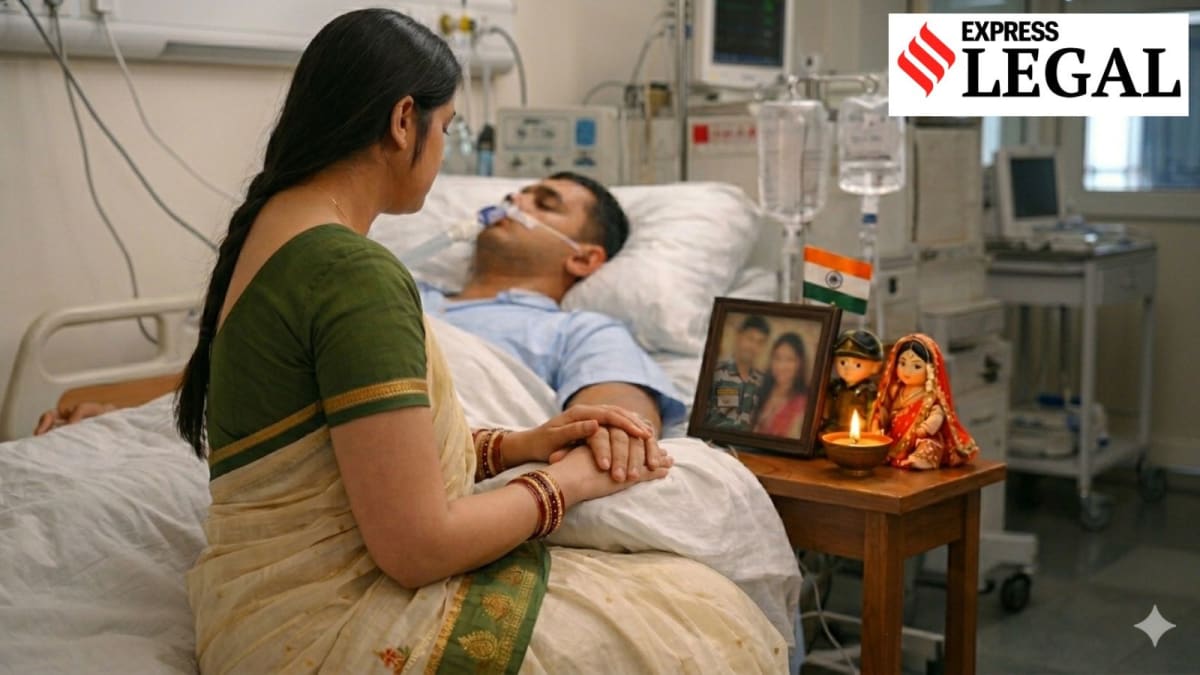
When a Lance Naik in the Indian Army fell during a training exercise in Kashmir last July, his wife's dreams of motherhood seemed to vanish with him into a coma. But this month, the Delhi High Court gave her something precious: the legal right to continue the family they had started planning together.
The couple had married in 2017 and decided to grow their family through IVF treatment in June 2023. Just over a year later, the soldier suffered a severe brain injury during duty in Dhoodhganga, Jammu and Kashmir, leaving him in a persistent vegetative state with no signs of recovery.
His wife approached the court with a heartfelt plea: permission to retrieve and preserve her husband's sperm so she could proceed with the IVF treatment they had chosen together. The government objected, arguing that current written consent was required under the Assisted Reproductive Technology Act.
Justice Purushaindra Kumar Kaurav disagreed. On April 13, he ruled that the couple's prior decision to undergo IVF together constituted valid consent, even without fresh written authorization. The court emphasized that procedural rules shouldn't destroy fundamental rights, especially the right to reproductive autonomy protected under India's constitution.
A medical board found that retrieving viable sperm would be challenging but possible. The court acknowledged the uncertainty but noted that parenthood has always involved factors beyond human control.
Why This Inspires
This case represents more than one family's struggle. It establishes that reproductive choices made together as a couple retain their validity even when tragedy strikes. The ruling recognizes that love, commitment, and shared decisions don't evaporate when someone loses the ability to sign a form.
The judgment drew on similar cases from Kerala and international courts, building a foundation for compassionate interpretation of reproductive laws. It sends a message that the legal system can adapt to honor both the letter and spirit of the law.
The court referenced ancient wisdom from the Srimad Bhagavatam in opening its decision, connecting modern reproductive rights to timeless human desires for family and continuity. In doing so, it bridged tradition and progress.
For this Army wife, the ruling offers something invaluable: the chance to build the family she and her husband dreamed of together, honoring their shared decision even as he lies unable to voice it again himself.
Based on reporting by Indian Express
This story was written by BrightWire based on verified news reports.
Spread the positivity!
Share this good news with someone who needs it