Delhi Designer Turns Eggshells Into Plates, Leaves Into Shoes
A 27-year-old Delhi designer is transforming kitchen waste and fallen leaves into beautiful plates and footwear that people actually want to buy. Her company YLEM now ships 400 pairs of leaf slippers monthly while keeping tons of waste out of landfills.
Midushi Kochhar's childhood bedroom looked nothing like other kids' rooms. Instead of toys, she collected seashells, pebbles, dried flowers, and even snake skins from hikes.
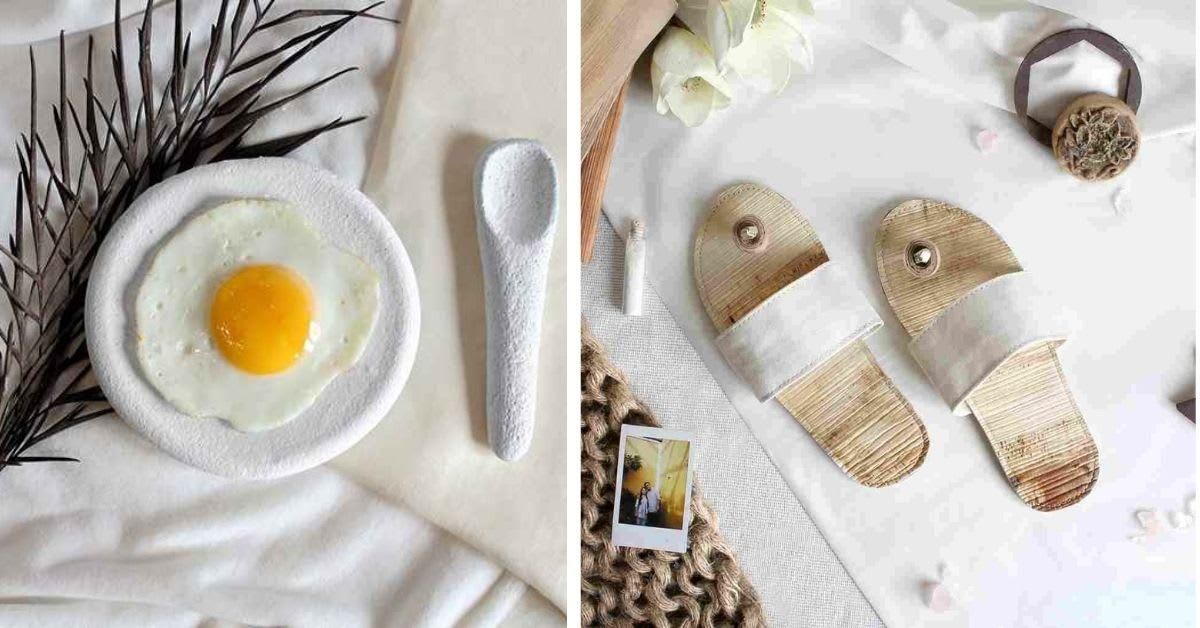
That early love for transforming "strange things" into beauty led the 27-year-old to launch YLEM, a Delhi-based company that turns waste into luxury goods. Her two main products sound almost impossible: ceramic-style plates made from eggshells and slippers crafted from fallen leaves.
The eggshell idea started as Midushi's graduation project at Central St Martins in London in 2017. She mixed discarded eggshells with a natural binder to create a material that looks and feels like ceramic or concrete. Her professors were stunned.
Today, she partners with an egg processing company in Delhi that supplies eggshell powder and flakes. What would have ended up in landfills becomes bespoke tableware shipped to customers in China and Milan. The pieces have been displayed at the Sustainable Design Material Museum in Guangzhou and Milan Design Week.
But the real breakthrough came from an unexpected collaboration. Midushi's mother Sakshi, a former fashion industry professional turned educator, joined the venture with an idea for footwear made from leaves. The "hasiroo" slippers use natural fiber leather from fallen leaves, creating shoes that are both sustainable and stylish.
The mother-daughter team brings contrasting design perspectives that Sakshi says makes the work fascinating. "It allows us to explore different perspectives beyond the lens of our mother-daughter dynamic," she explains.
The slippers became YLEM's bestseller almost immediately. The company now produces over 400 pairs monthly, though sourcing presents unique challenges since fallen leaves are seasonal.
The Ripple Effect
YLEM's success proves that circular design can work at commercial scale. By partnering with food processors who previously paid to dispose of eggshells, Midushi created a wasteless system where one company's trash becomes another's treasure.
The venture also inspired her earlier project in the Netherlands, where she collected manufacturing waste and delivered it to schools for children's art projects. That idea of seeing value where others see garbage has become her design philosophy.
The company name itself reflects this vision. YLEM means "a hypothetical initial substance of the Universe from which all matter is derived," perfectly capturing the idea that everything has potential value if we look closely enough.
Midushi is already working on her next innovation: home decor made from chicken feathers combined with bioplastic. The feathers' natural binding strength creates a flexible, wet-mouldable material that's surprisingly durable.
From a child weaving stories around discarded objects to a designer shipping sustainable products worldwide, Midushi proves that waste is just creativity waiting to happen.
More Images
%2Fenglish-betterindia%2Fmedia%2Fpost_attachments%2Fuploads%2F2022%2F07%2Fsustainable-products-1657200127.jpg)
%2Fenglish-betterindia%2Fmedia%2Fpost_attachments%2Fuploads%2F2022%2F07%2FEggware-2_11zon-1657193343.jpg)
Based on reporting by The Better India
This story was written by BrightWire based on verified news reports.
Spread the positivity!
Share this good news with someone who needs it