Water Jets Now Recycle Solar Panels at 97% Silver Purity
Scientists developed a water-jet recycling method that recovers silver, copper, and silicon from old solar panels with unprecedented purity. The breakthrough could solve one of renewable energy's biggest waste challenges as millions of panels reach retirement age.
Scientists just cracked a major problem that's been quietly looming over the solar energy revolution: what to do with millions of aging solar panels.
An international research team developed a recycling method using high-pressure water jets that can separate old solar panels into their valuable components without contaminating them. The technique recovered silver at 97% purity, copper at 78%, and separated silicon, glass, and polymer materials for reuse.
The breakthrough matters because solar panels installed during the early renewable energy boom are now reaching the end of their 25 to 30 year lifespan. Without effective recycling, these panels would become toxic waste despite their valuable materials.
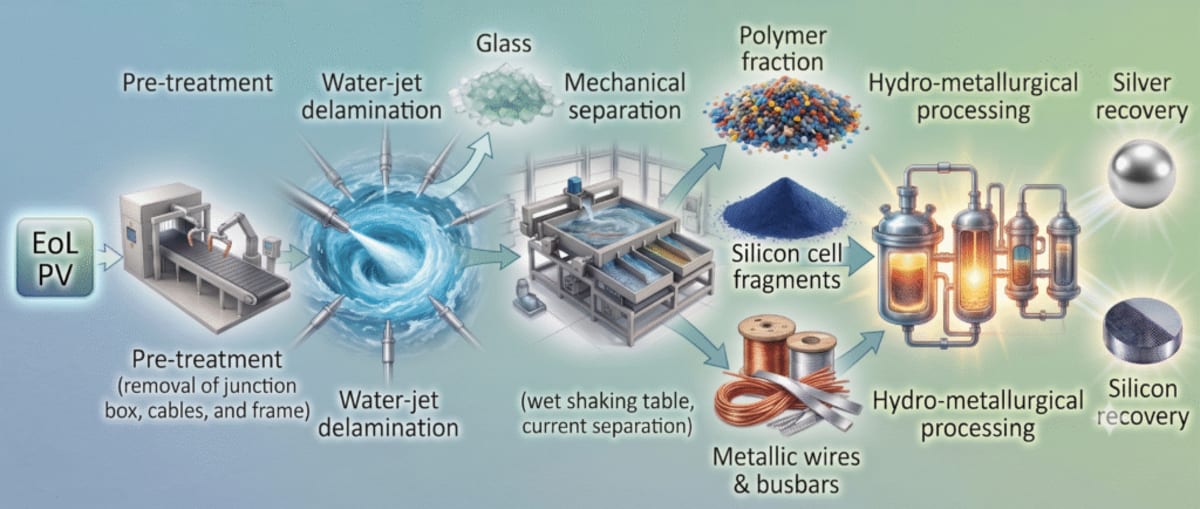
The water-jet method works by blasting apart the tightly bonded layers of glass, silicon cells, and backing materials. Unlike crushing panels into mixed debris, this approach keeps materials separated and clean from the start.
After the water jet removes the glass layer at high purity, the remaining mixture gets filtered out. The process water recirculates through the system, keeping water waste minimal while maintaining efficiency.
The mixed materials then go through density-based separation. Heavy metals sink while lighter polymers float, similar to gold panning. Eddy-current magnets pull out metallic wires and connectors.
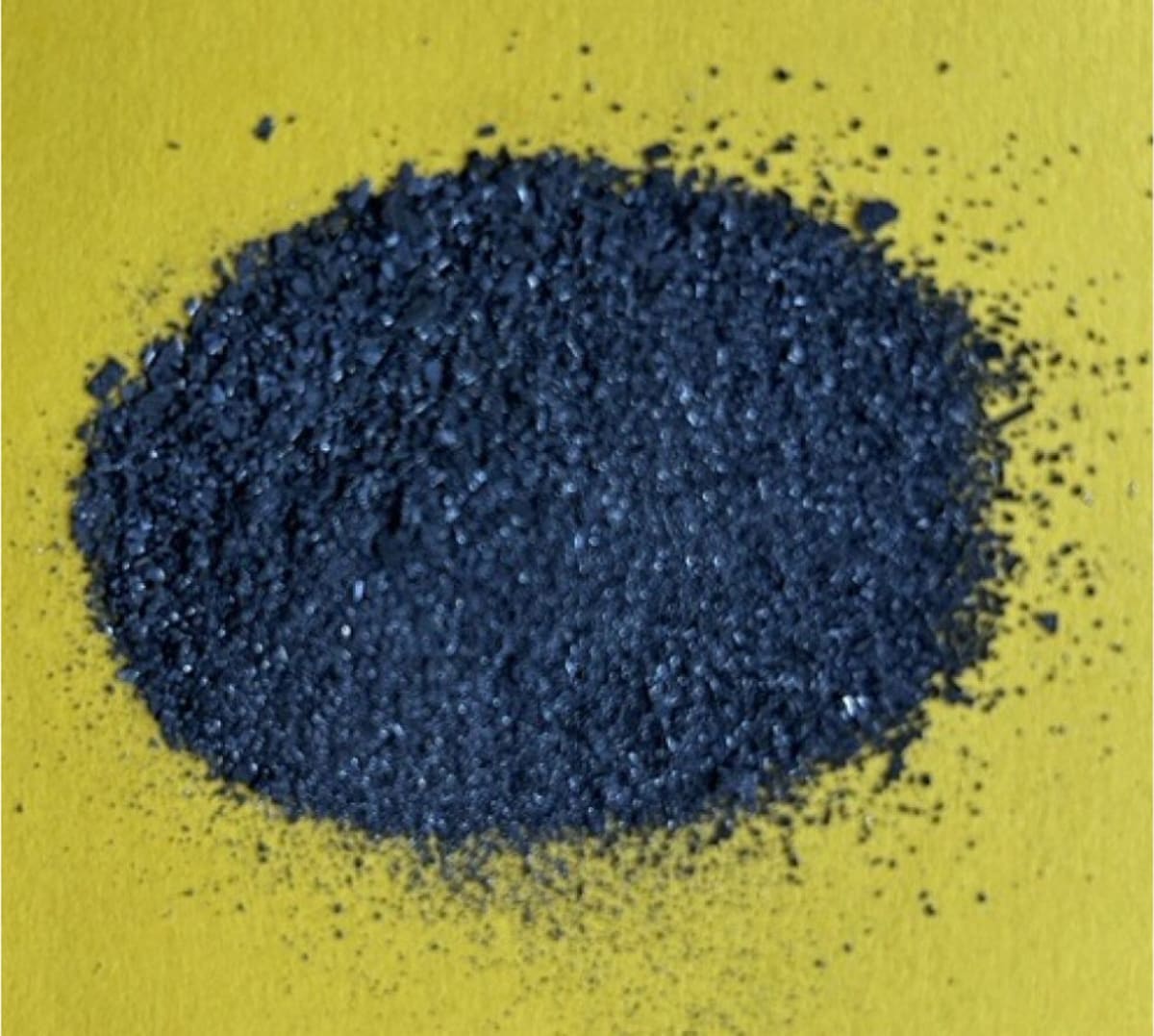
The silicon-rich fragments undergo chemical treatment to extract the silver, which gets converted into small spherical particles. This silver matches the quality of freshly mined material.
Scientists from Norway's SINTEF research foundation and Germany's LuxChemtech developed the pilot-scale system as part of the Quasar Horizon Europe project. The European initiative focuses specifically on creating circular solutions for solar panel waste.
The Ripple Effect
This recycling advancement arrives at exactly the right moment. The International Renewable Energy Agency estimates that solar panel waste could reach 78 million metric tons by 2050 without better recycling solutions.
Each recovered kilogram of silver saves the environmental damage of mining new ore. Silver recovery alone makes the economics attractive, since panels contain about 20 grams of silver each and silver trades at roughly $24 per ounce.
The technique also addresses criticism that renewable energy simply trades one environmental problem for another. Now solar panels can truly become circular, with their materials feeding back into new panels or electronics.
The researchers acknowledge that silicon still needs additional refining steps to remove residual impurities before it reaches semiconductor grade. But the pathway exists, and each material stream has identified end uses.
The pilot facility proved the concept works at scale beyond laboratory conditions. The next phase involves demonstrating commercial viability and processing speed.
The recycling breakthrough means the solar panels fighting climate change today won't become tomorrow's landfill problem.
More Images


Based on reporting by PV Magazine
This story was written by BrightWire based on verified news reports.
Spread the positivity!
Share this good news with someone who needs it


