Solar Tech Firm Brings Cleaner Power to Data Centers
A California company that revolutionized solar energy just created breakthrough technology that could slash energy waste in AI data centers. The innovation could help data centers run cleaner while giving more space back to computing power.
The same company that helped millions of homes go solar just found a way to make power-hungry AI data centers way more efficient.
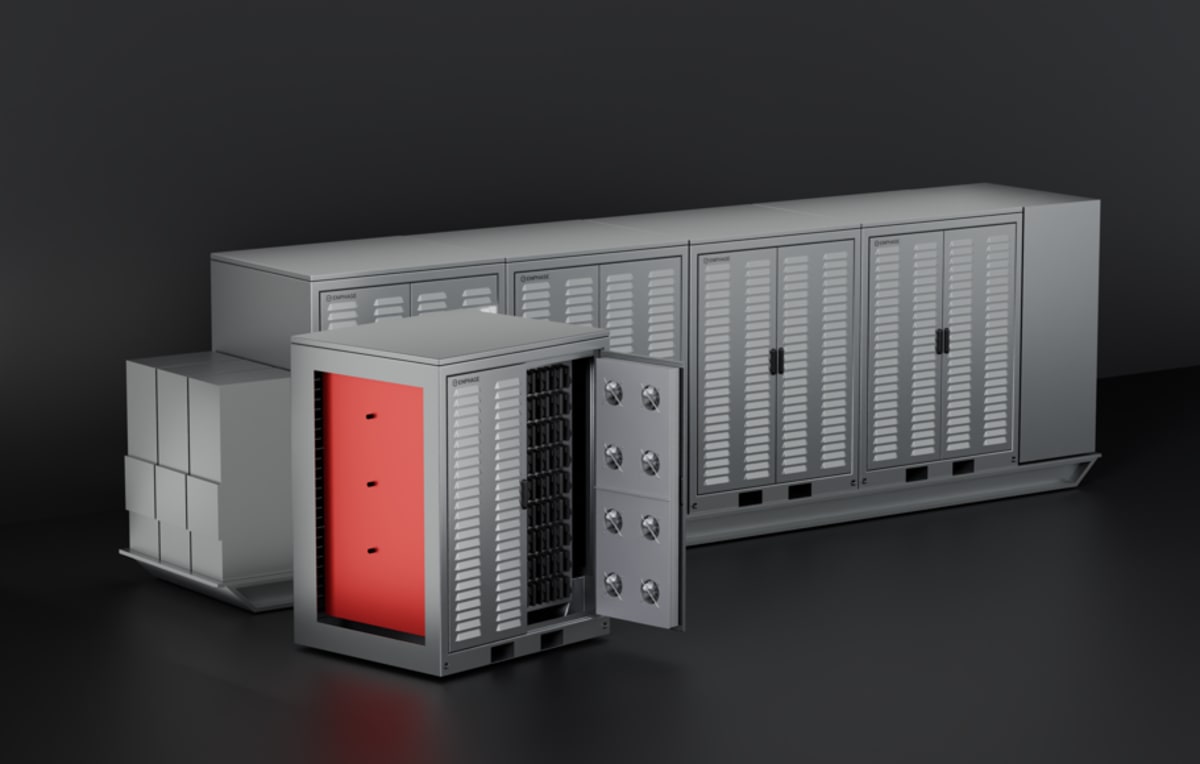
Enphase Energy announced a new solid-state transformer that converts electricity for data centers using 342 tiny power modules instead of one giant converter. The distributed system hits 98.5% efficiency and maintains near-perfect uptime even when AI workloads cause wild power swings that stress electrical grids.
Data centers powering AI face a growing problem. As GPUs get more advanced, they create unpredictable surges in electricity demand that waste energy and generate massive amounts of heat. The International Energy Agency warned these power swings will only get worse as AI hardware advances.
Enphase spent twenty years perfecting distributed power systems for rooftop solar panels. Now they're applying that same approach to data centers, converting medium-voltage AC power straight to regulated 800-volt DC in a single step. Traditional systems require chains of transformers and converters that waste space and energy.
The technology uses the same components from Enphase's ninth-generation solar microinverters, which the company has already manufactured by the millions. That means they can produce these new transformers at scale using existing American supply chains and automated manufacturing.
The Ripple Effect
The space savings could be game-changing for data center operators. Because the system runs without internal batteries, it eliminates bulky battery sidecars and backup power supplies that normally take up valuable floor space. Every square foot saved means more room for actual computing equipment.
Enphase joined the Open Compute Project Foundation in June to share the technology with nearly 700 organizations designing next-generation computing hardware. Senior director Andy Newbold says power architecture solutions shouldn't happen behind closed doors while the industry rapidly shifts to new standards.
The company expects demand in the United States to exceed 11 gigawatts by 2031. Beyond data centers, the same technology could eventually support utility-scale solar installations, battery storage, and high-power electric vehicle charging stations.
Full system demonstrations are scheduled for later this year, with customer pilots beginning in 2027 and volume production expected by late 2027 or early 2028.
Two decades of solar innovation just opened a pathway to greener AI.
More Images


Based on reporting by PV Magazine
This story was written by BrightWire based on verified news reports.
Spread the positivity!
Share this good news with someone who needs it