Delhi Man Grows 400 Plants Using Only Trash on Rooftop
A 550-square-foot terrace in Delhi has become home to over 400 thriving plants, all grown in repurposed waste containers and fed by composted kitchen scraps. Abhay Bharadwaj proves you don't need money or space to create an urban oasis.
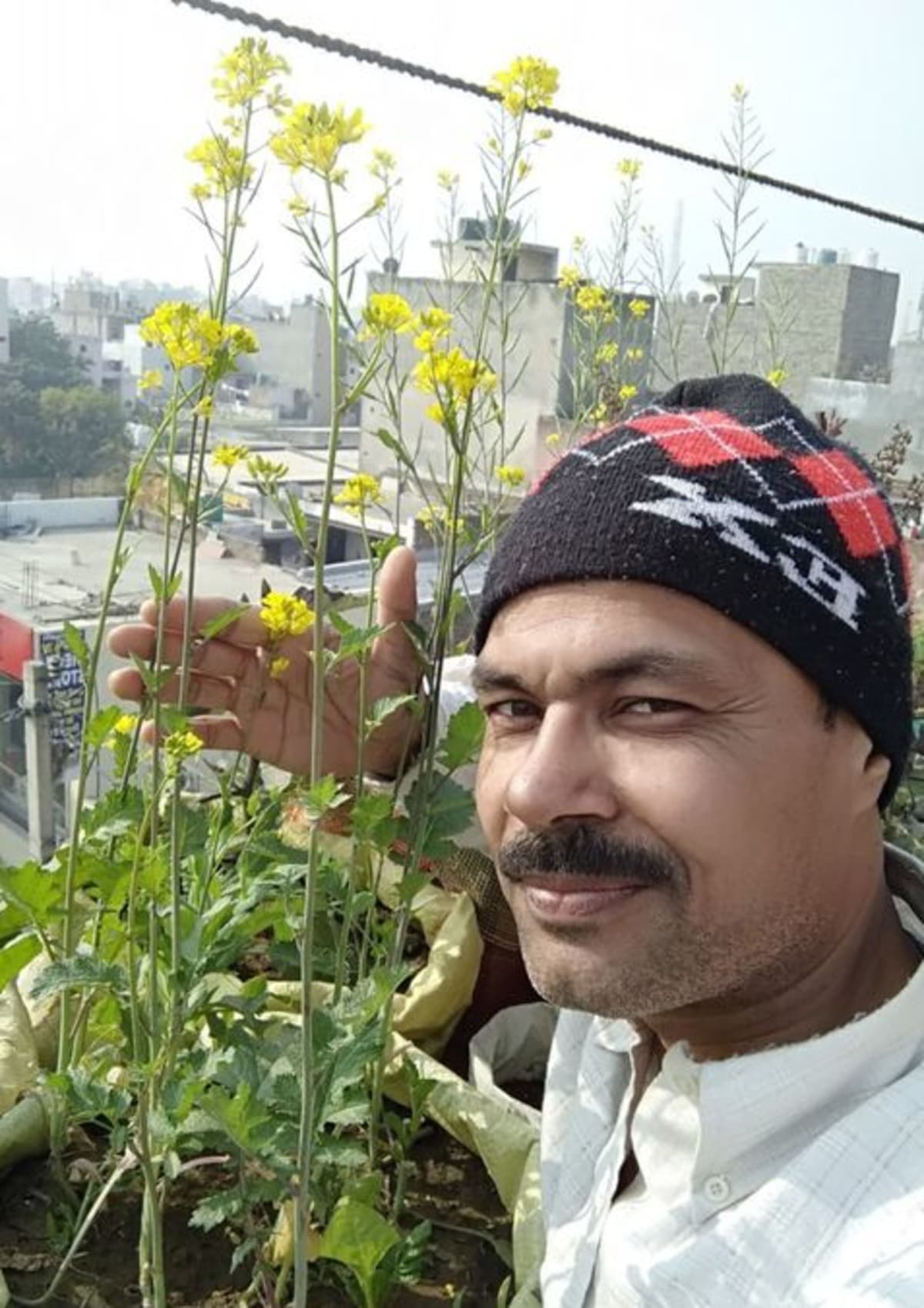
In New Delhi's Mohan Garden neighborhood, broken buckets have found new life as planters, cement bags cradle spinach seedlings, and a 15-foot neem tree grows tall from an old sewage pipe.
Abhay Bharadwaj started small in 2015 with just three tulsi pots on his modest rooftop. His curiosity led him to a permaculture course at the Art of Living International Center in Bengaluru, where he discovered how waste could become wealth.
The transformation happened gradually. Bharadwaj began collecting discarded items that others threw away: thermocol boxes, old pipes, cracked containers. Each piece of trash became a potential home for new life.
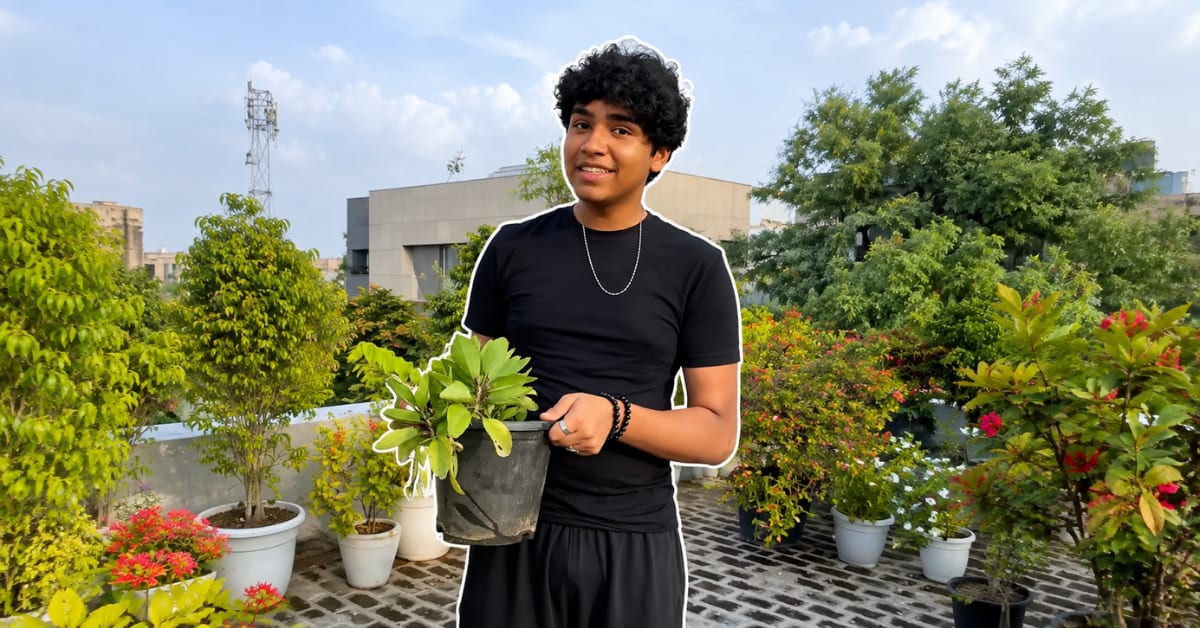
Today, his 550-square-foot terrace hosts over 400 plants. Methi and turmeric share space with gourds and brinjal. Leafy greens flourish where most people see only concrete and sky.
But the real magic happens in his composting system. Kitchen scraps join temple flowers and paper waste in a carefully managed cycle. Sugarcane bagasse and fruit peels break down together, transforming into rich, living soil within 60 days.
Nothing leaves this garden as waste. Everything that enters gets repurposed, reused, or regenerated. The ecosystem sustains itself through thoughtful design and patience.
The Ripple Effect
Bharadwaj's terrace garden challenges the assumption that urban dwellers need large plots or big budgets to grow food. His approach shows apartment residents and city dwellers everywhere that sustainability starts with creativity, not capital.
The garden also tackles multiple environmental problems at once. It diverts organic waste from landfills, reduces the family's grocery bills, and creates green space in a dense urban area. Each tomato grown and each container saved represents a small victory over throwaway culture.
His success proves that permaculture principles work even in the most unlikely spaces. The same techniques sustaining his rooftop could transform balconies, small yards, and community spaces across crowded cities.
One man's experiment with three holy basil plants has bloomed into a blueprint for urban self-sufficiency.
Based on reporting by The Better India
This story was written by BrightWire based on verified news reports.
Spread the positivity!
Share this good news with someone who needs it