Delhi Startup's Weaving Method Resists Machine Copying
A new handloom technique makes patterns machines can't replicate, protecting India's 3.5 million weavers from cheap imitations. The innovation puts skilled hands back at the center of pricing.
When powerloom factories copy handwoven designs and sell them cheaper, weavers lose their livelihoods. A Delhi startup just launched a technique that machines physically cannot imitate.
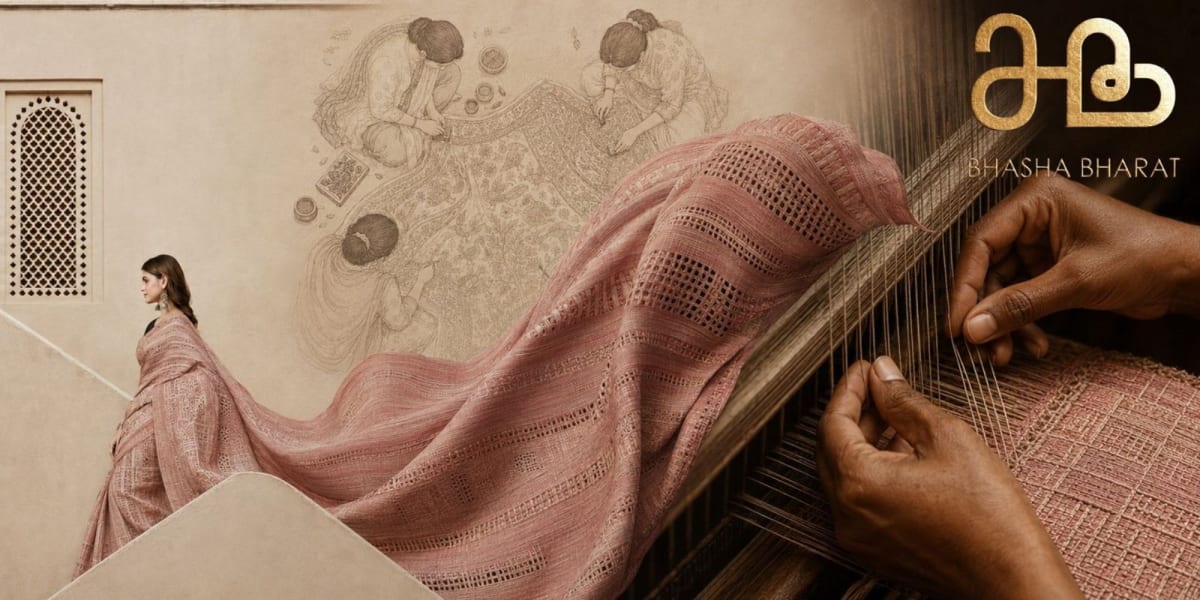
BhashaBharat released its first product using Warp Manipulation Technique this week, a weaving method that creates patterns through structural changes in the fabric itself. Instead of applying designs onto finished cloth, weavers shift the lengthwise threads during the weaving process to create raised, recessed, or open areas that play with light and shadow.
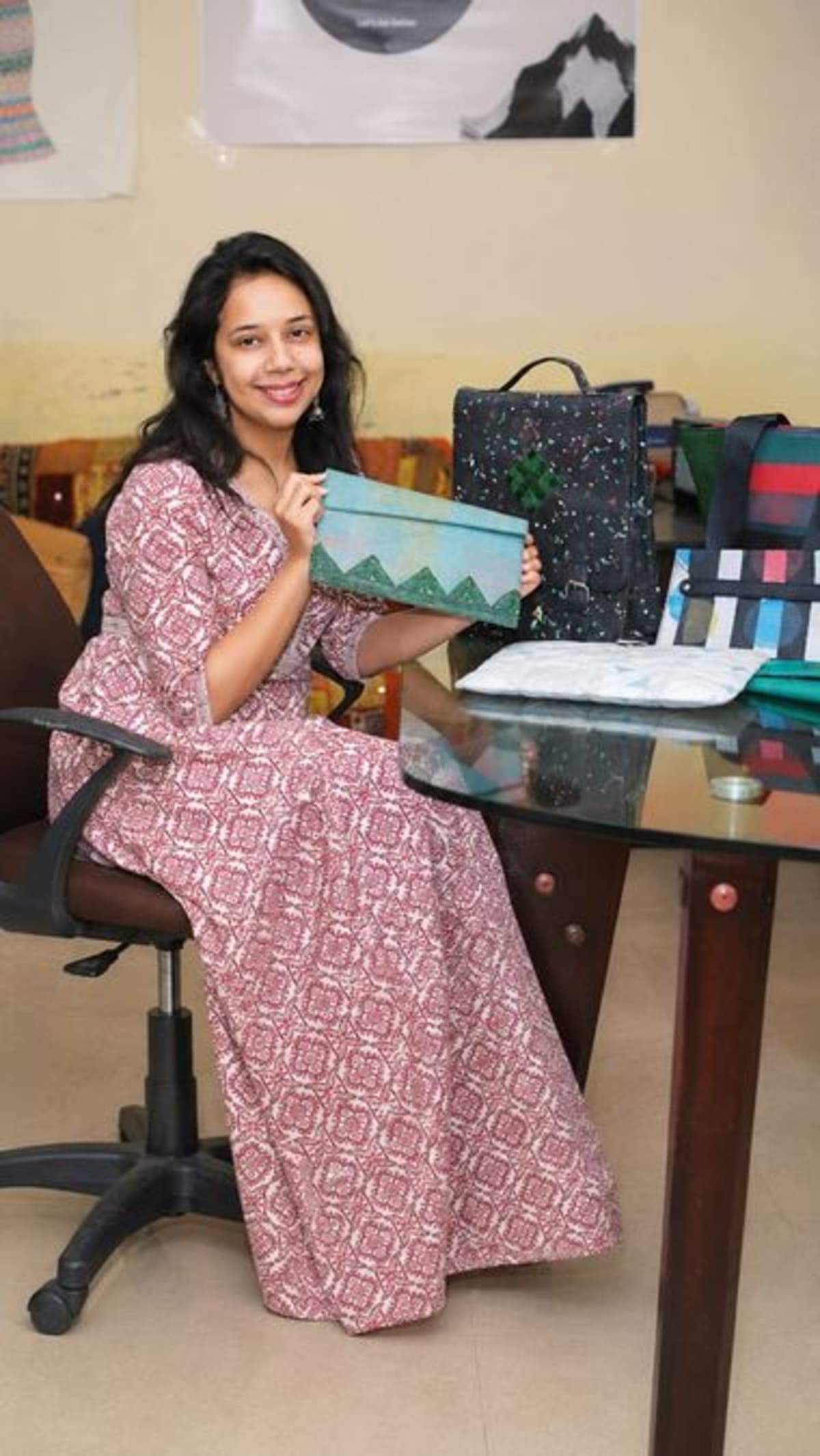
The innovation started as a graduation project by NIFT student Sneha during her internship at BhashaBharat, founded in September 2023 by Shashank Kumar Pandey. The Weavers' Service Centre in Meerut, which operates under India's Ministry of Textiles, provided technical guidance to refine the method.
Because each shift in the warp threads requires human judgment at the loom, no two pieces come out identical. The variation that factories reject as defective becomes the product's unique signature.
The timing matters for a struggling sector. India's 2019-20 Handloom Census counted 3.5 million handloom workers, 72% of them women, producing 15% of the country's cloth. They've watched powerlooms steal their visual designs while undercutting their prices for years.
The Ripple Effect
A weaving method that resists mechanical copying shifts value back to the weaver's skill rather than just the pattern. When machines can't replicate the work, weavers can defend their prices.
The real test isn't whether one company uses this technique. It's whether weaving clusters across India adopt it and train their communities. A patented advantage for a single brand helps that business. A teachable method shared across cooperatives transforms thousands of incomes.
Deputy Director Tapan Sharma from the Weavers' Service Centre selected the technique as a leading innovation at the Handloom Hackathon. The Ministry of Textiles is planning another hackathon for 2026 at IIT Delhi with prizes totaling 400,000 rupees to encourage similar breakthroughs.
BhashaBharat sources directly from weavers instead of through trading middlemen, tackling another industry problem: buyers who assume authentic handloom can't be purchased online. The company operates under Startup India recognition and works with NIFT's incubation program.
The first buyers will receive their orders this week, just before National Handloom Day on August 7. How quickly other designers adopt the method will show whether this becomes an industry shift or just one company's edge.
More Images


Based on reporting by YourStory India
This story was written by BrightWire based on verified news reports.
Spread the positivity!
Share this good news with someone who needs it