Delhi's Cooling Zones Serve 800 Daily During Heat Waves
Delhi's government has set up 15 air-conditioned cooling zones across the city, offering free relief from scorching heat to commuters, drivers, and workers. With temperatures dropping 12-13 degrees inside, these zones are becoming lifesaving sanctuaries for those with nowhere else to escape the brutal summer.
When temperatures soar past 100 degrees in Delhi, bus drivers, auto rickshaw operators, and commuters now have a place to catch their breath.
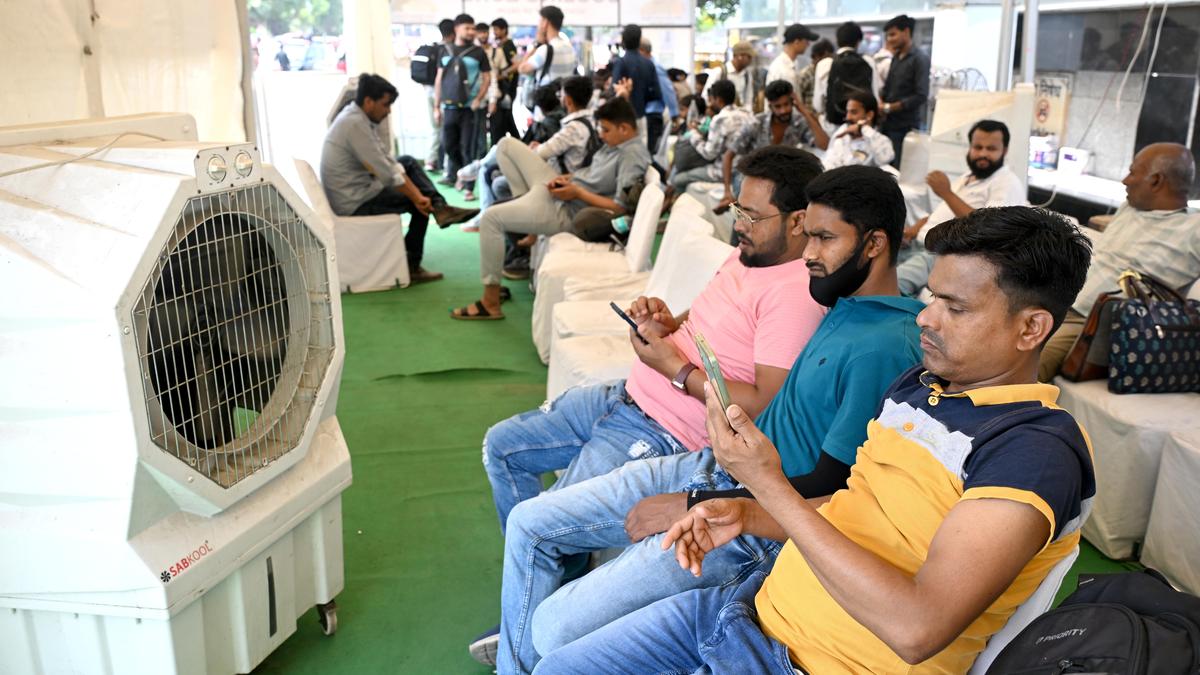
The Delhi government has opened 15 cooling zones across the city, each equipped with giant coolers, mist sprayers, and chilled drinking water. Inside, the temperature drops by 12 to 13 degrees, transforming scorching afternoons into bearable moments of relief.
About 700 to 800 people visit these zones daily, seeking refuge from the unforgiving heat. The largest facility near GTB Nagar metro station operates around the clock with six high-powered coolers, standing fans, and 100 cushioned chairs.
For bus driver Ravi Singh and his conductor Nar Singh, the cooling zone near Karampura has become essential to their daily route. "There are no restrooms, resting areas, or even a place to sit on any of our three routes except this cooling zone," Ravi explained.
Autorickshaw driver Kapil Singh calls the GTB Nagar location a sanctuary. "We no longer have to sit in our boiling autos or carry multiple water bottles," the 30-year-old said.
The zones provide more than just cool air. Government tankers deliver continuous drinking water, while mobile medical units distribute oral rehydration salts to heat-stressed visitors. Some locations also hand out caps and towels to protect people from direct sunlight.
Two volunteers staff each zone during the day, helping visitors and maintaining order. Near Jama Masjid metro station, foot traffic reaches 1,000 people daily, making it one of the busiest locations.
The facilities sit near bus stands, metro stations, and hospitals, targeting areas where people wait exposed to the sun. The simple white tents with khus screens on windows have become recognizable symbols of relief across the city.
The Ripple Effect
These cooling zones represent a simple but powerful solution to an urgent problem. As climate change pushes temperatures higher, Delhi is showing other cities how small interventions can protect vulnerable workers and commuters.
The zones particularly help people whose jobs keep them outdoors with no access to air conditioning. Bus drivers, rickshaw pullers, street vendors, and daily wage workers finally have a safe place to recover from heat exposure.
Some visitors suggest improvements like separate spaces for women and children, but the overwhelming response has been gratitude. What started as 15 temporary structures has become a network of urban oases that may save lives during the hottest months.
Delhi's cooling zones prove that caring for citizens doesn't always require massive infrastructure projects, just recognition of their needs and creative solutions to meet them.
Based on reporting by The Hindu
This story was written by BrightWire based on verified news reports.
Spread the positivity!
Share this good news with someone who needs it