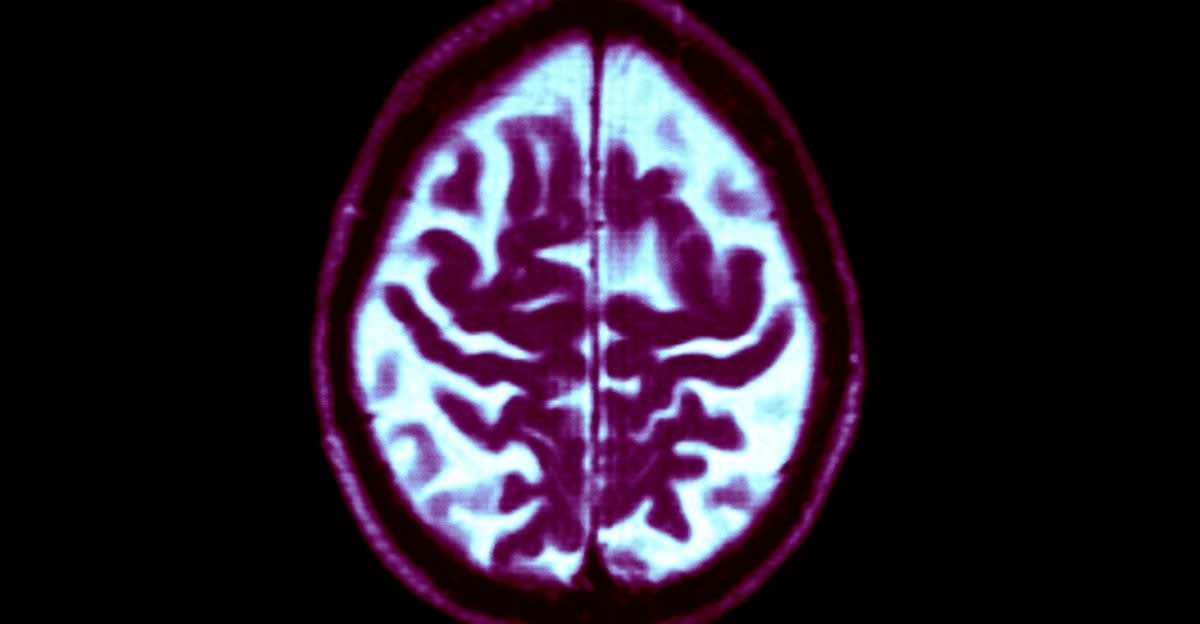
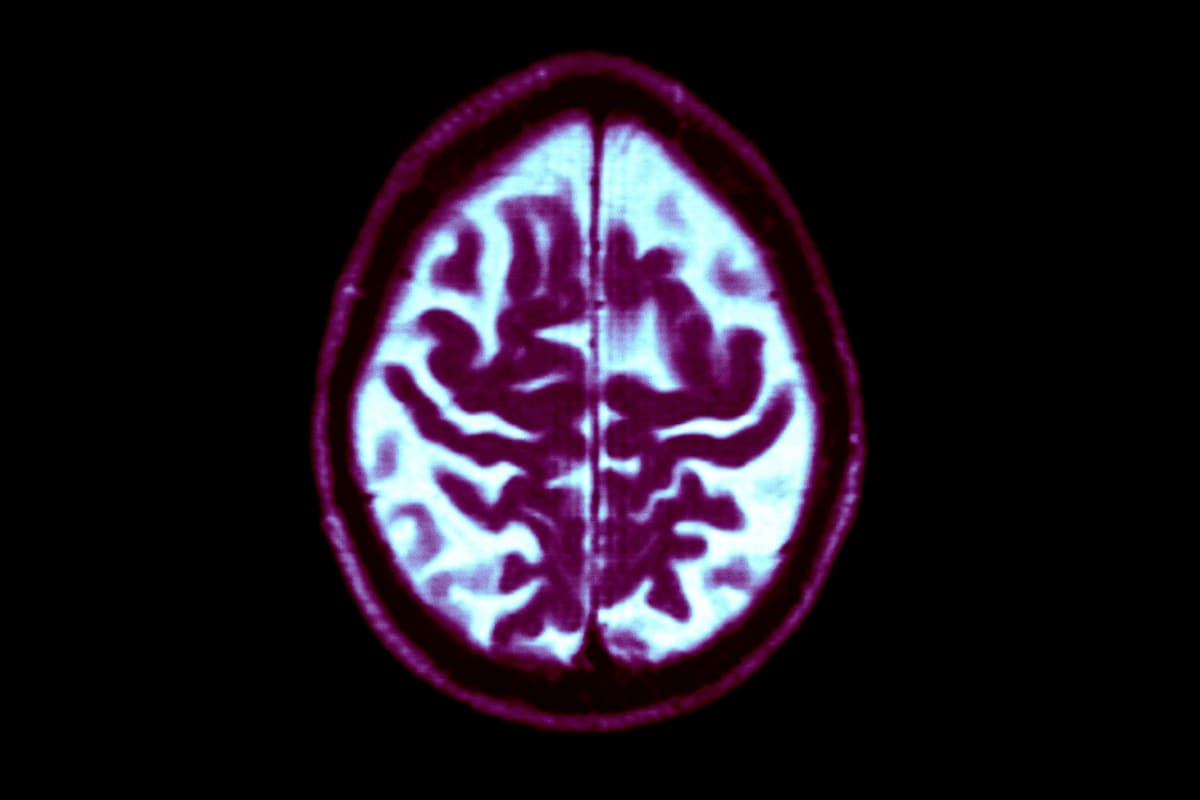
Dementia Risk Drops 13% Per Decade Since 1988
An 80-year-old today is significantly less likely to develop dementia than someone the same age was a generation ago. New research reveals that up to 45% of dementia cases could be prevented through simple lifestyle changes we can control right now. #
Your chances of getting dementia at any given age have been quietly falling for decades, and scientists are finally understanding why.
Across wealthy countries, age-specific dementia rates have dropped roughly 13% per decade since the late 1980s. That means an 80-year-old today faces meaningfully lower odds of developing cognitive decline than their parents did at the same age.
Even better news: most of this decline comes from things we can actually control. Better blood pressure management, lower cholesterol, reduced smoking rates, and more years of education have all played major roles in protecting our brains as we age.
A comprehensive 2024 Lancet commission found that up to 45% of dementia could be prevented or delayed by addressing 14 modifiable risk factors. The highest-impact window for prevention isn't in our golden years but in midlife, when our daily choices compound into long-term brain health.
The science confirms what doctors have suspected for years: your brain lives downstream of your heart. When we take care of our cardiovascular system, our cognitive health benefits too.
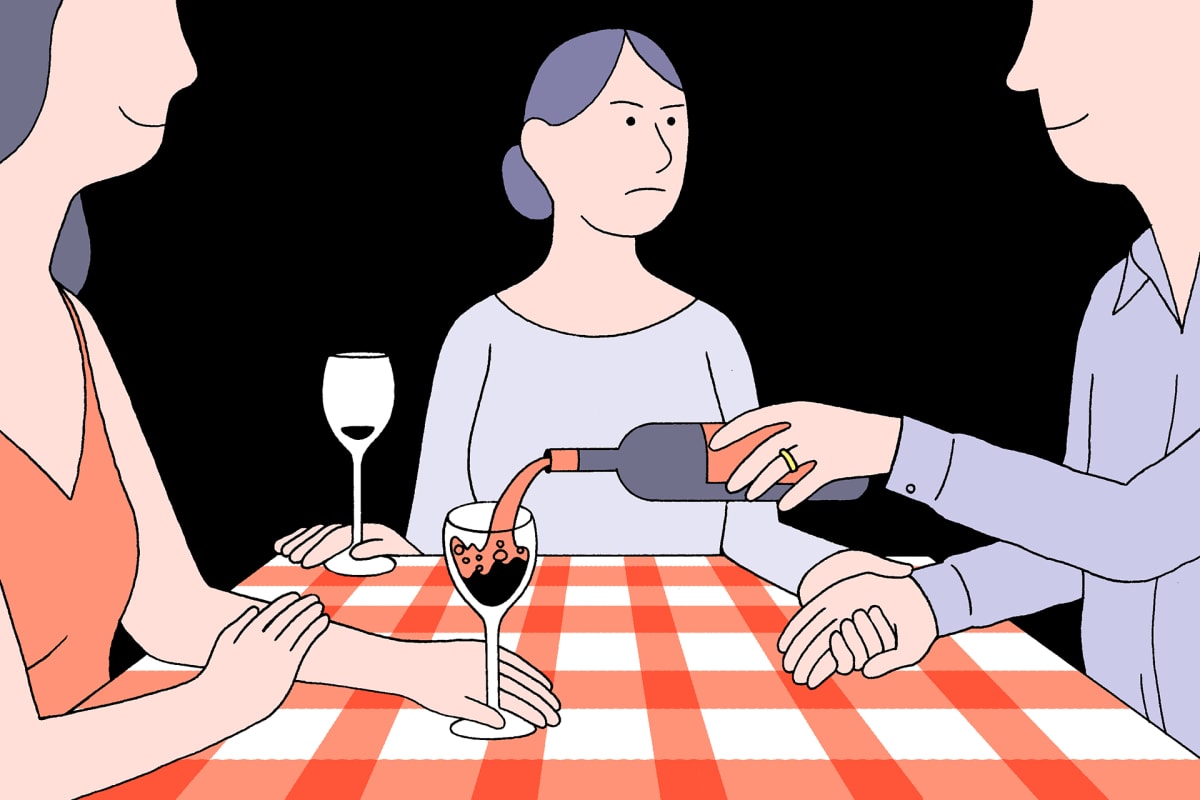
The anti-dementia prescription is surprisingly straightforward. Treat your blood pressure and LDL cholesterol, quit smoking, stay physically active, and get your hearing and vision checked regularly. Keep learning new things, limit alcohol consumption, and maintain social connections.
While dementia cases will continue to climb overall as populations age (the US expects a million new cases annually by 2060), individual risk keeps dropping. The gap between total cases and personal risk matters tremendously for how we think about aging.
Why This Inspires
This research flips the script on one of our deepest fears about aging. For decades, dementia felt like a dark lottery we entered simply by living long enough.
Now we know that's not the whole story. The steady decline in age-specific dementia rates proves that collective choices matter, from public health campaigns reducing smoking to better cardiovascular care becoming standard practice.
Even more powerful: the highest-leverage changes happen in midlife, not old age. That means people in their 40s, 50s, and 60s have real agency over their cognitive futures, not just hope and worry.
The research offers something rare in modern health news: concrete actions with measurable impact. Every blood pressure reading, every walk around the block, every year of continued learning becomes an investment in a sharper, longer-lasting mind.
We're learning that helplessness against dementia was partly a self-fulfilling prophecy born from incomplete knowledge, and knowledge is exactly what sets us free.
#
More Images


Based on reporting by Google News - Health
This story was written by BrightWire based on verified news reports.
Spread the positivity!
Share this good news with someone who needs it