Denmark Grows Seaweed Between Wind Turbines at Sea
Danish scientists have perfected a way to grow sustainable food between offshore wind turbines, requiring no farmland, fertilizer, or fresh water. The technology works beautifully, but food supply chains aren't ready to handle the harvest yet.
Scientists in Denmark just figured out how to turn wind farms into floating gardens that grow high-quality food without using a single drop of fresh water or an inch of farmland.
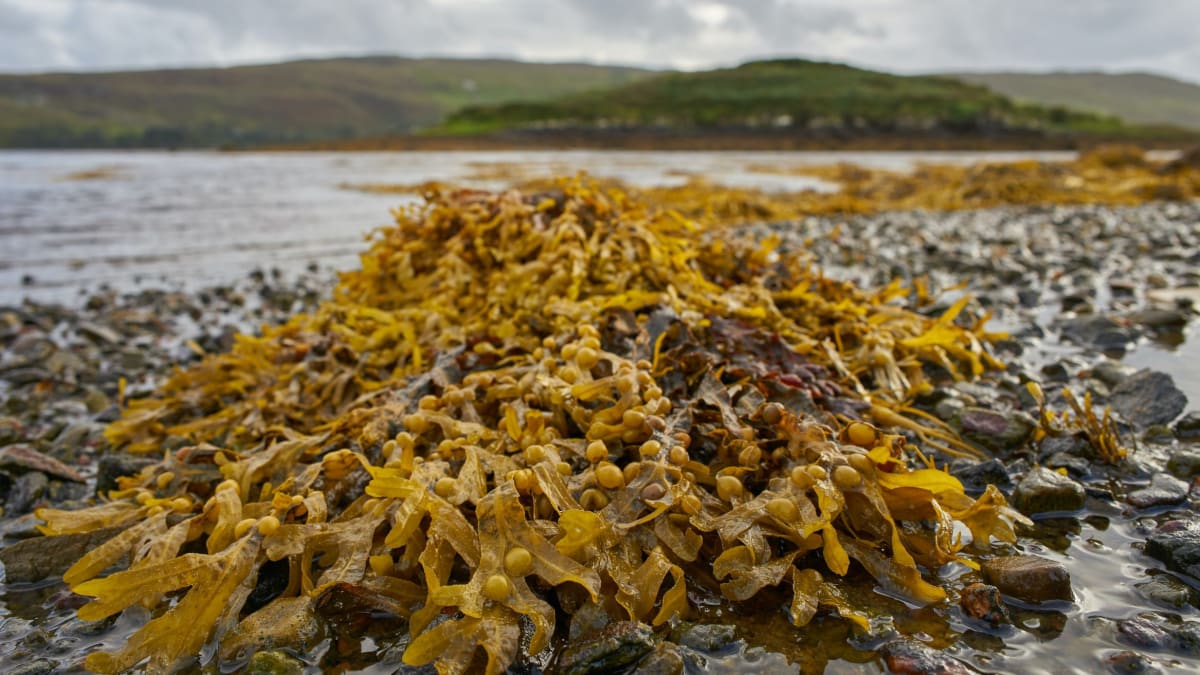
Researchers at Aarhus University have spent 15 years perfecting methods to grow sugar kelp between offshore wind turbines in the North Sea. The results show that these ocean environments might be among the best places on Earth to cultivate seaweed at industrial scale.
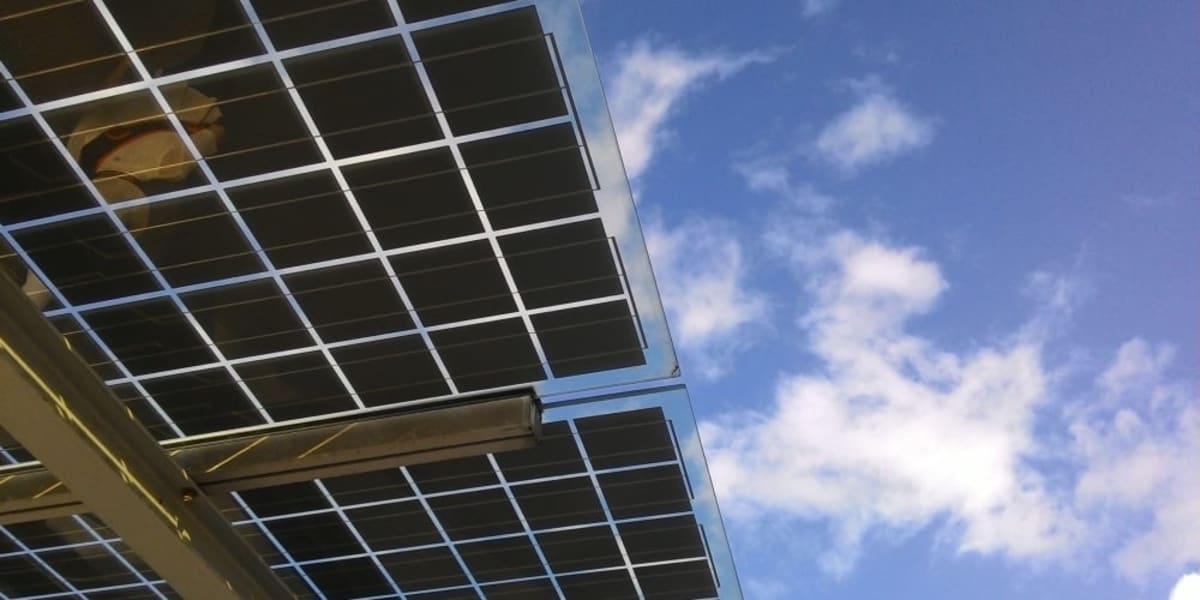
The concept is elegantly simple. Wind farms already occupy designated ocean space and have built infrastructure like service vessels and operational systems. Instead of leaving the water between turbines empty, researchers thread seaweed cultivation lines through the arrays, sharing all that existing infrastructure.
"We are not taking up new marine areas," said Annette Bruhn, Senior Researcher at the Department of Ecoscience at Aarhus University. "We are using areas that have already been designated for another purpose."
The offshore environment turns out to be surprisingly ideal for seaweed farming. High water exchange keeps nutrients flowing, conditions stay relatively stable, and the kelp absorbs excess nutrients from surrounding waters while it grows. Field trials consistently show excellent yields and quality.
"We are seeing high yields, excellent quality and higher nutrient removal than we originally expected," Bruhn said. "The North Sea appears to be one of the most promising cultivation environments we have worked in."
The harvest requires no fertilizer, no pesticides, and no fresh water. It competes for no agricultural land. The food and renewable energy literally come from the same patch of ocean.
The Ripple Effect
This breakthrough arrives as coastal nations worldwide expand offshore wind capacity to meet climate goals. Denmark's model shows these installations could serve double duty, producing both clean energy and sustainable protein. The approach offers a template for countries looking to increase food security without converting more land to agriculture.
The technology is proven and ready. What's missing is the commercial infrastructure to process, distribute, and market ocean-grown kelp at the scale these farms could produce. Building those supply chains represents the next frontier, but the foundation is solid.
Denmark just showed the world that the ocean between our wind turbines has been waiting to feed us all along.
Based on reporting by Google News - Wind Energy
This story was written by BrightWire based on verified news reports.
Spread the positivity!
Share this good news with someone who needs it