Denmark Hit 140% Wind Power, Exported the Surplus
Denmark's wind turbines generated 40% more electricity than the entire country needed, proving renewable energy can power nations and share the wealth. The excess energy flowed to neighboring countries, turning clean power into an export success.
Denmark just proved that wind power isn't just a dream for the future. It's working right now.
On a particularly windy day, the small Scandinavian nation generated 140% of its electricity needs from wind turbines alone. That means every home, business, and streetlight ran on clean energy, with 40% left over.
So what happened to all that extra power? Denmark didn't let it go to waste.
The country sent its surplus electricity through undersea cables to Germany, Norway, and Sweden. Those neighbors got clean energy instead of firing up fossil fuel plants, and Denmark earned revenue from the sale.
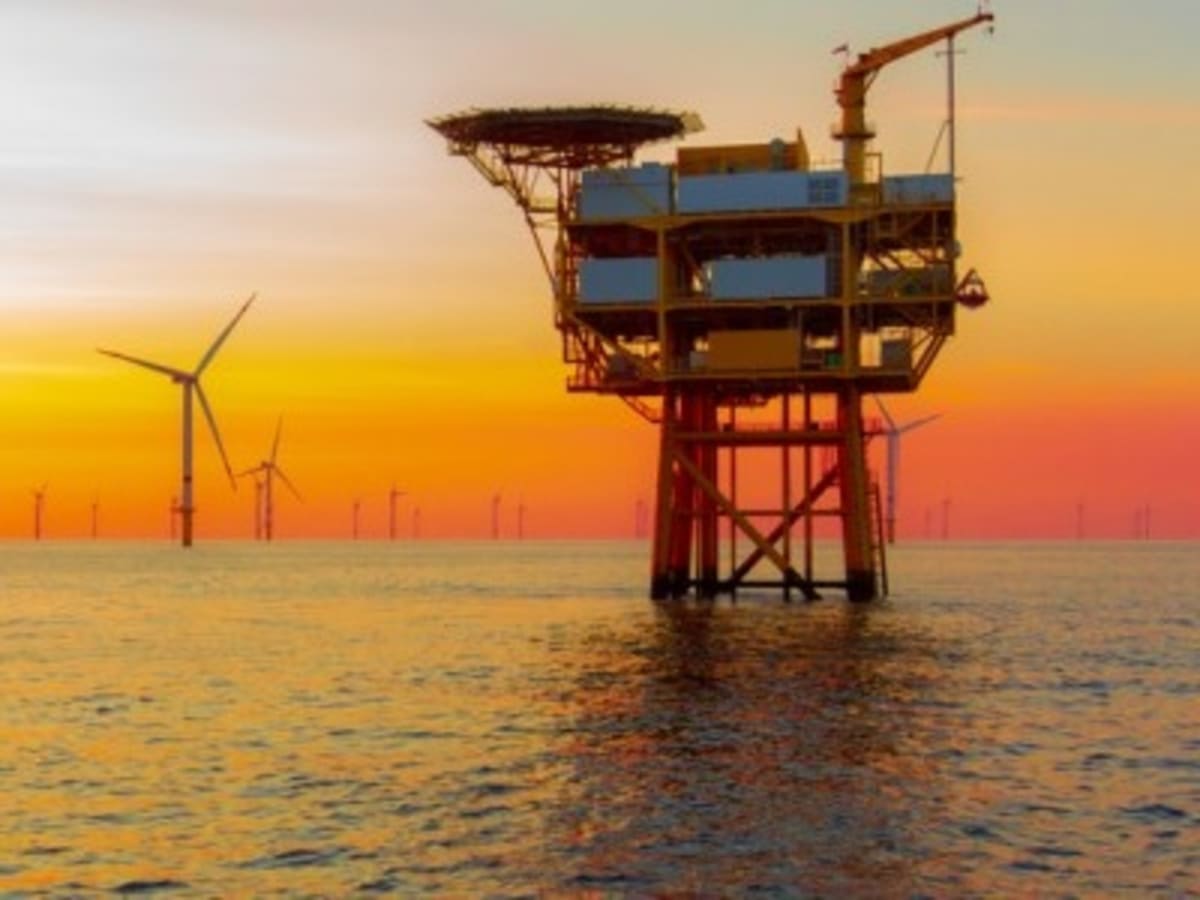
This wasn't a fluke or a one-time experiment. Denmark has been steadily building its wind capacity for decades, both on land and offshore in the North Sea.
The country now gets roughly half of its annual electricity from wind power. On the windiest days, that number soars well above 100%.
The Ripple Effect
Denmark's success shows other nations what's possible when they commit to renewable energy infrastructure. The country invested heavily in wind technology starting in the 1970s, creating thousands of jobs and becoming a global leader in turbine manufacturing.
Now those investments are paying dividends beyond borders. When Denmark exports excess wind power, it helps neighboring countries reduce their carbon emissions too.
The shared grid system across Northern Europe means clean energy can flow where it's needed most. On calm days, Denmark imports hydropower from Norway. On windy days, it returns the favor with wind energy.
This kind of energy cooperation turns renewables from an intermittent challenge into a reliable solution. Countries balance each other out, sharing resources across borders.
Denmark aims to be completely independent of fossil fuels by 2050. Based on days like this one, where wind alone powered everything and more, that goal looks increasingly within reach.
The small nation of fewer than 6 million people is proving that clean energy can meet real-world demand at scale.
More Images

Based on reporting by Google News - Wind Energy
This story was written by BrightWire based on verified news reports.
Spread the positivity!
Share this good news with someone who needs it