Denmark Installs Red Streetlights to Save Urban Bats
A Danish city replaced standard streetlights with red LEDs to protect local bat colonies while keeping roads safe for drivers. The simple switch lets nocturnal animals and humans share the same space without conflict.
A neighborhood just outside Copenhagen glowed red this month, and it's helping an entire ecosystem thrive in the dark.
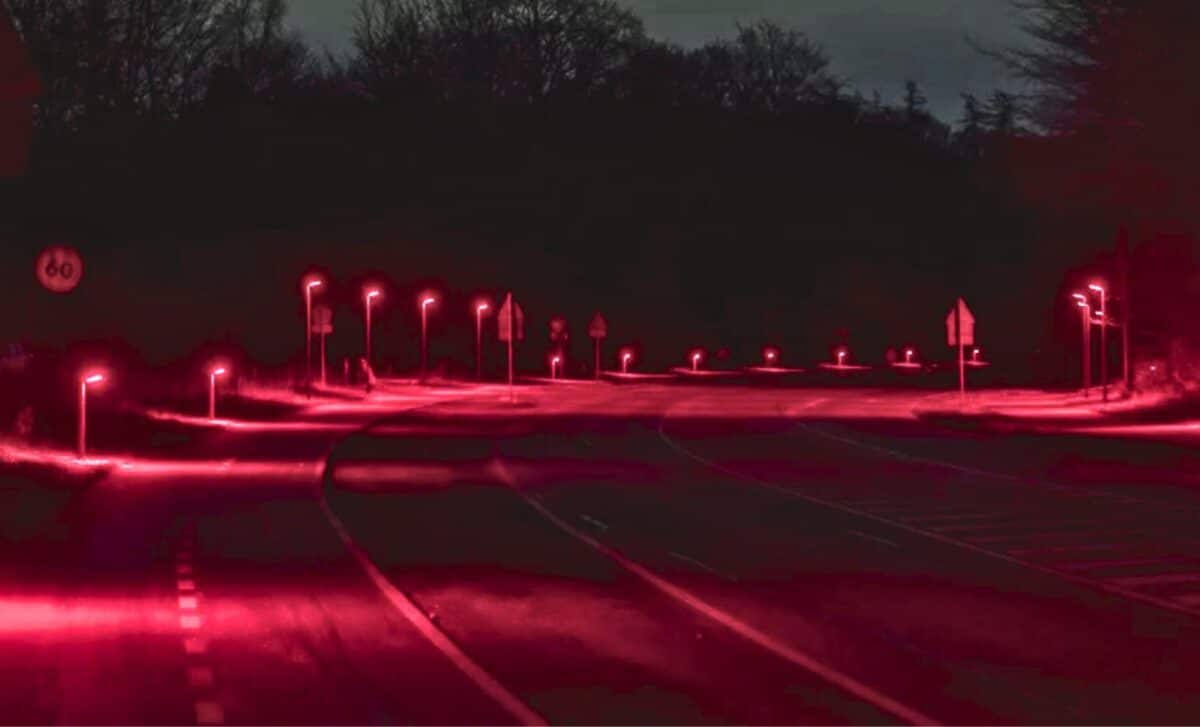
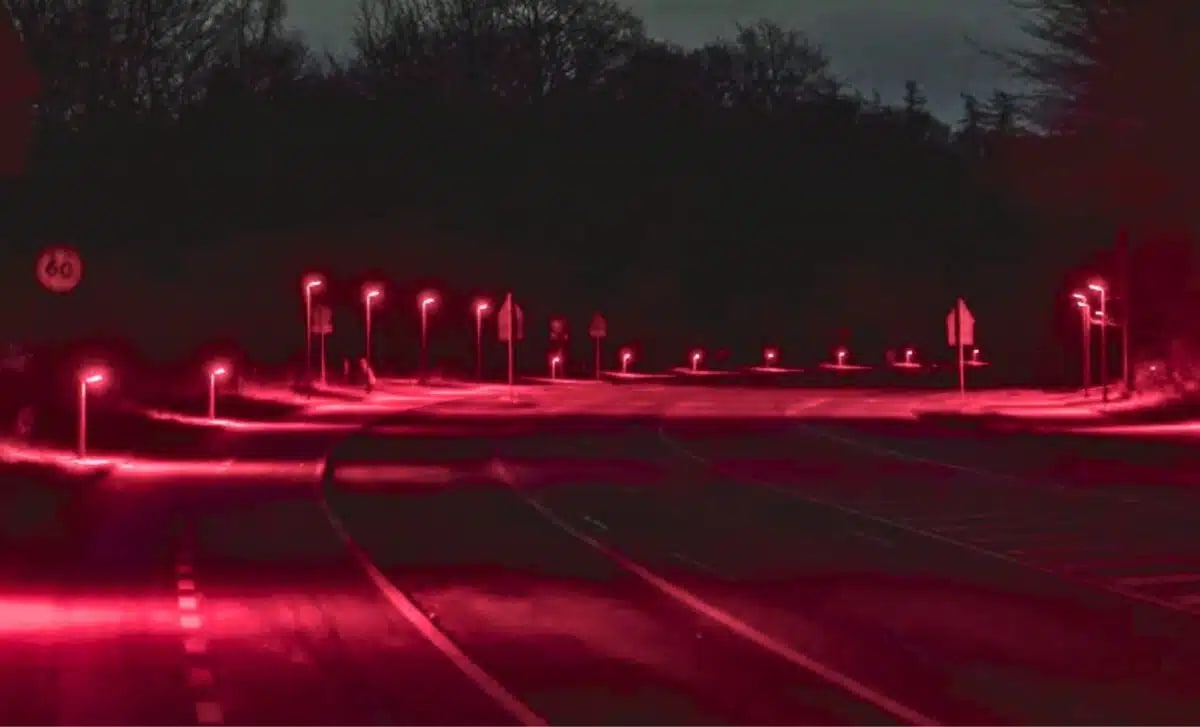
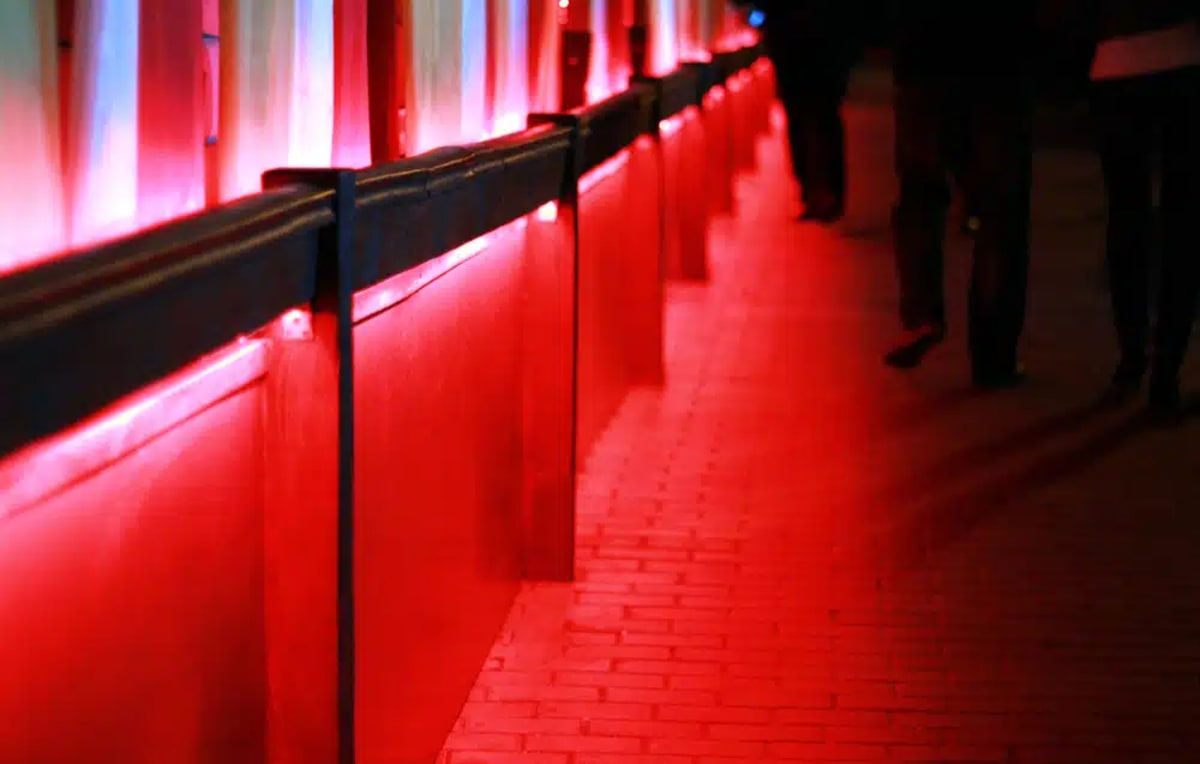
Drivers in Gladsaxe, Denmark noticed something unusual on February 8th when Frederiksborgvej suddenly transformed from typical blue-white streetlights to deep crimson. The dramatic color shift wasn't art or decoration. It was a carefully designed solution to save the city's bat population.
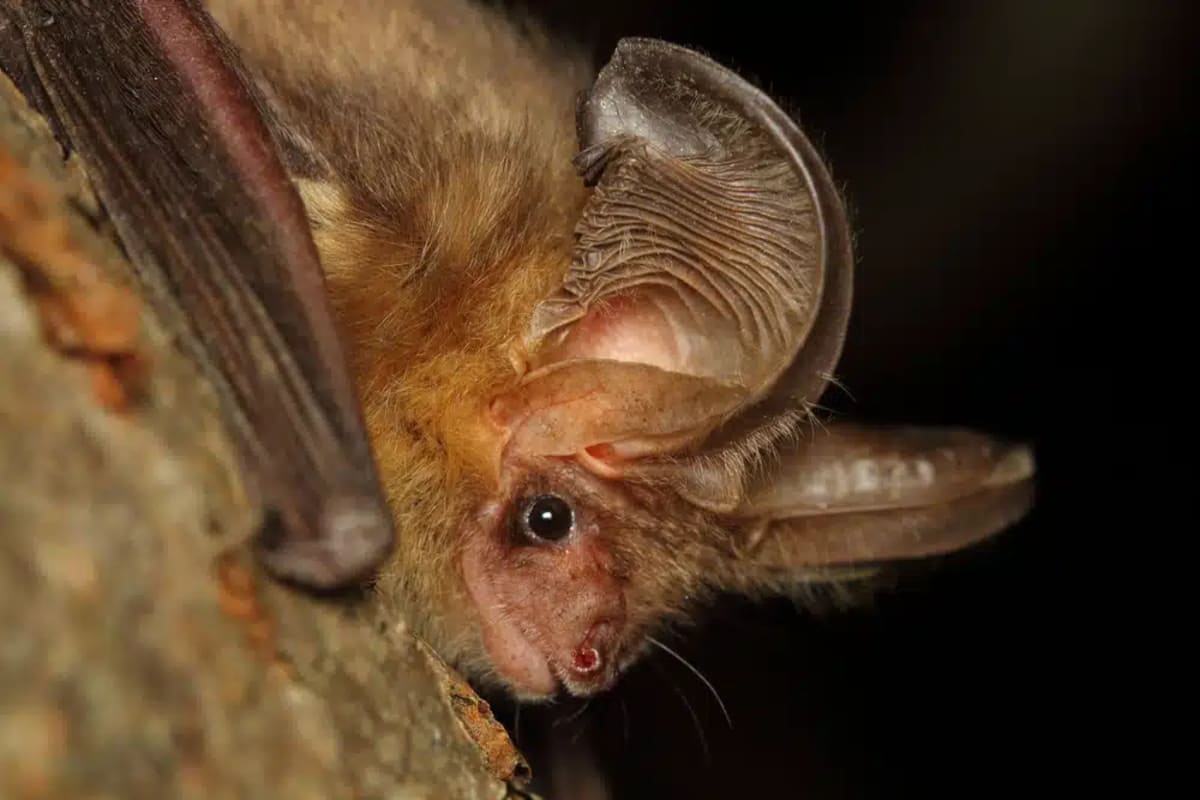
The red LED lights replaced standard white fixtures along a road next to a known bat colony. Local species like the common pipistrelle and brown long-eared bat use this area as a corridor between their homes and feeding grounds. Traditional white light creates invisible barriers that bats refuse to cross, essentially trapping them in smaller and smaller habitats as cities expand.
Here's the clever part: bats can't see red light the way humans can. While drivers adjust quickly and see the road clearly, the bats experience something close to darkness. They fly freely across the street, hunt for insects, and navigate exactly as they would in natural conditions.
Philip Jelvard, a lighting designer on the project, explained that the red glow serves both a functional and symbolic purpose. "The red light should make passersby aware that this is a special natural area that we want to protect," he said.
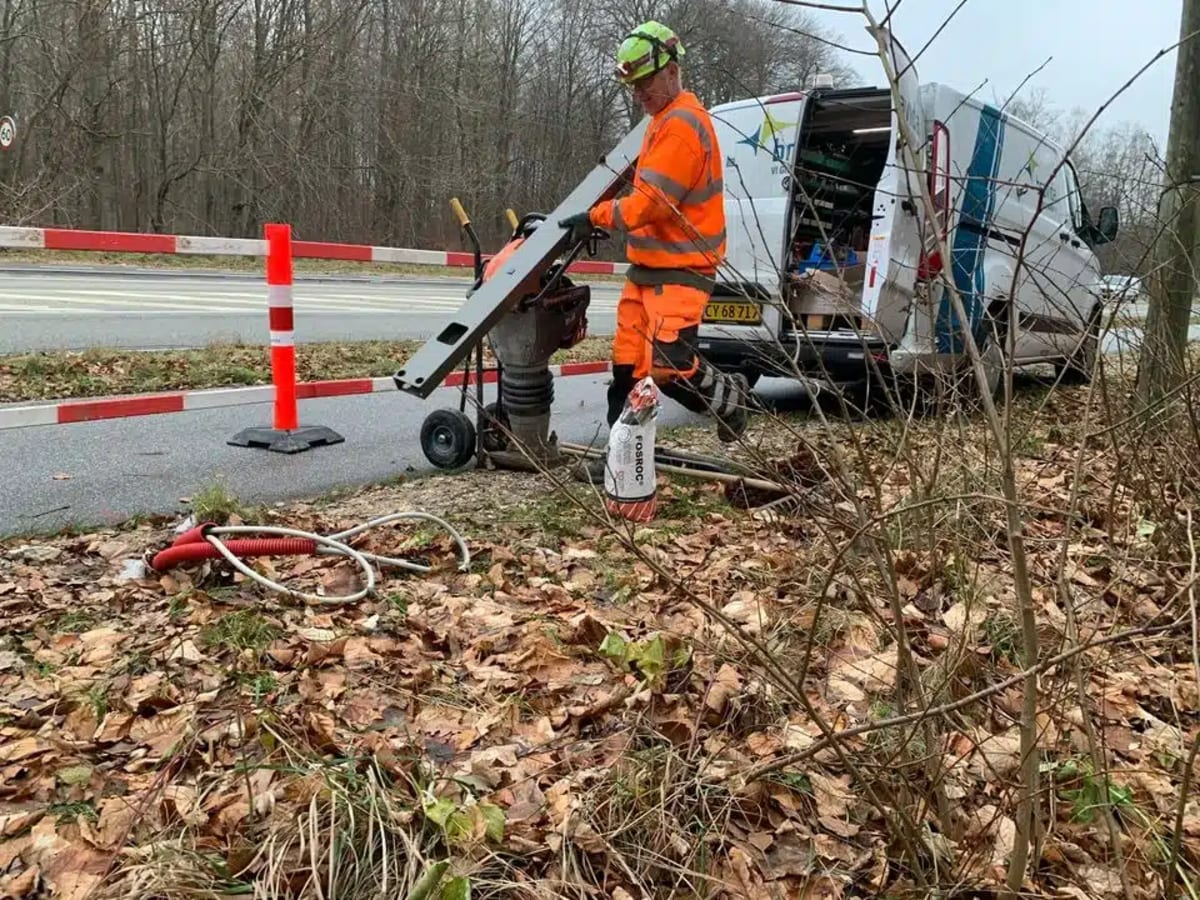
The Danish Road Directorate guided the technical details, ensuring the lights met safety standards for traffic while addressing the biological needs of wildlife. The placement wasn't random. Engineers identified where suburban development meets dense vegetation and where bat activity was highest.
The Ripple Effect
This single street in Gladsaxe connects to something much bigger. The project is part of Lighting Metropolis – Green Mobility, an EU-funded program testing sustainable lighting across Denmark and Sweden. Cities participating in the program share data on energy use, wildlife responses, and public safety outcomes.
The results matter globally. More than half the world's population lives in cities today, and that number will reach 70 percent by 2050 according to UN projections. As urban areas expand, finding ways for human infrastructure and natural ecosystems to coexist becomes critical for both species survival and livable communities.
Red LED systems also consume less energy than traditional streetlights, supporting climate goals while protecting biodiversity. What started as a local conservation effort now provides a template other cities can adapt to their own wildlife challenges.
The crimson glow on Frederiksborgvej proves that small technical adjustments can create space for everyone.
More Images
Based on reporting by Google News - Science
This story was written by BrightWire based on verified news reports.
Spread the positivity!
Share this good news with someone who needs it