Malaysia Sanctuary Helps Owners Return Rescued Gibbons
When Esther realized the "monkey" she'd saved was actually a protected gibbon, she knew what to do. A Malaysian sanctuary is making it easier for well-meaning owners to give these endangered apes a second chance at life.
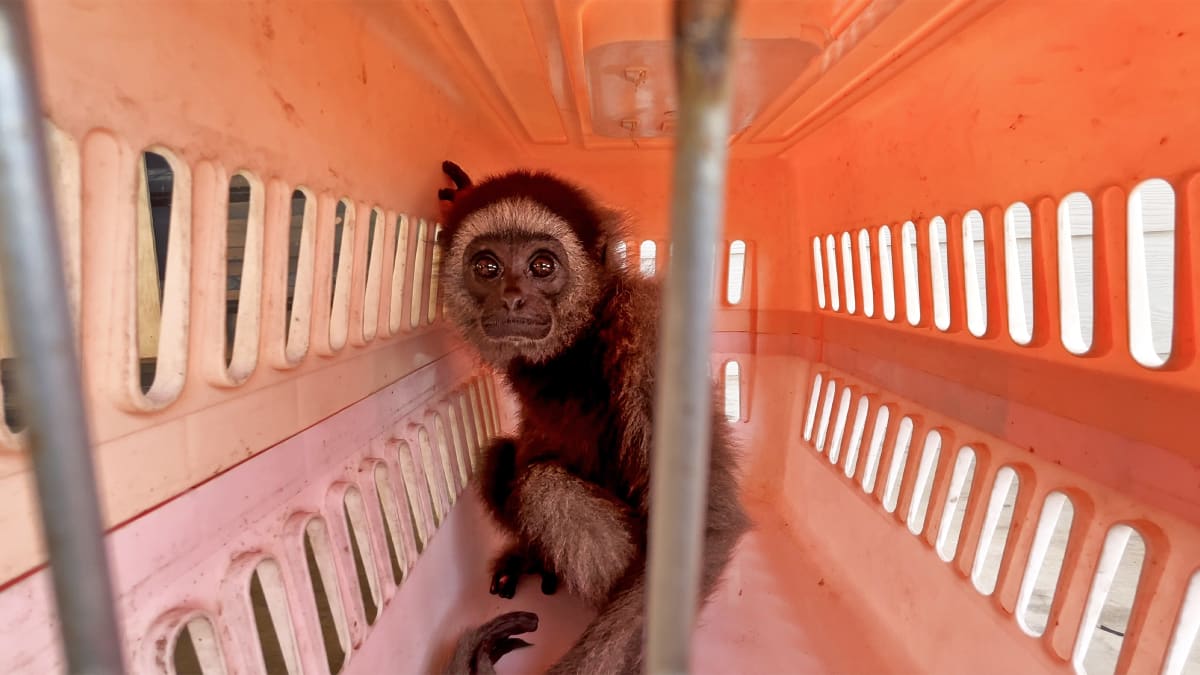
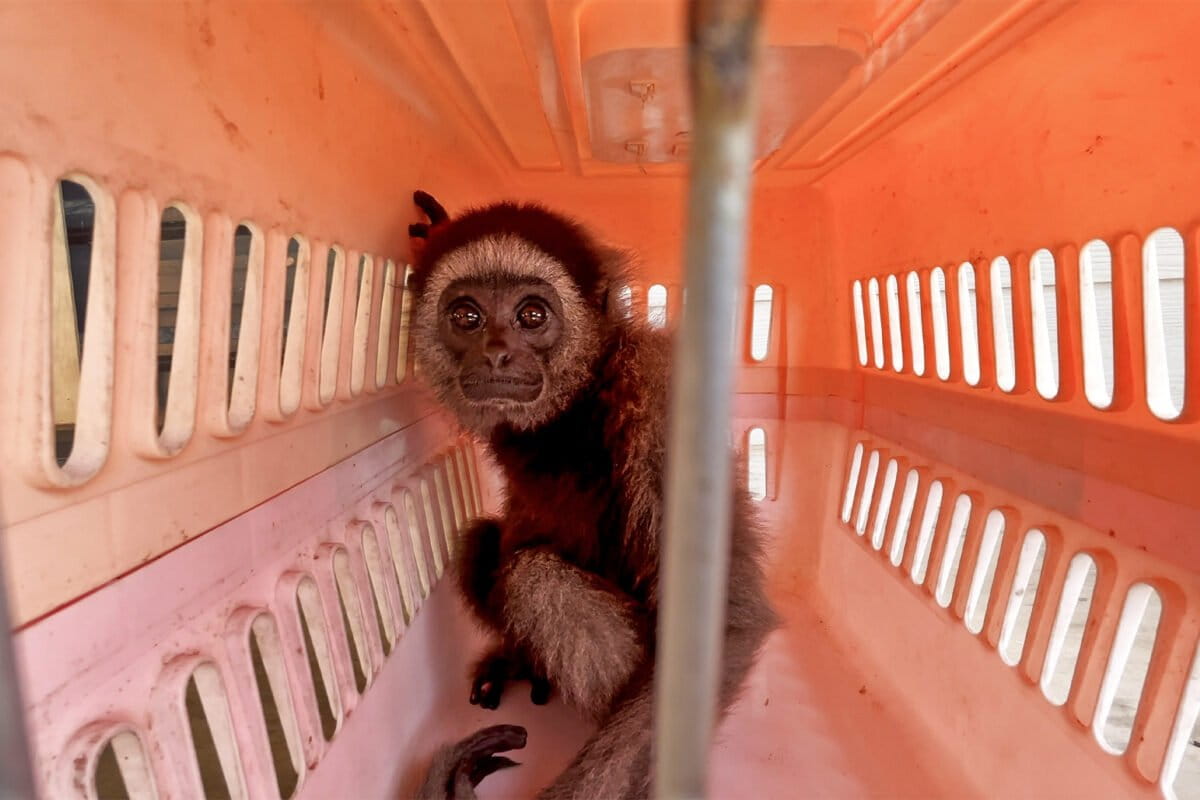
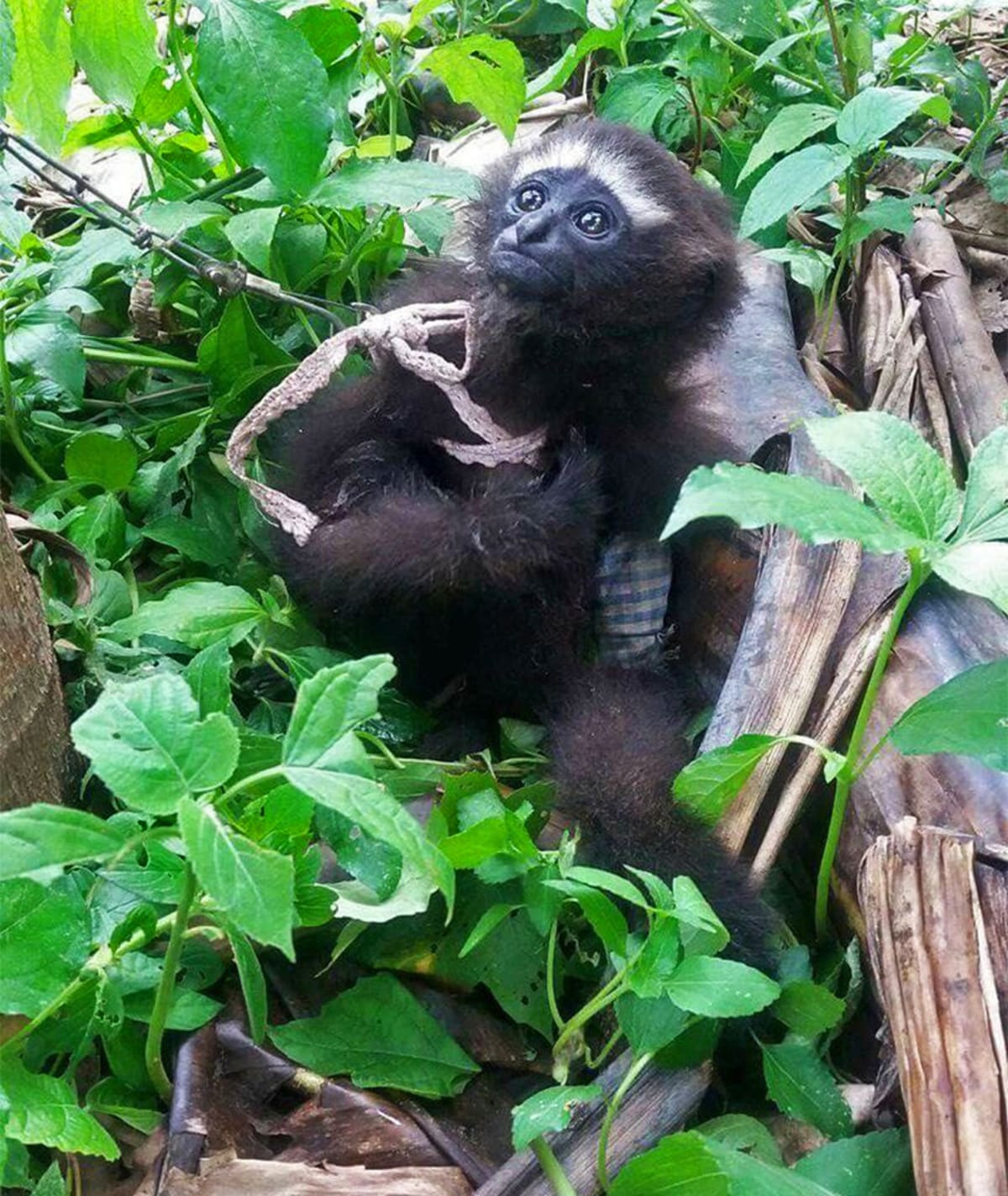
Esther thought she was saving a baby monkey from becoming bushmeat when a hunter came to her village in Malaysian Borneo. She named him Joy, delighted by his morning songs and playful nature with her family.
It was only later that a relative told her the truth. Joy wasn't a monkey at all but a gibbon, a small ape whose capture and ownership is illegal under Malaysian law.
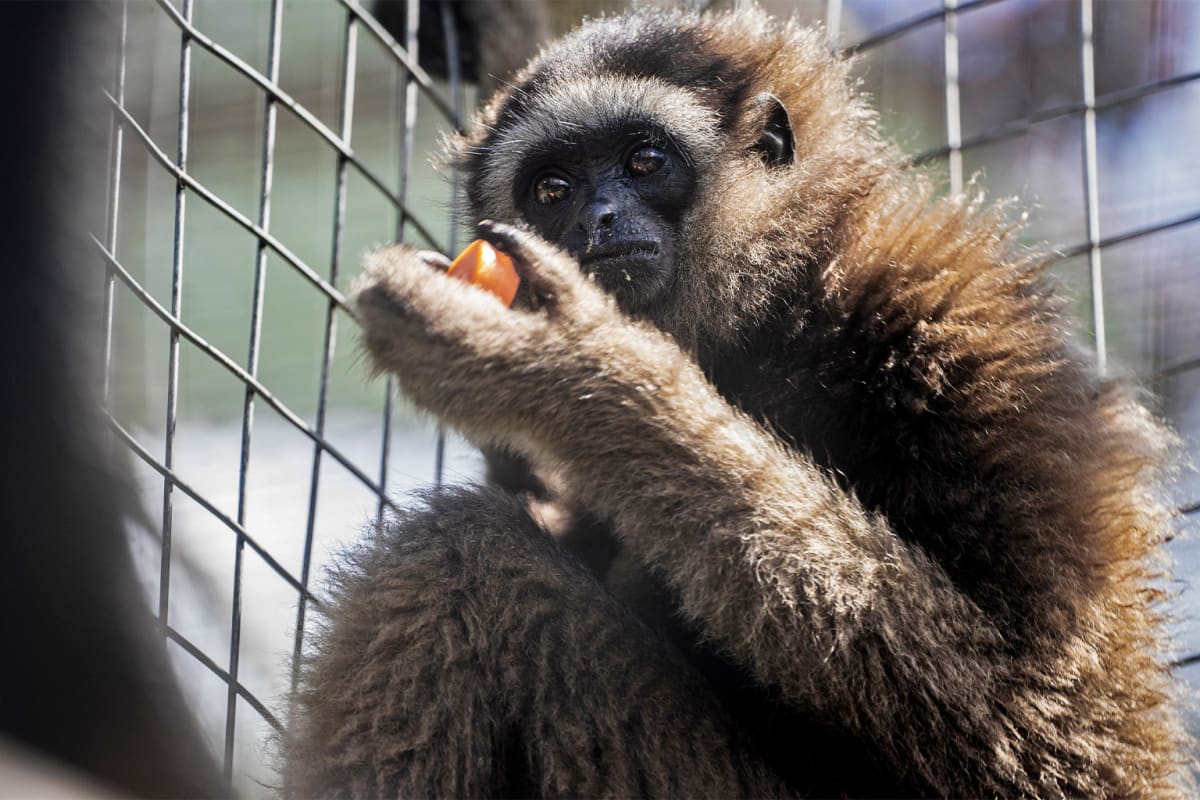
Once Esther learned Joy was protected and belonged in the wild, she decided to do the right thing. She brought him to the Gibbon Conservation Society's rehabilitation center in Sabah, where he could receive proper care.
Her story isn't unique. The sanctuary has rescued 40 gibbons in recent years, and most arrived through voluntary surrenders rather than confiscations.
"Most of them say they love animals, or they want their children to have an animal to play with," says Mariani Ramli, the conservation society's founder. Many owners simply didn't understand what they were taking on or that gibbons are endangered and protected by law.
The gibbons come from owners across all backgrounds, though higher-income households are more common. Most acquired their animals through informal networks or online platforms, unaware of the harm the exotic pet trade causes to wild populations.
The Ripple Effect
The willingness of owners like Esther to surrender their gibbons voluntarily represents a crucial shift in conservation strategy. Each animal returned gives researchers insight into why people acquire gibbons in the first place, helping them tailor education programs to reduce demand.
Malaysia's experience shows that many gibbon owners aren't malicious traffickers but people who made uninformed choices. By creating safe pathways for surrender without harsh legal penalties, sanctuaries can rescue more animals while building public awareness.
The approach matters because gibbon trafficking hit record highs in 2025, with 336 individuals confiscated between January and August alone. That represents 20 percent of all recorded seizures since 2016, according to wildlife trade monitoring network TRAFFIC.
Because gibbons are highly social and will defend their young to the death, capturing a baby gibbon often means destroying an entire family group. Every animal safely surrendered represents not just one life saved but potentially many future families protected.
Understanding local motivations helps too. While Malaysian owners often cite love of animals, sanctuaries in India report gibbons are primarily sought as status symbols, requiring different educational approaches.
Joy now lives at the Sabah sanctuary, where he receives specialized care from people who understand gibbon needs. His story shows that change is possible when compassion meets the right information.
More Images
Based on reporting by Mongabay
This story was written by BrightWire based on verified news reports.
Spread the positivity!
Share this good news with someone who needs it