Denmark Makes Play a National Priority for Kids
While children worldwide scroll through screens, Denmark is doubling down on imagination with forest kindergartens, maker workshops, and iconic attractions like Lego House. The country is now restricting social media access for kids, proving play isn't just nostalgic—it's essential.
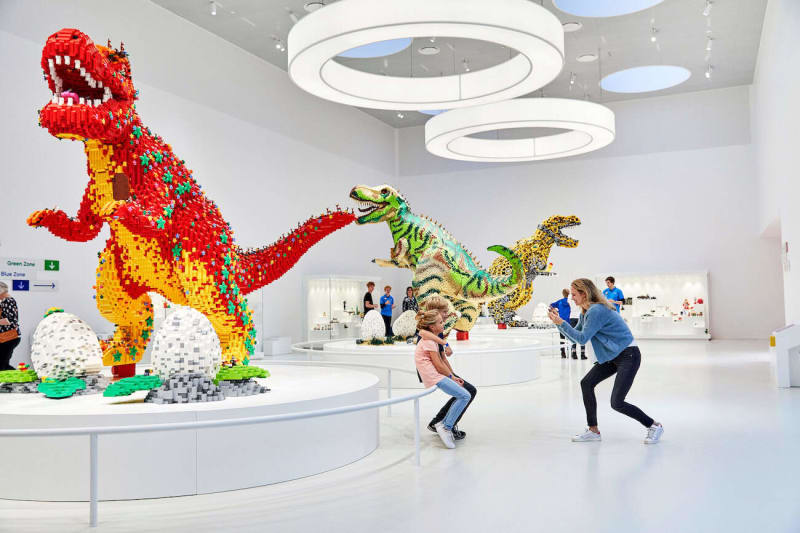
In Billund, Denmark, something remarkable happens when children walk into Lego House. They don't ask for tablets or phones—they dive straight into 25 million colorful bricks, building everything from electric vehicle charging stations to rainbow mansions.
This sprawling temple to creativity sits just steps from Legoland, where kids design vehicles, test them on ramps, and even order lunch using mini Lego models delivered by robots. The entire building looks like stacked blocks, with crisp white walls that make every creation pop with color.
But Lego House isn't just a clever tourist attraction. It represents something deeper in Danish culture: det gode leg, or "good play"—the idea that children learn best when they're free to explore, experiment, and make mistakes without screens directing their every move.
This philosophy runs through Denmark's DNA. Forest kindergartens let kids spend entire days climbing trees and building shelters, while degree-trained play specialists focus on nurturing curiosity rather than drilling academics. Maker-space libraries offer woodworking and welding workshops, and the national curriculum legally requires play and experimentation as the foundation of early learning.
The commitment goes beyond childhood, too. Denmark recently announced plans to restrict children's access to social media, making it clear that protecting imagination isn't just quaint nostalgia—it's national policy.
In Odense, this playful spirit comes alive again at Hans Christian Andersen's House, a museum that opened in 2021. Visitors can summon swans with arm waves, try on ornate kimonos in special mirrors, and wander through a garden of giants where everyone feels as tiny as Thumbelina.
The basement features Ville Vau, a make-believe land named after one of Andersen's song books. Like the author himself—who grew up poor but became world-famous through boundless imagination—the space turns creativity into something almost magical.
Professor Helle Marie Skovbjerg from Design School Kolding studies this national obsession with play. She insists genuine play must unfold freely on its own terms, not as preparation for future jobs or academic achievement—it's a "state of being" that opens children up to others and new possibilities.
Why This Inspires
Denmark proves that prioritizing play isn't impractical idealism. With workplace cultures that value hygge alongside productivity and a billion-dollar toy company built on curiosity, the country shows that imagination can coexist with success.
While screen time dominates childhoods elsewhere, Denmark offers a counter-model: what if we treated creativity as a national virtue worth protecting? In a world of constant notifications and digital distractions, watching a three-year-old completely absorbed in building with blocks feels almost radical.
Denmark isn't just inviting tourists to visit Lego House and fairy tale museums—it's inviting the world to remember that play isn't frivolous, it's fundamental.
Based on reporting by Positive News
This story was written by BrightWire based on verified news reports.
Spread the positivity!
Share this good news with someone who needs it