Denmark's Wetlands Fight Climate Change Without Flooding
Scientists discover that keeping wetlands slightly damp, not flooded, cuts greenhouse gases better than expected. This breakthrough could reshape how countries restore 140,000 hectares of climate-critical land.
Wetlands might save the planet without going underwater, according to groundbreaking research from the University of Copenhagen that challenges how we fight climate change.
For years, Denmark planned to flood 140,000 hectares of bogs and meadows to trap carbon dioxide in the soil. The logic seemed solid: more water means less decomposition and less CO2 escaping into the atmosphere.
But Professor Bo Elberling and his team discovered something remarkable. Flooding these areas creates perfect conditions for methane, a greenhouse gas up to 30 times more harmful than carbon dioxide.
The secret lies in tiny heroes living in the soil. Danish researchers have mapped 140,000 different microbial species in their soils, and some of these microscopic organisms act as natural methane converters.
These helpful microbes live in the upper soil layers where they transform dangerous methane into less harmful CO2. But they need oxygen to work their magic, and flooding cuts off their air supply completely.
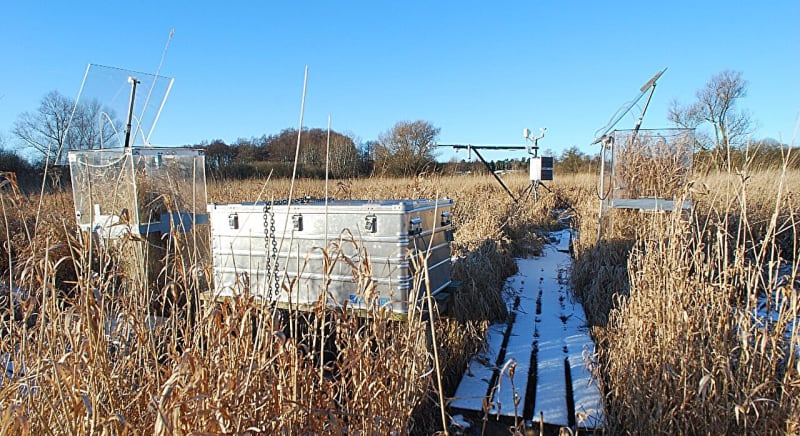
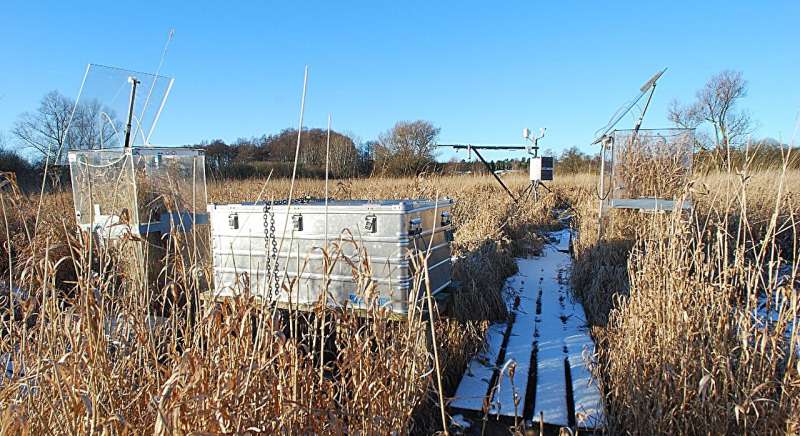
The research team spent years monitoring Maglemosen, a wetland 20 kilometers north of Copenhagen that's remained undisturbed for over a century. They measured emissions, water levels, plant life, and temperatures continuously, building a detailed picture from 2007 to 2023.
Their data revealed the sweet spot: keeping water levels about 10 centimeters below ground provides the best balance between methane and CO2 emissions. Different wetlands might need water levels between 5 and 20 centimeters below the surface, but the principle stays the same.
The Bright Side
This discovery means countries can protect wetlands more effectively while fighting climate change. Wetlands cover just 6% of land but hold 30% of Earth's terrestrial organic carbon, making them crucial climate allies.
The solution requires some engineering work to maintain stable water levels through dry summers and rainy autumns. Professor Elberling points to the Netherlands, world champions at managing water tables, as proof that it's possible.
Green energy makes the system even better. Solar-powered pumps could maintain optimal water levels without adding carbon emissions, turning wetland restoration into a truly sustainable climate solution.
The approach needs careful monitoring and adjustment for each wetland, but the payoff is significant. Instead of accidentally creating methane factories, restored wetlands can become powerful carbon managers.
Denmark and other nations now have a roadmap for smarter wetland restoration that works with nature's hidden helpers rather than against them.
More Images



Based on reporting by Phys.org - Earth
This story was written by BrightWire based on verified news reports.
Spread the positivity!
Share this good news with someone who needs it