Depression Treatment Breakthrough Uses Brain Scans to Match Meds
Scientists at UC Irvine found a way to predict which antidepressants will work best for individual patients using brain imaging and behavioral tests. The approach increased treatment success rates by 67 percent compared to traditional trial and error methods.
For the millions of people battling depression, finding the right medication has always felt like spinning a roulette wheel. Most patients spend months trying different prescriptions, enduring frustrating side effects and worsening symptoms, hoping something finally clicks.
Researchers at the University of California, Irvine and McLean Hospital just published findings that could change everything. Their study, featured in Nature Mental Health, shows that using biological markers from brain scans and cognitive tests to match patients with antidepressants dramatically improves outcomes.
The numbers tell an encouraging story. Patients with favorable biomarkers for the tested medications responded to treatment 71 percent of the time, compared to just 43 percent among those without positive markers. That's a 67 percent increase in success rates.
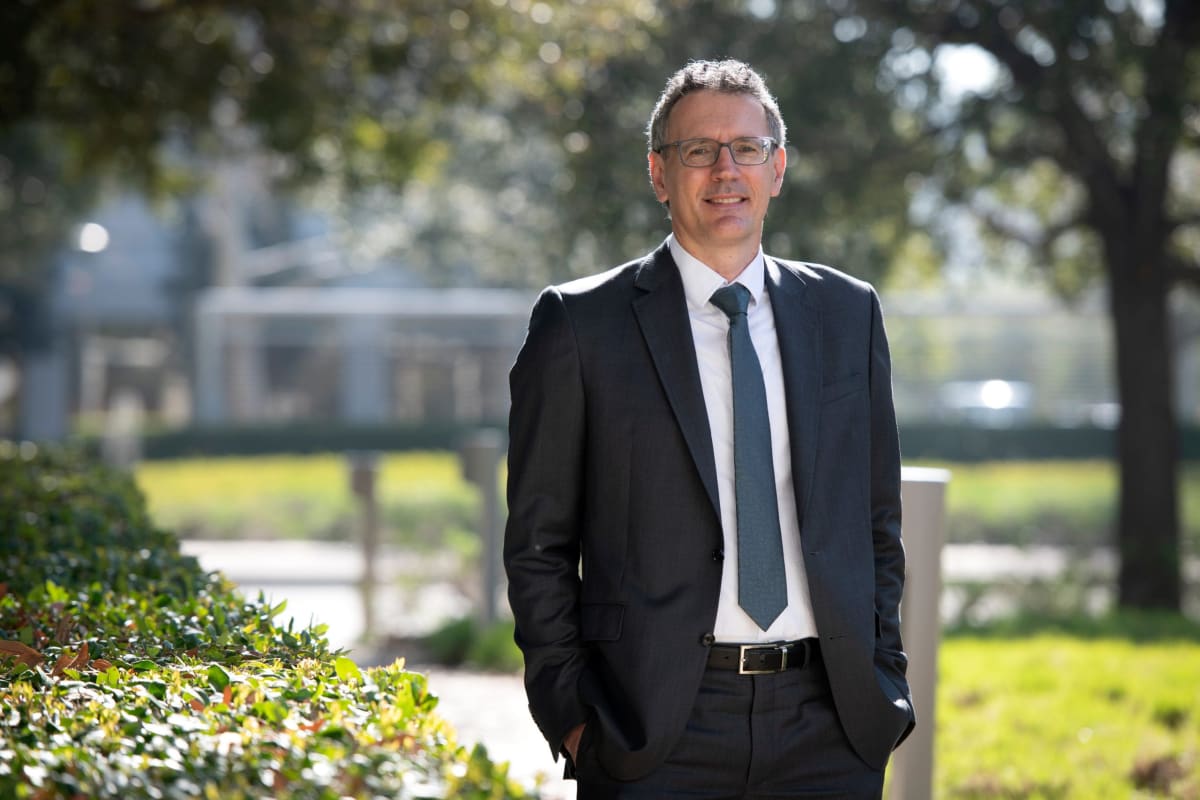
"Depression treatment still relies far too heavily on trial and error," says Dr. Diego Pizzagalli, who led the research. "Patients often spend months cycling through medications before finding one that works, while symptoms worsen and suicide risk can increase."
Currently, only 30 to 50 percent of people with depression respond to the first medication they try. Unlike cancer doctors who use genetic tests or cardiologists who rely on blood work, psychiatrists have had few objective tools to guide their prescribing decisions. They've depended mostly on patient descriptions and educated guesses.
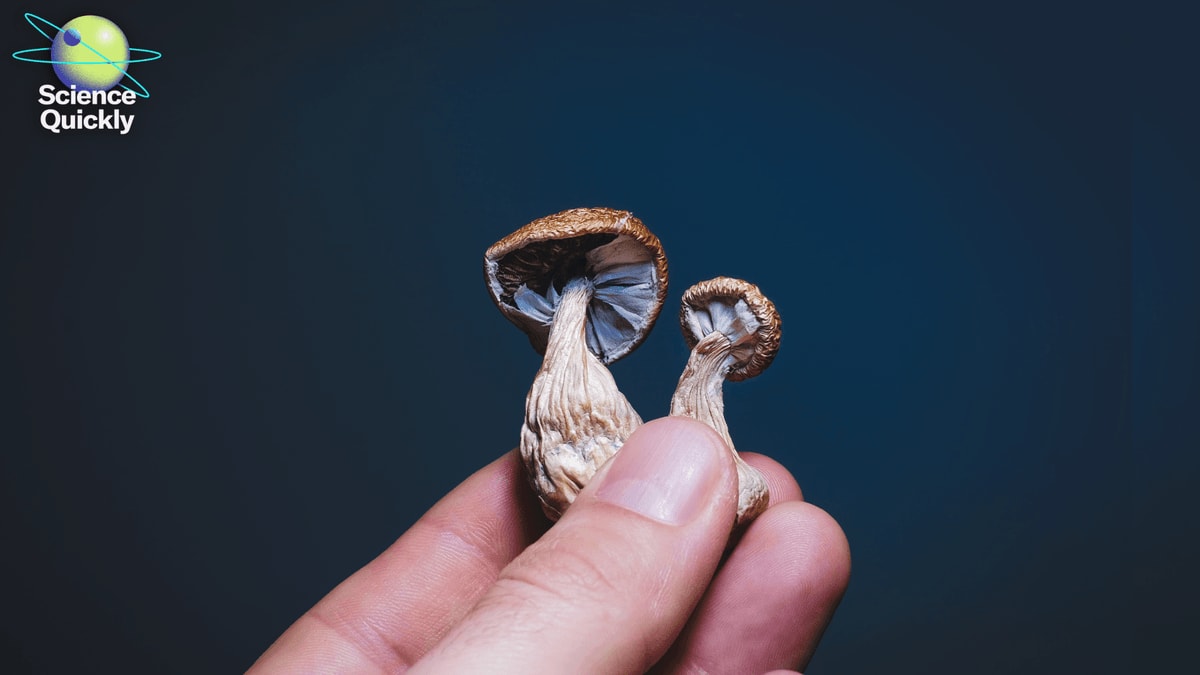
The research team focused on two common antidepressants: sertraline (Zoloft) and bupropion (Wellbutrin). They developed algorithms using brain connectivity measurements, reward sensitivity tests, cognitive assessments, and clinical characteristics to predict which medication would work best for each person.
The Bright Side goes beyond just choosing between pills. This approach could eventually help doctors identify patients unlikely to respond to traditional antidepressants at all. Those individuals could be directed much faster toward alternatives like psychotherapy, brain stimulation, or ketamine treatments, saving months of ineffective treatment.
The technology isn't ready for doctor's offices yet. The study included fewer than 50 patients, and the brain imaging equipment required isn't available in most clinics. But the proof of concept opens doors that have been locked for decades.
"This is important because it reinforces the idea that depression is not a single uniform illness," Pizzagalli explains. "Different biological pathways likely contribute to symptoms in different people."
The findings mark a major step toward precision psychiatry, where mental health treatment becomes as personalized as cancer therapy. For anyone who has watched a loved one struggle through medication after medication without relief, that future can't come soon enough.
Based on reporting by Google News - New Treatment
This story was written by BrightWire based on verified news reports.
Spread the positivity!
Share this good news with someone who needs it