Designer Turns Soap Bubbles Into 15,000-Piece Glass Gown
A dress made of 15,000 hand-formed glass bubbles that releases real bubbles as you walk just graced the Met Gala. It's your first glimpse at a stunning new exhibit celebrating fashion designer Iris van Herpen's 20-year journey turning science into wearable art.
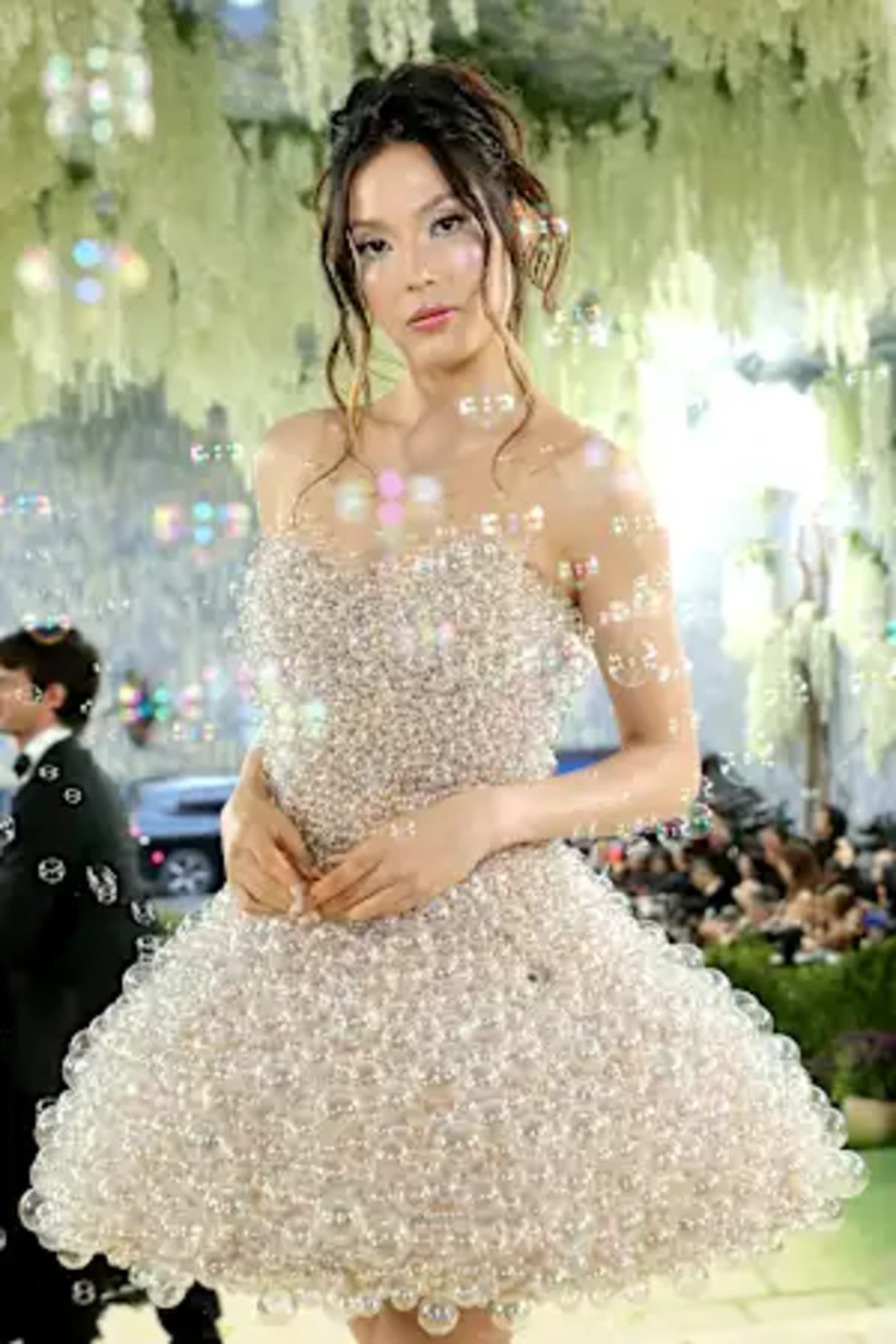
When Olympic skier Eileen Gu climbed the Met Gala steps in May, she wore a dress that looked like thousands of iridescent soap bubbles frozen mid-float across her body.
The stunning gown was created by designer Iris van Herpen in collaboration with Tokyo-London design studio A.A.Murakami. It took 2,550 hours to construct from 15,000 hand-formed glass bubbles, and hidden microprocessors released real bubbles into the air as Gu moved.
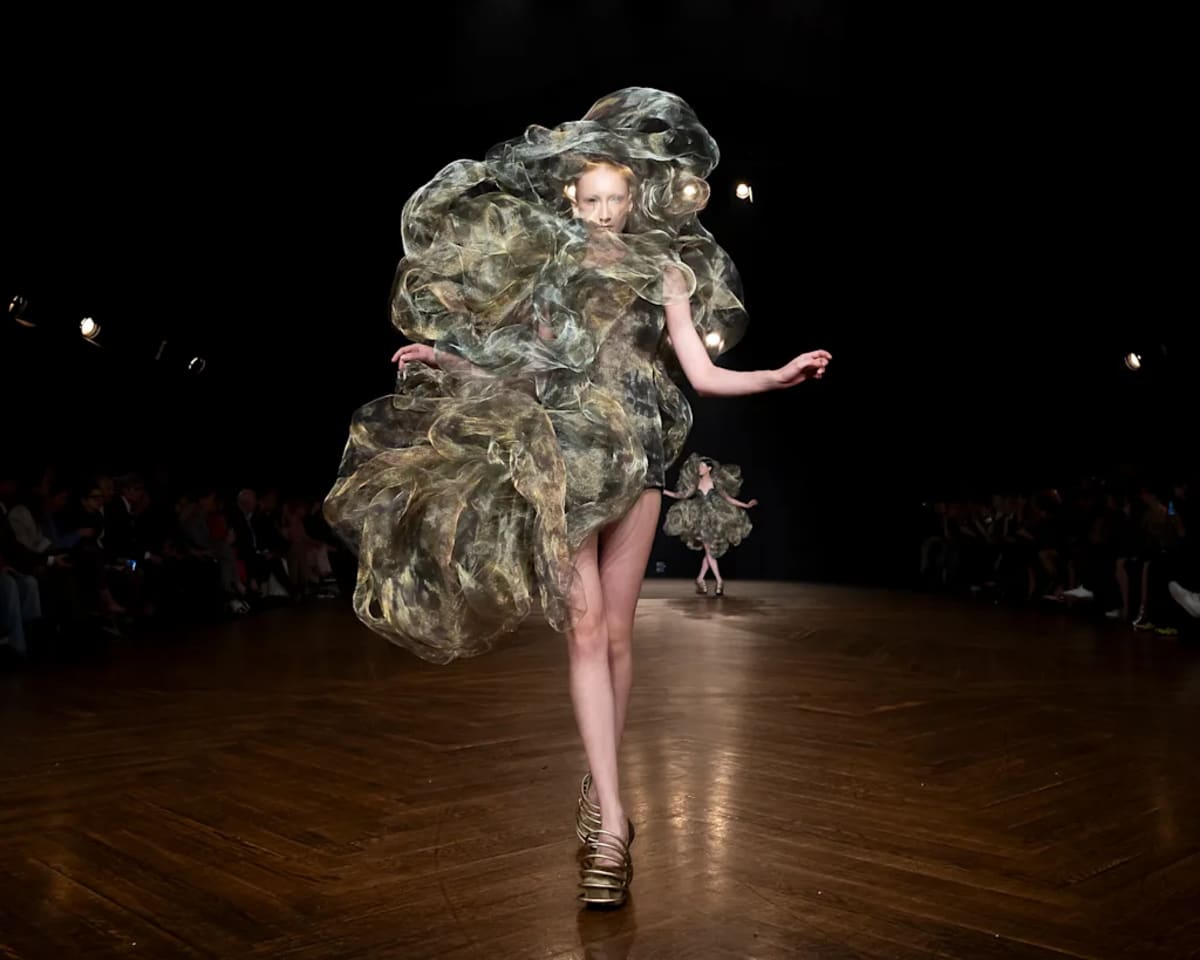
That dress is now the centerpiece of "Iris van Herpen: Sculpting the Senses," opening May 16 at the Brooklyn Museum. The retrospective showcases two decades of van Herpen's work blending fashion with science in ways that redefine what clothing can be.
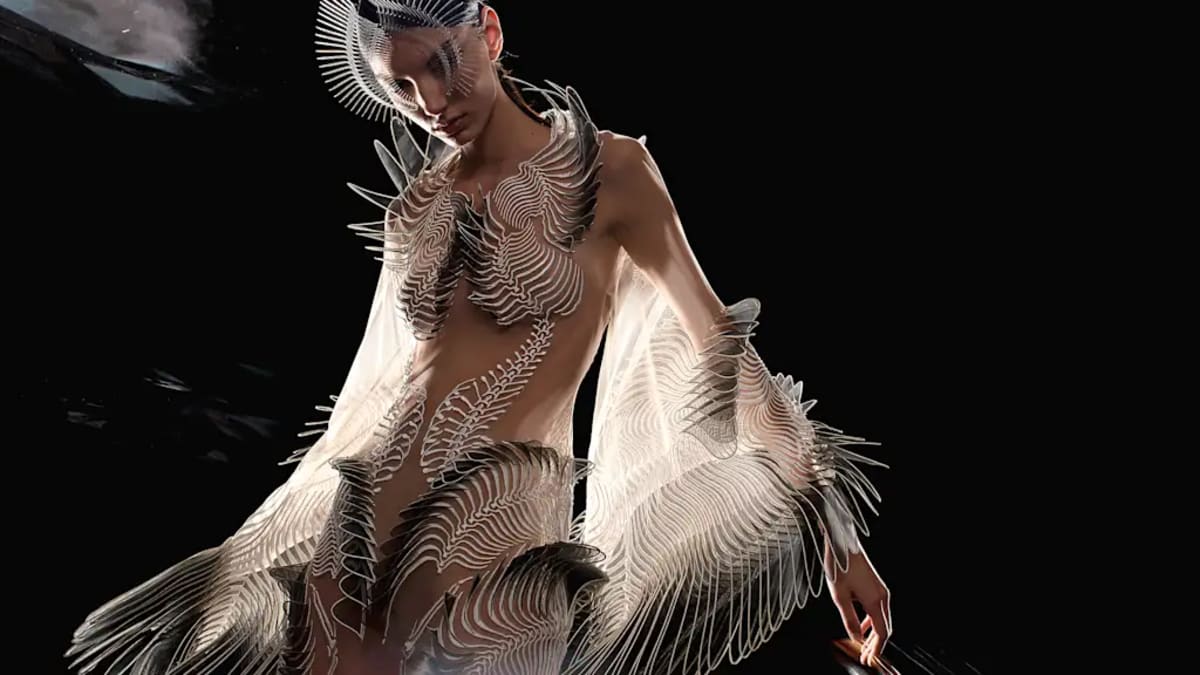
Van Herpen doesn't just design dresses. She partners with architects, paleontologists, and biologists to create couture inspired by the world around us and inside us.
She's made fashion inspired by the air filling our lungs, the skeletal structure of stingrays, and the magnetic fields of the Large Hadron Collider. Her materials range from iron filings and magnets to bioluminescent algae.
The bubble dress represents the air inside our bodies. "Over 90% of our bodies are made up of air," explains Matthew Yokobosky, the Brooklyn Museum's senior curator of fashion and material culture.
The exhibit explores how different forms of water have shaped van Herpen's designs. Liquid, frozen, and gaseous states all serve as creative springboards for pieces that blur the line between fashion and sculpture.
Why This Inspires
Van Herpen proves that art and science aren't opposing forces but powerful collaborators. Her work shows us the hidden beauty in things we take for granted, like the air we breathe or water changing states.
By making the invisible visible through fashion, she invites us to see our world and ourselves differently. Each piece celebrates the natural phenomena that make life possible, transformed into wearable wonder.
The Brooklyn Museum has championed fashion as art since 1934, hosting retrospectives for legends like Christian Dior, Virgil Abloh, and Jean Paul Gaultier. This exhibit continues that legacy while pushing boundaries of what fashion can communicate about science and humanity.
Van Herpen's 20-year journey reminds us that innovation happens when we combine curiosity with craftsmanship and let different disciplines inspire each other.
More Images

Based on reporting by Fast Company
This story was written by BrightWire based on verified news reports.
Spread the positivity!
Share this good news with someone who needs it