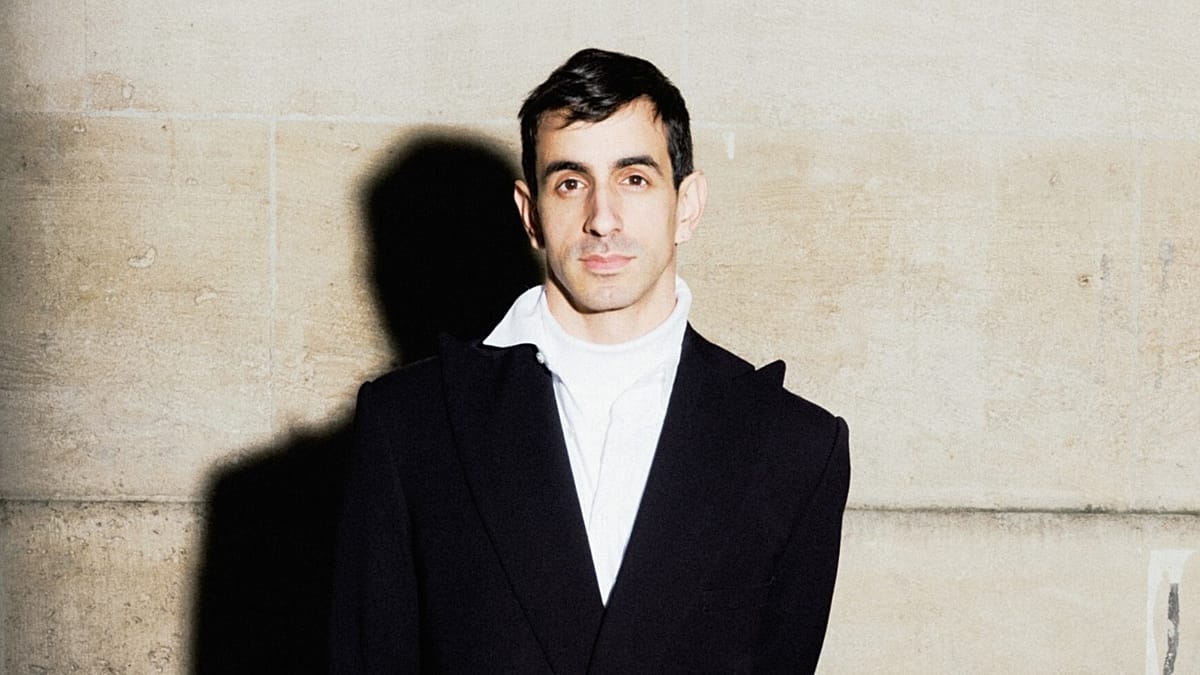
Designer Uses AI to Save Time, Not Replace Fashion Models
French-Portuguese fashion designer Steven Passaro is showing the industry how to use technology responsibly. While fast fashion giants chase profits, he's using AI and 3D modeling to reduce waste and spend more time on craftsmanship.
A rising star in luxury fashion is proving that innovation and humanity can work hand in hand, not against each other.
Steven Passaro, a French-Portuguese designer making waves at Paris Fashion Week, has earned praise from LVMH, the French Ministry of Culture, and fashion's top institutions. But what sets him apart isn't just his bold designs. It's how he creates them.
Unlike many in the industry racing to replace human workers with artificial intelligence, Passaro uses 3D modeling software for one specific purpose: pattern cutting. What once took him three days by hand now takes two hours digitally. He then pours that saved time into handcrafted couture and bespoke tailoring, keeping human artistry at the center of his work.
"I like the craftsmanship a lot," Passaro told Euronews Culture. "I'm going to save time on the pattern to be only digital, and then have the time and the resources for the craft."
The approach started during his studies at London College of Fashion, where he discovered software that reminded him of his first love: architecture. That background shapes his signature style, blending rigid sculptural forms with flowing fabric. He describes it as a conversation between Western tailoring and Eastern wrapping techniques.
But Passaro's vision extends beyond aesthetics. His entire design process centers on reducing environmental harm. Virtual sampling and digital pattern cutting on computer avatars dramatically cut fabric waste. He sources materials from LVMH suppliers in Europe, keeping quality high and transportation emissions lower.
Each collection tells an evolving story. His recent "Ethereal Shift" explored personal transformation in chaotic times. The latest, which he calls a "glimpse," captures the tension of wanting change while fearing it. He draws inspiration from psychology, spirituality, and current events, weaving them into wearable art.
The Ripple Effect
Passaro's method offers a blueprint for an industry desperately needing sustainable solutions. Fast fashion produces enormous waste, but his digital-first approach proves technology can reduce environmental damage rather than create it. By using AI as a tool rather than a replacement, he preserves jobs while improving efficiency.
His work also challenges the assumption that innovation must come at humanity's expense. Every hour saved on digital pattern cutting becomes an hour spent on hand-sewing and detailed craft work. The technology serves the artisan, not the other way around.
For consumers overwhelmed by fashion's environmental toll, Passaro represents hope. He's building a model where luxury, sustainability, and human craftsmanship strengthen each other. As he prepares for his next collection, he promises something lighter after seasons exploring darkness and tension.
Sometimes the best path forward means using new tools to protect old values.
More Images
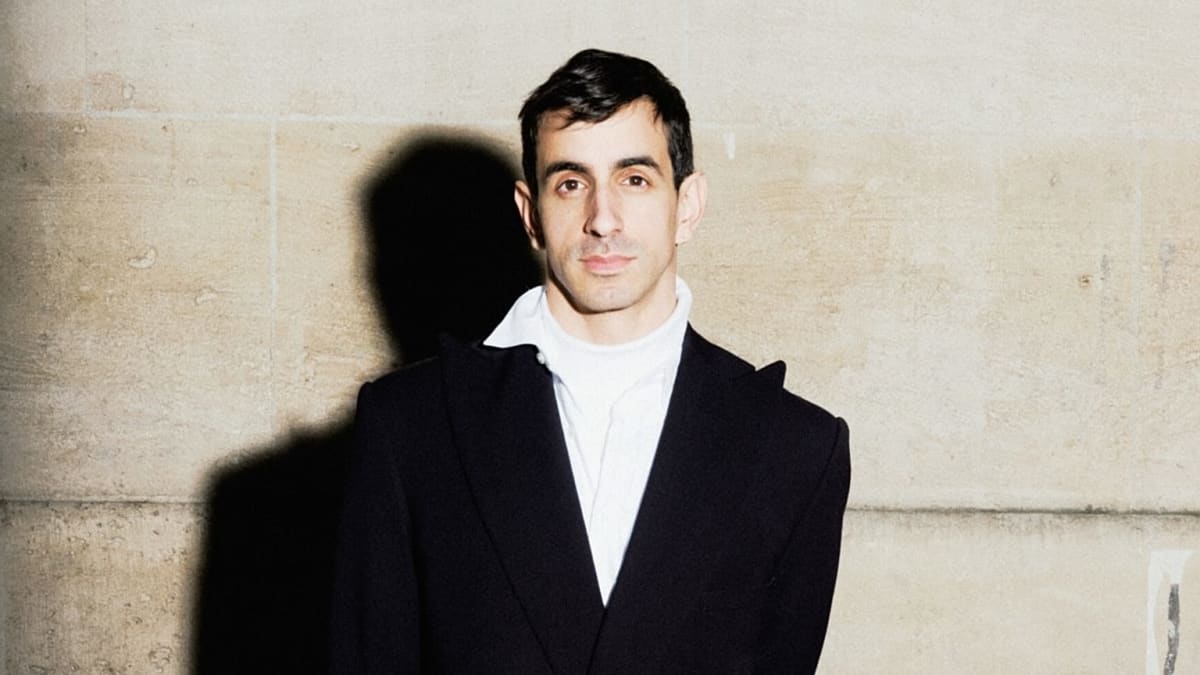


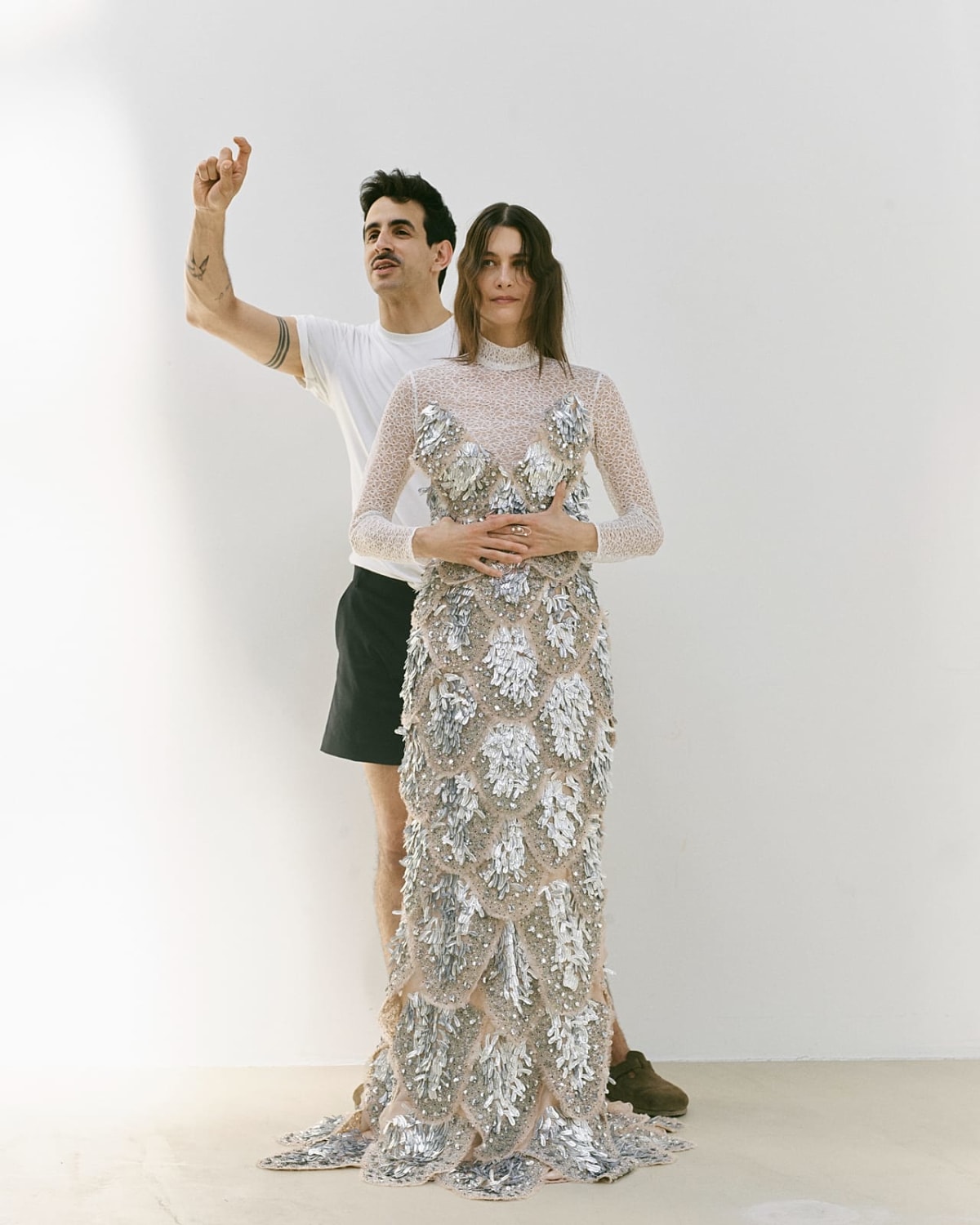
Based on reporting by Euronews
This story was written by BrightWire based on verified news reports.
Spread the positivity!
Share this good news with someone who needs it
%2Ffile%2Fattachments%2Forphans%2FIMG_6399_134346.jpg)