Detroit Plants 1,800 Trees on 55 Vacant Lots Since 2019
A Detroit neighborhood once choked by industrial pollution is breathing easier thanks to an urban forest sprouting across abandoned land. Arboretum Detroit has transformed 55 empty parcels into connected green spaces that clean the air and offer hope for thousands of other vacant lots citywide.
In Poletown East, a Detroit neighborhood that spent decades living downwind from a trash incinerator, something unexpected is growing where empty lots once sat: hope, one tree at a time.
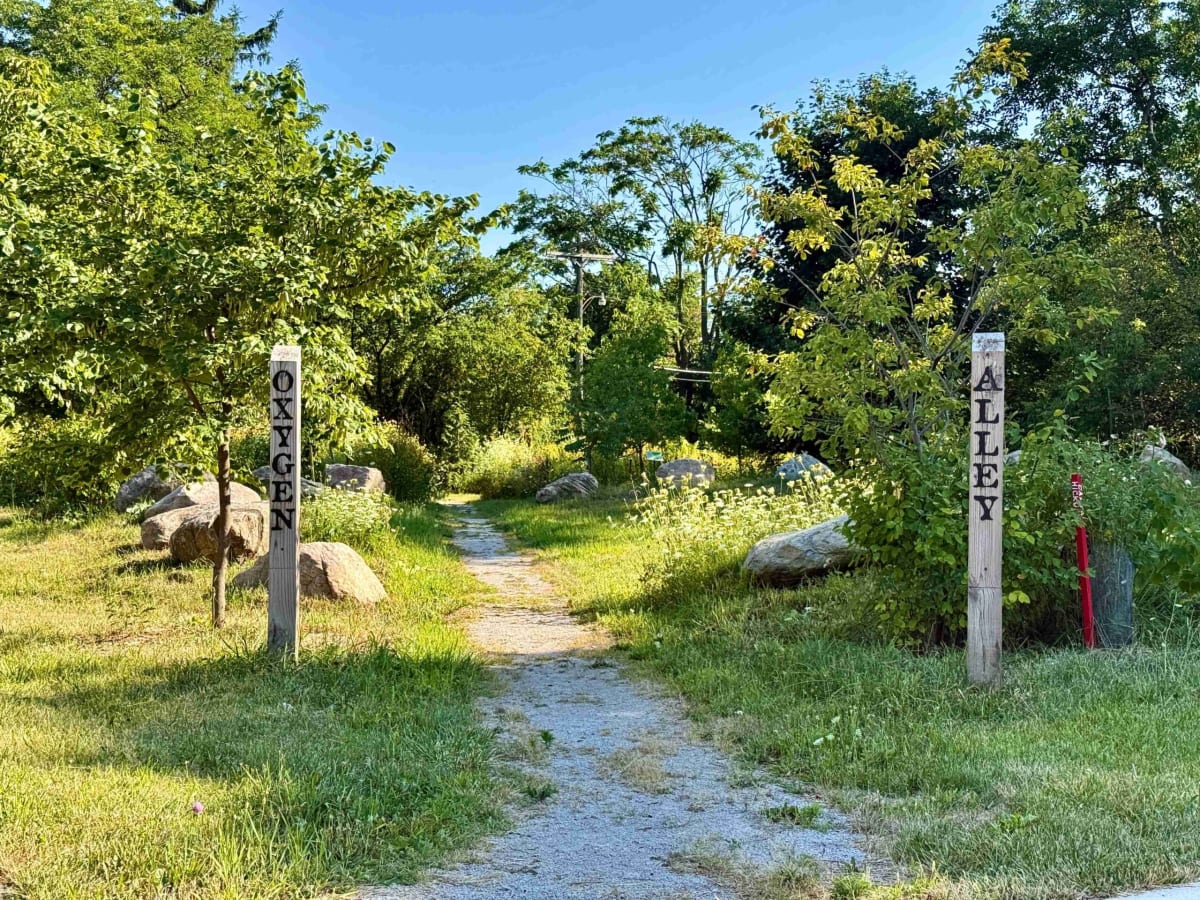
Since 2019, Arboretum Detroit has planted over 1,800 trees across 5 acres of formerly vacant land, creating an interconnected network of forests, prairies, and walking paths. The young urban forest now spans 55 parcels between East Grand Boulevard and Warren Avenue, offering fresh air and green space to residents still dealing with the health impacts of nearby industrial facilities.
For co-founder Andrew "Birch" Kemp, the project started with a simple philosophy borrowed from Detroit's DIY culture: don't wait for someone else to fix your neighborhood. He spent years planting trees informally until he realized volunteer efforts could disappear overnight when land changed hands or got mowed over.
Forming the nonprofit changed everything. By acquiring parcels through the Detroit Land Bank and private donations, Arboretum Detroit now protects both the trees and the ground beneath them from speculation and unwanted development.
The location matters deeply. Poletown East lost entire blocks when land was cleared for a General Motors plant decades ago, then endured a trash incinerator that burned until 2019. While scrapyards and trucking facilities still operate nearby, the new tree canopy catches airborne pollution particles before they reach neighboring communities.
The forests don't just filter air. They cool streets, provide habitat for birds and pollinators, and create gathering spaces where residents can reconnect with nature. Community gardens, urban farms, and even a Buddhist temple have sprouted alongside the trees.
The Ripple Effect
Detroit contains roughly 18 square miles of vacant land, and city planners are rethinking what empty parcels could become. Not every lot needs a building. Some landscapes offer more value as ecosystems than real estate.
Arboretum Detroit's approach shows what's possible when communities take long-term stewardship seriously. The forests emerge lot by lot, stitched together by footpaths and native plants into a patchwork that proves abandoned land doesn't have to stay empty to have purpose.
Other neighborhoods are watching. The model demonstrates that healing happens when communities focus on building the future they want to live in rather than trying to undo generations of contamination beneath the soil.
The energy around restoration attracts more people committed to stewardship over extraction. What started as one person planting trees has grown into a movement showing Detroit how thousands of vacant lots could bloom.
In a city where industrial pollution once seemed permanent, these forests prove that even wounded landscapes can breathe again.
More Images


Based on reporting by Google News - Reforestation
This story was written by BrightWire based on verified news reports.
Spread the positivity!
Share this good news with someone who needs it