Detroit's 30-Year Black Pride Festival Returns Stronger
Detroit's Hotter Than July, the city's longest-running Black LGBTQ pride celebration, brought together thousands for four days of unity, advocacy, and joy. Now in its third decade, the festival proves love and community only grow stronger with time. ##
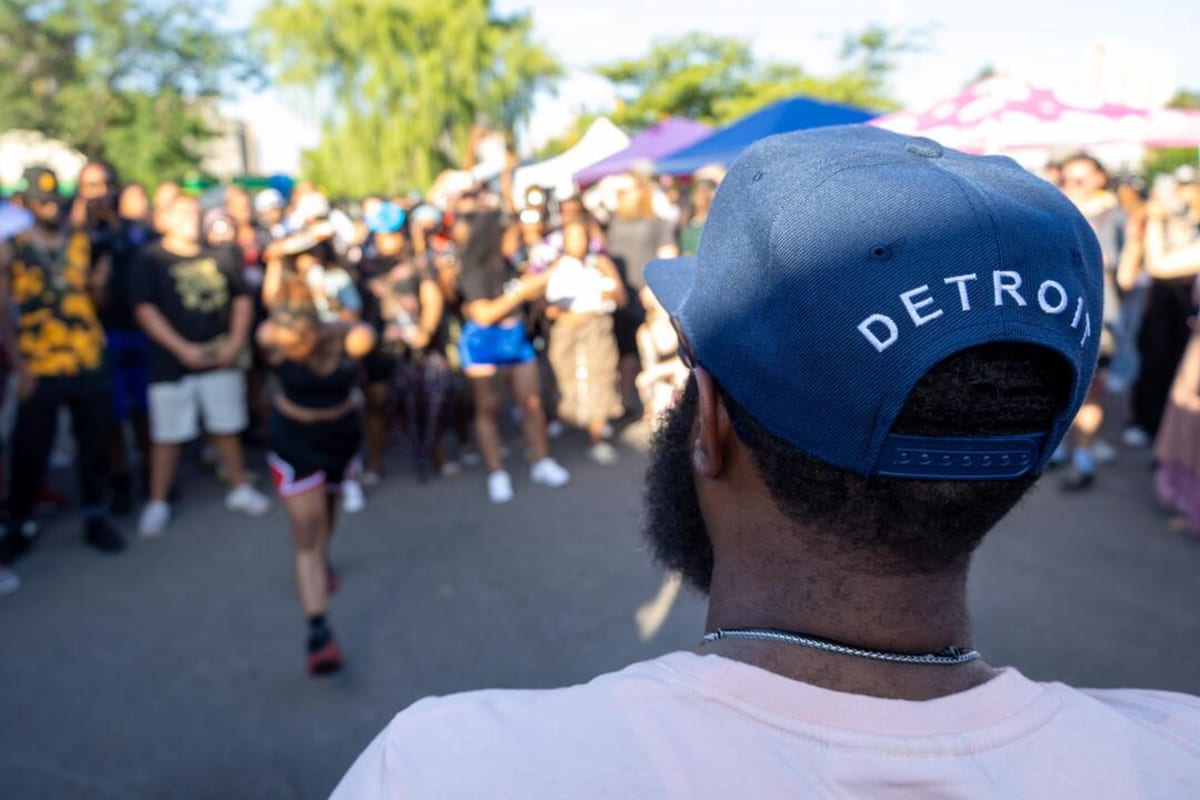
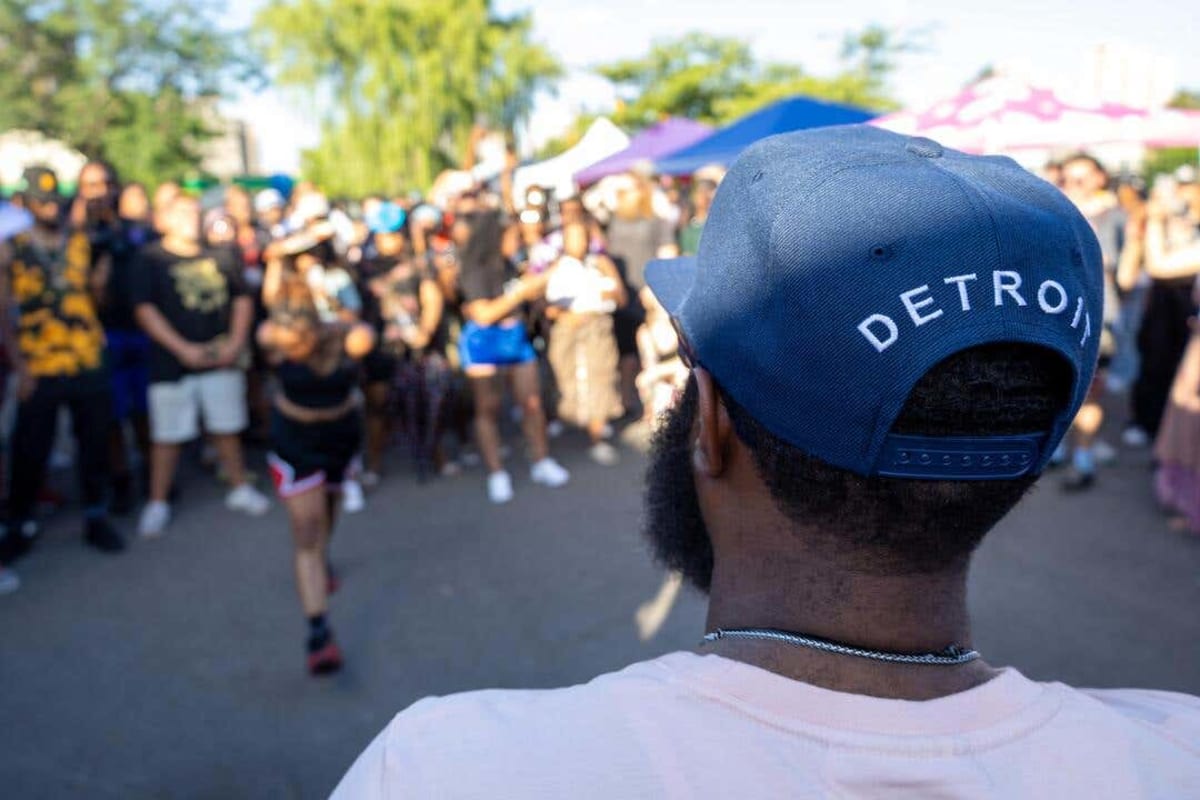
Thirty years ago, Black LGBTQ people in Detroit gathered quietly at distant state parks, hidden by stigma and fear. This week, thousands filled Palmer Park for Hotter Than July, the city's longest-running Black pride celebration, proving how far love and visibility have come.
The four-day festival kicked off Thursday with a candlelight vigil honoring lives lost to HIV/AIDS and violence. LGBT Detroit, founded in 1994 during the height of the AIDS crisis, opened the celebration the same way it has for decades: by remembering those who paved the way.
But the event quickly shifted to celebration and action. A candidate forum brought local politicians face to face with community members ahead of Michigan's August 4 primary election. State representatives and congressional candidates answered questions about protecting LGBTQ rights at a time when those freedoms face increasing challenges.
"A lot of the rights and freedoms of LGBT folks have been under attack now more than ever," said broadcast studio manager Chris Sutton. The forum gave voters direct access to decision makers who will shape their future.
Friday night brought art and film to center stage. Local LGBTQ filmmakers screened their work at the Marvin Lee Building, celebrating stories that rarely make mainstream screens. The evening honored Duane Belin, who ran the Liberal Arts Gallery on Gratiot until his death in 2024.
Saturday's Palmer Park Picnic drew the biggest crowds. Families spread out blankets, kids played volleyball, and vendors lined the pathways. Executive Director A. Nzere Kwabena described the scene as "a family reunion," a stark contrast to the hidden gatherings of the past.
The picnic has claimed Palmer Park as home since 1995. That shift from remote locations to a central Detroit park represents more than geography. It marks a community refusing to hide anymore.
The Ripple Effect
Beyond the dance parties and brunches, Hotter Than July created space for health resources, political engagement, and intergenerational connection. Young people met elders who fought for basic rights. Families found support networks. Artists gained platforms.
The festival closed Sunday with worship services and rooftop celebrations, bookending four days that mixed sacred remembrance with joyful defiance. Each event reinforced a simple truth: visibility saves lives and builds community.
LGBT Detroit transformed from a publishing company addressing the AIDS crisis into an organization celebrating three decades of Black queer excellence. The evolution mirrors the community itself, moving from survival to thriving while never forgetting the journey.
Palmer Park now bursts with pride every summer, a permanent home for people who once had to hide.
##
More Images

Based on reporting by Google News - Unity Celebration
This story was written by BrightWire based on verified news reports.
Spread the positivity!
Share this good news with someone who needs it