Dhaka's AI Traffic System Cuts Congestion in World's Slowest City
Bangladesh's traffic-clogged capital deployed an AI monitoring system that automatically catches violations and sends fines directly to vehicle owners. Drivers are already following rules to avoid penalties, easing congestion in a city where traffic once crawled slower than walking speed.
In a city where driving once moved slower than a brisk walk, technology is finally giving Dhaka's 21 million residents a chance to actually get somewhere on time.
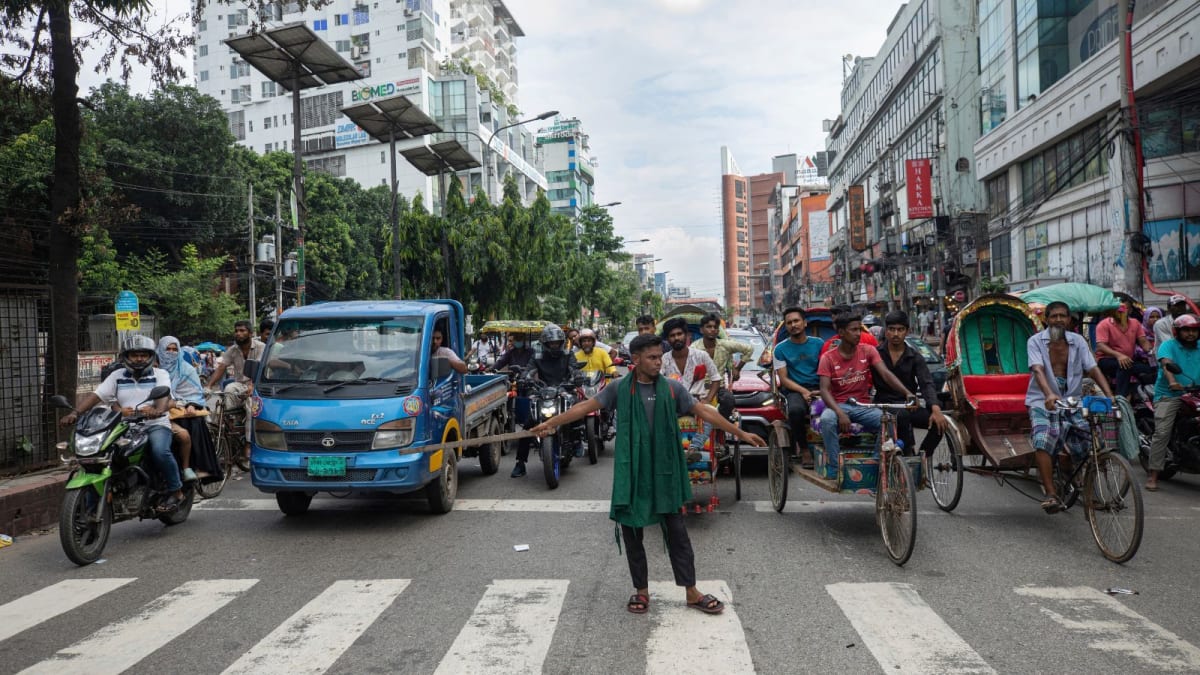
Bangladesh's capital has long held an unfortunate distinction: one of the world's slowest cities for traffic. The World Bank clocked average vehicle speeds at just 7 kilometers per hour, barely faster than a pedestrian stroll. A UN report warned that by 2035, traffic might slow to 4 km per hour, making cars functionally useless.
Faced with gridlock and frustrated drivers, Dhaka police turned to artificial intelligence in April 2026. They connected existing road surveillance cameras to software that automatically detects traffic violations like running red lights, improper lane changes, and illegal parking. The system will soon catch vehicles driving on sidewalks too.
Here's how it works: the AI flags a violation, human operators verify it's legitimate, then the system sends a fine notification directly to the registered vehicle owner via text message. No angry confrontations with traffic police. No manual ticket writing. Just an automated 2,000 taka fine appearing on your phone.
One motorist named Jibon learned this the hard way when he ran a red light. Before he even arrived home, the car's owner received a text about the violation. The instant accountability shocked drivers into compliance.
The Ripple Effect
The system requires just a few dozen monitors and analysts working in a control room, far fewer than the hundreds of officers previously needed for manual enforcement. That efficiency frees up police resources while actually improving results.
Dhaka's traffic chaos stems from mixing high-speed vehicles with the city's iconic three-wheeled rickshaws, creating dangerous bottlenecks throughout the metropolitan area. For years, commuters accepted violations as normal survival tactics in the daily battle to reach work or home.
Now, the fear of automatic fines is changing driver behavior across the city. Motorists are staying in their lanes, stopping at red lights, and thinking twice before blocking intersections. The shift is measurable: congestion has noticeably decreased as drivers follow rules they once routinely ignored.
The technology transforms enforcement from confrontational to systematic. Irritable drivers stuck in traffic can't argue with or intimidate a camera. The evidence is digital, the process is standardized, and the consequences arrive whether anyone is watching or not.
For a city projected to become slower than walking within a decade, AI-powered traffic management offers hope that Dhaka's roads might actually move again.
Based on reporting by Indian Express
This story was written by BrightWire based on verified news reports.
Spread the positivity!
Share this good news with someone who needs it