Diabetes Wound Healing Breakthrough Found by Swedish Scientists
Researchers in Sweden discovered a protective molecule that could transform treatment for diabetic foot ulcers, wounds that heal slowly and often lead to amputation. The finding offers new hope for millions living with diabetes worldwide.
Scientists at Karolinska Institutet have identified a natural molecule that helps chronic wounds heal faster, potentially offering a breakthrough for people with diabetic foot ulcers.
The research team discovered that a circular RNA called circMTRNR2 plays a crucial role in wound healing by protecting cells' energy factories from damaging stress. When this molecule is present in healthy amounts, skin cells can grow, move, and build new tissue effectively.
The researchers examined skin samples from patients with non-healing diabetic wounds and compared them to healthy tissue. They found that people with long-standing diabetic foot ulcers had significantly lower levels of circMTRNR2 in their wound tissue.
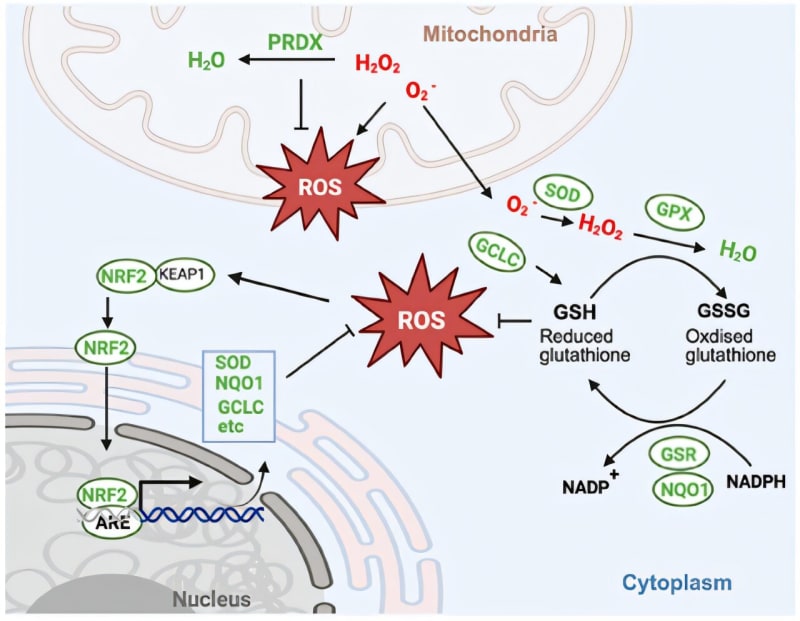
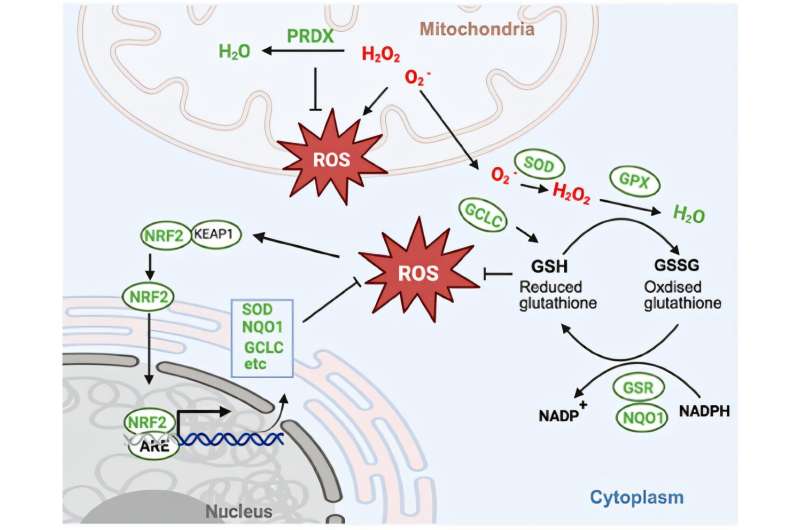
Doctoral student Jennifer Geara explains that this RNA molecule acts like a cellular bodyguard. It stabilizes an antioxidant that fights harmful stress in mitochondria, the parts of cells that produce energy.
When circMTRNR2 levels drop, cells experience more stress and their mitochondria get damaged. This damage slows down the entire healing process, creating wounds that persist for months or even years.
The team tested their findings using both human skin samples and animal models. In both cases, reducing circMTRNR2 slowed healing, while increasing it sped up the repair process.
This discovery matters because diabetic foot ulcers affect millions of people and carry serious consequences. These wounds increase infection risk and often lead to amputation when they refuse to heal.
Why This Inspires
This research opens a door that could change lives. Instead of managing stubborn wounds for months, patients might one day receive treatments that jumpstart their natural healing processes.
The findings also demonstrate how our bodies already contain protective mechanisms we're just beginning to understand. Scientists aren't inventing something artificial but learning to harness what nature already designed.
Most encouraging is how clear the effect appears in testing. When researchers boosted circMTRNR2 levels, wounds healed faster in a measurable, repeatable way.
Geara and her team are now working on the next challenge: figuring out how to deliver this molecule directly to wound sites in patients. They want to test whether it can help people whose wounds have resisted healing for extended periods.
The study, published in Advanced Science, represents years of careful work analyzing fibroblasts, the skin cells central to wound repair. Every breakthrough like this builds on previous discoveries, creating momentum toward real solutions.
For the estimated 537 million adults living with diabetes globally, better wound care isn't just about comfort but preventing life-changing complications and improving quality of life for years to come.
More Images
Based on reporting by Medical Xpress
This story was written by BrightWire based on verified news reports.
Spread the positivity!
Share this good news with someone who needs it