Stanford Supercharges Immune Cells to Fight Solid Tumors
Scientists have cracked the code to transform natural killer cells into powerful cancer fighters that can penetrate and destroy solid tumors. The breakthrough could make effective cancer treatment available off the shelf to millions of patients.
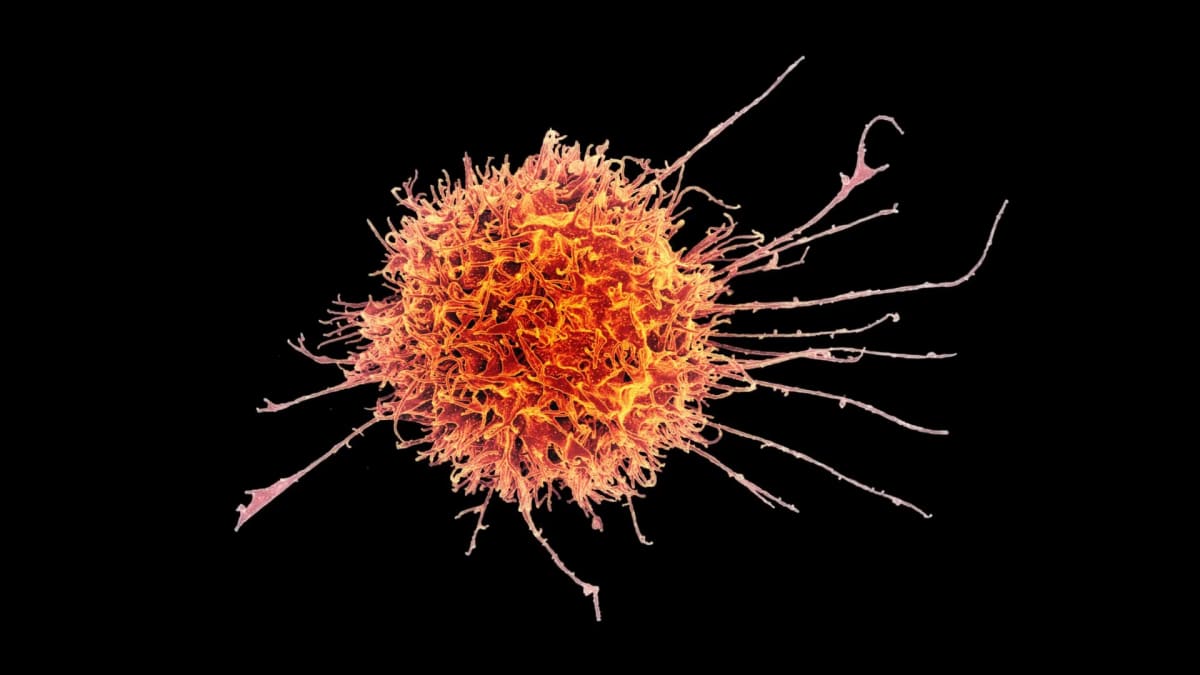
Scientists at Stanford Medicine have discovered how to transform natural killer cells into supercharged cancer fighters that can slip inside solid tumors and destroy them from within.
The breakthrough tackles one of cancer treatment's biggest challenges. While immune cell therapies have worked wonders for blood cancers, solid tumors like melanoma and head and neck cancers have remained stubbornly resistant because they're hard for immune cells to enter.
Dr. John Sunwoo and his team figured out how to reprogram natural killer cells into a specialized tissue resident form. These modified cells infiltrated solid tumors far better than regular natural killer cells in every test.
"It was very reproducible, very striking and very clear," said Sunwoo, senior author of the study published in Science Translational Medicine.
The modified cells slowed tumor growth in mice across several cancer types. When paired with the antibody drug cetuximab, which helps guide natural killer cells toward cancer, the results got even better.
Natural killer cells earned their name in the 1970s for their ability to rapidly recognize and destroy abnormal cells without prior training. They're the body's quick response team, attacking cancer and virus infected cells on sight.
The key was finding the right recipe. The team isolated natural killer cells from human blood donors and exposed them to different combinations of cellular signals, including TGF beta, a protein that tumors produce.
The amount mattered tremendously. Too little TGF beta and the cells wouldn't transform. Too much and the cells became tissue resident but lost their killing power.
"It's a Goldilocks kind of thing where if you give just enough of a TGF beta signal, then the natural killer cells become tissue resident with strong toxic activity against malignant cells," Sunwoo explained.
The Ripple Effect
This breakthrough could democratize cancer treatment in a way current therapies cannot. Most immune cell treatments must be custom manufactured from each patient's own cells, a time consuming and expensive process that limits access.
Natural killer cells don't typically trigger immune reactions when transferred between people. That means these supercharged cells could be produced in large batches, frozen, and shipped to hospitals as a ready to use treatment.
"It would be almost an off the shelf drug," Sunwoo said. "It could make cell therapy much more accessible to a wider variety of patients."
The discovery also opens new doors for understanding how immune cells behave inside tissues rather than just in the bloodstream. For decades, immunology focused mainly on circulating blood cells, but researchers now realize that tissues are where most immune action happens.
The team's next challenge is moving from mouse studies to human clinical trials, but the foundation looks solid.
Millions of cancer patients who face limited treatment options may soon have access to a powerful new weapon that's ready when they need it.
Based on reporting by Google News - New Treatment
This story was written by BrightWire based on verified news reports.
Spread the positivity!
Share this good news with someone who needs it