Dietitian: All Foods Can Fit in a Healthy Diet
A registered dietitian is challenging diet culture's rigid rules with a flexible approach that removes guilt from eating. Research shows this "all foods fit" method leads to better health outcomes than restrictive dieting.
What if the secret to eating better wasn't following more rules, but throwing them out entirely?
Charlotte Carlson, a registered dietitian specializing in eating disorders, sees the damage diet culture causes every day. Her clients struggle with guilt and shame around food, their health suffering from rigid nutrition rules that promise everything but deliver stress.
The numbers tell a troubling story. Diet culture has built a multibillion-dollar industry on conflicting advice that leaves people confused and harmed. Research shows these restrictive approaches actually increase unhealthy behaviors like yo-yo dieting, weight cycling, and eating disorders.
Carlson champions an alternative called "all foods fit." This approach doesn't mean eating whatever you want without thought. Instead, it removes moral labels from food and encourages listening to your body's signals about hunger, fullness, and satisfaction.
The difference shows up in real situations. Picture attending a party with pizza, vegetables, and cookies. On a restrictive diet, you might eat only the "good" veggies, then binge on cookies later out of hunger and guilt. With an all-foods-fit mindset, you'd choose what makes your body feel good, enjoying pizza with vegetables for balance and maybe a cookie because you genuinely want one.
Why This Inspires
This approach challenges decades of messaging that made eating feel like a moral test. By removing shame from food choices, people often make healthier decisions naturally because they're less stressed about every bite.
The science backs it up. Studies show that dropping food morality decreases stress around eating and reduces disordered eating patterns. Better mental health around food translates to improved physical health.
The approach also acknowledges that health involves more than diet. Exercise, sleep, stress levels, mental health, income, food access, and healthcare all play crucial roles. Individual needs vary based on preferences, health status, schedules, and cooking skills.
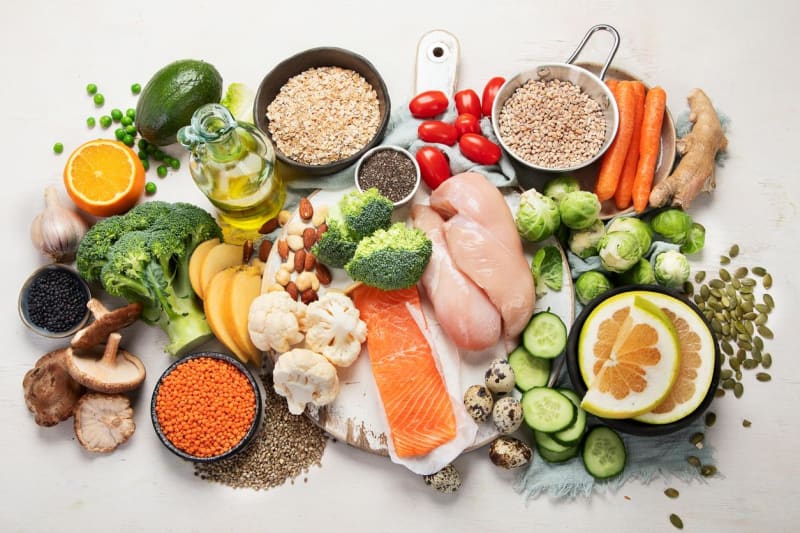
Getting started means shifting your language. Instead of calling foods "good" or "bad," use neutral terms focused on nutrition. Chicken provides protein. Broccoli offers fiber. Ice cream is dessert. These factual labels help you choose foods without guilt while considering what your body needs.
The second step involves tuning into internal cues rather than external rules. Your body knows when it's hungry, full, or satisfied. Learning to listen helps you develop eating patterns that genuinely work for your life.
This flexibility creates sustainable habits that survive disruptions to routine. When stress hits or schedules change, you adapt rather than abandon everything and start over Monday.
Carlson's message offers hope for anyone exhausted by diet culture's endless rules: health and nutrition have room for nuance, and that flexibility might be exactly what helps you thrive.
More Images


Based on reporting by Japan Today
This story was written by BrightWire based on verified news reports.
Spread the positivity!
Share this good news with someone who needs it