Digital Radio Connects Remote Communities Without Satellites
A nonprofit created an open-source shortwave radio system that sends files, photos, and emergency messages to the world's most isolated communities. The technology already saved a fishing crew stranded 200 kilometers offshore.
When a fishing boat broke down 200 kilometers into the Bay of Bengal, the crew had no cell service and no way to call for help. But they had something better: a small digital radio that beamed their GPS coordinates through the sky using nothing but the Earth's atmosphere.
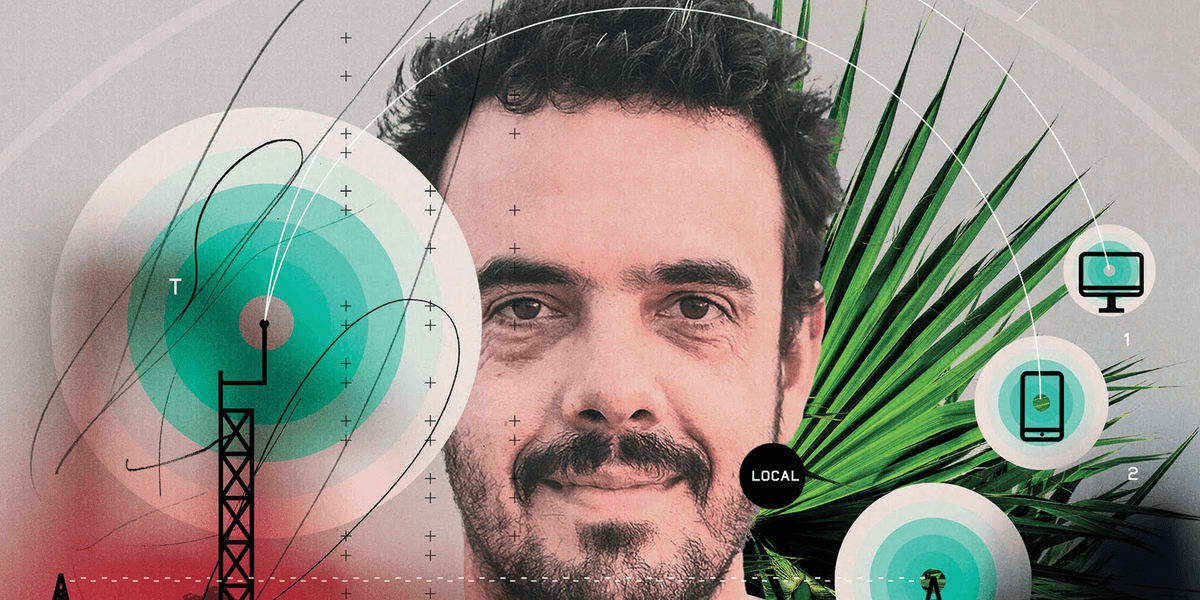
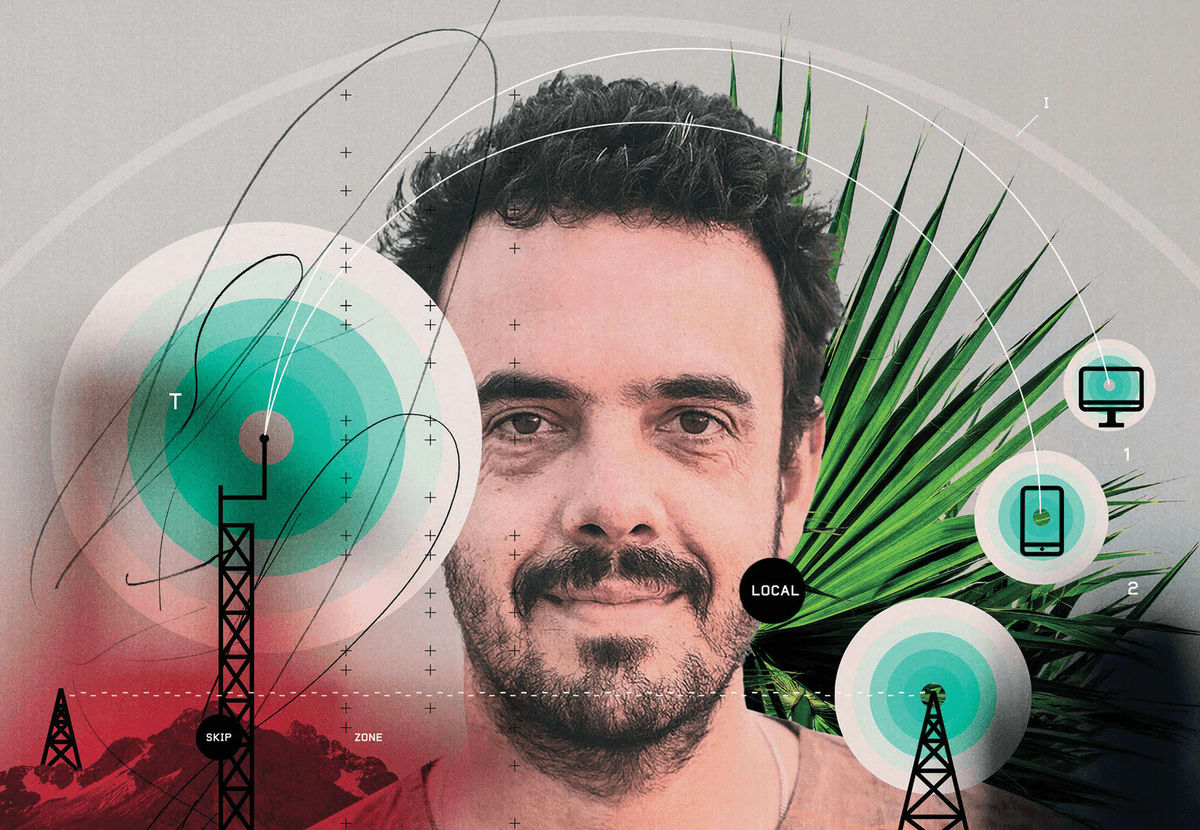
Peter Bloom founded Rhizomatica, a Philadelphia nonprofit that builds communication systems for remote communities that satellites and cell towers can't reach. His team created HERMES, an open-source digital shortwave radio that works like the internet but uses the ionosphere as a mirror to bounce signals across hundreds of kilometers.
Traditional shortwave radios can only transmit voice, forcing people to read out long lists of coordinates, medical information, or supply requests over crackling airwaves. HERMES changes that by sending any type of file, from photos to documents to voice memos, at speeds up to 600 kilometers between two small 20-watt radios.
The technology matters most in emergencies. Indigenous communities in Brazil use it to send photos of illegal logging without spending days traveling down rivers to report the crime. Fishers in Bangladesh coordinate rescues when boats fail far from shore. Rural health workers share medical data without leaving their villages.
Rhizomatica staff travel to countries like Ecuador, Brazil, and Bangladesh to install HERMES systems in places where building traditional infrastructure isn't practical or possible. The radios cost a fraction of satellite systems and require no monthly fees or relay towers.
The system includes optional encryption, which matters for communities in sensitive areas who need secure communication. Users can turn it on or off depending on local regulations and their needs.
The Ripple Effect
The Bangladesh fishing project started with just 10 or 11 boats equipped with HERMES radios. When that first mechanical failure happened offshore, the crew sent their SOS and GPS position through the system. Rescuers coordinated the recovery of both the boat and everyone aboard, proving the technology works exactly when it matters most.
Now those same communities can send weather updates, coordinate catches, and stay connected to families on shore. What started as an emergency backup became a daily lifeline for people whose livelihoods depend on venturing far from help.
The open-source design means anyone can build, modify, or improve the system. As more communities adopt HERMES, they're creating a global network of connected places that traditional telecommunications companies considered too remote or unprofitable to serve.
The ionosphere doesn't charge monthly fees, and it covers the entire planet.
More Images
Based on reporting by IEEE Spectrum
This story was written by BrightWire based on verified news reports.
Spread the positivity!
Share this good news with someone who needs it