Digital Twins Help Scientists Save Endangered Species
Scientists are using "digital twins"—virtual replicas of forests, wildlife habitats, and even entire ecosystems—to test conservation strategies without risking real environments. This technology, once used to save Apollo 13 astronauts, is now tackling Earth's biodiversity crisis.
A technology that helped rescue astronauts in space is now being deployed to rescue endangered species on Earth.
Digital twins are virtual replicas of physical things that update in real time using sensor data. NASA pioneered this approach during the Apollo 13 crisis, when engineers on the ground simulated the damaged spacecraft to help astronauts survive. Today, that same concept is helping save forests, optimize wind farms, and protect vanishing wildlife.
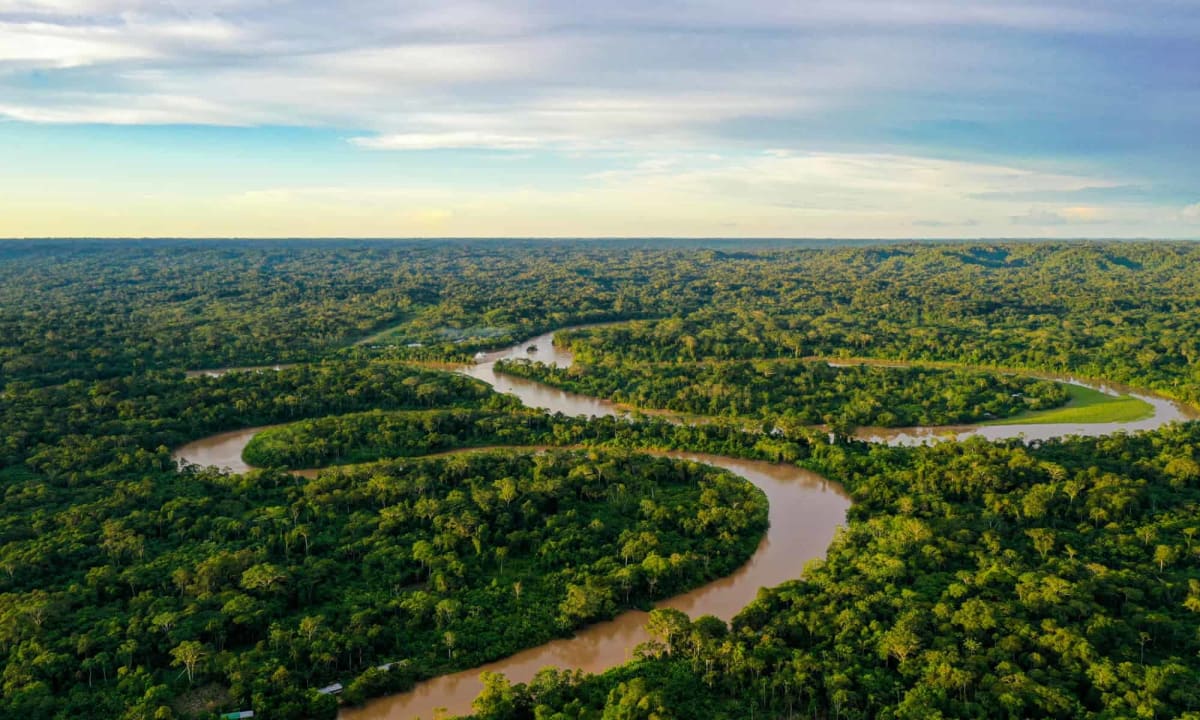
The technology works like a living mirror. Sensors placed in forests, oceans, or other ecosystems feed constant data to computer models. Scientists can then test different conservation strategies on the digital version without disturbing actual habitats or animals.
Companies like Digital AECOM are creating virtual replicas of natural landscapes to guide habitat protection decisions. Their digital twins use artificial intelligence and machine learning to run climate risk simulations, showing which conservation approaches will work best before teams invest time and resources in the real world.
The European Commission is taking this even further with its Destination Earth initiative. They're building detailed digital models of Earth's climate systems to simulate extreme weather and test mitigation strategies. Over 100 European partners are developing two digital twins focused on climate adaptation and weather extremes.
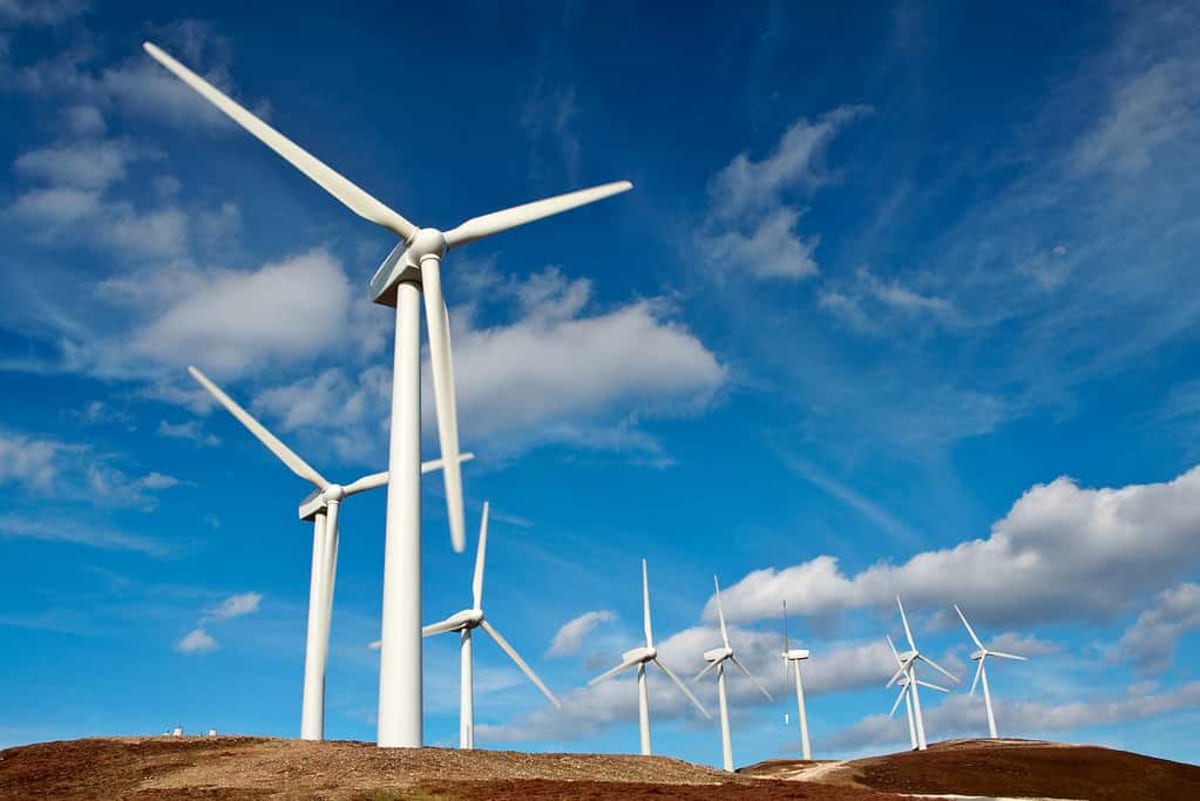
Wind energy is already benefiting from this technology. By monitoring wind speeds through digital twins, operators adjust turbine blade angles in real time to maximize power output while reducing equipment wear. Some manufacturing companies using digital twins have cut waste by up to 20 percent, keeping tons of materials out of landfills.
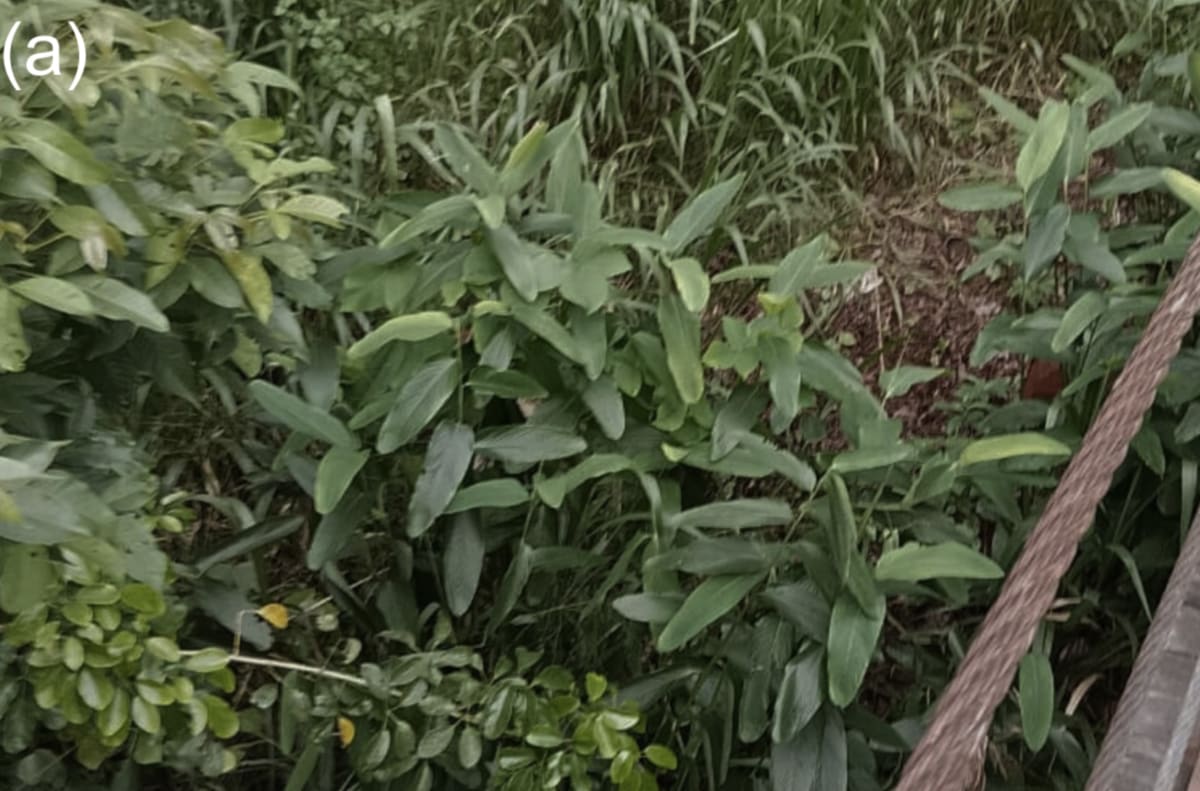
In Finland, the Natural Resources Institute uses Digital Forest Carbon Twins to measure biomass and carbon stocks through drones and satellites. This helps forest owners earn carbon credits while protecting natural resources, proving conservation and economic growth can coexist.
The Ripple Effect: The stakes couldn't be higher. Scientists estimate 30 percent of Earth's species have been lost or face extinction threats in the past 500 years. Digital twin technology gives conservationists a risk-free testing ground to find solutions before biodiversity losses become irreversible. By simulating years of environmental changes in hours, researchers can identify which habitats need protection most urgently and which restoration methods will actually work.
This isn't science fiction anymore—it's science helping nature fight back.
More Images


Based on reporting by Google News - Species Saved
This story was written by BrightWire based on verified news reports.
Spread the positivity!
Share this good news with someone who needs it