Surfer Plants 100,000 Trees, Transforms 34 Costa Rica Beaches
A university student who just wanted shade for his girlfriend at the beach has restored 34 deforested Costa Rican coastlines with 100,000 native trees. The 16-year grassroots project brought back thriving forests and wildlife to shores stripped bare by cattle farming.
When Max Tattenbach's girlfriend didn't want to join his surf sessions because there was no shade at Playa Hermosa beach, he made her a promise that would change Costa Rica's coastline forever.
The then-university student founded Costas Verdes in 2009 to plant trees along the barren, sun-scorched beach. What started as a romantic gesture grew into a mission that has now restored 34 beaches and planted more than 100,000 native trees across the Pacific coast.
Between the 1940s and 1970s, Costa Rica lost 70% of its forest cover to aggressive cattle farming. Ranchers burned coastal ecosystems to grow grass for livestock, leaving beaches devastated and soil fertility destroyed. The damage was so severe that even after farms were abandoned in the 1980s, forests couldn't naturally regrow.
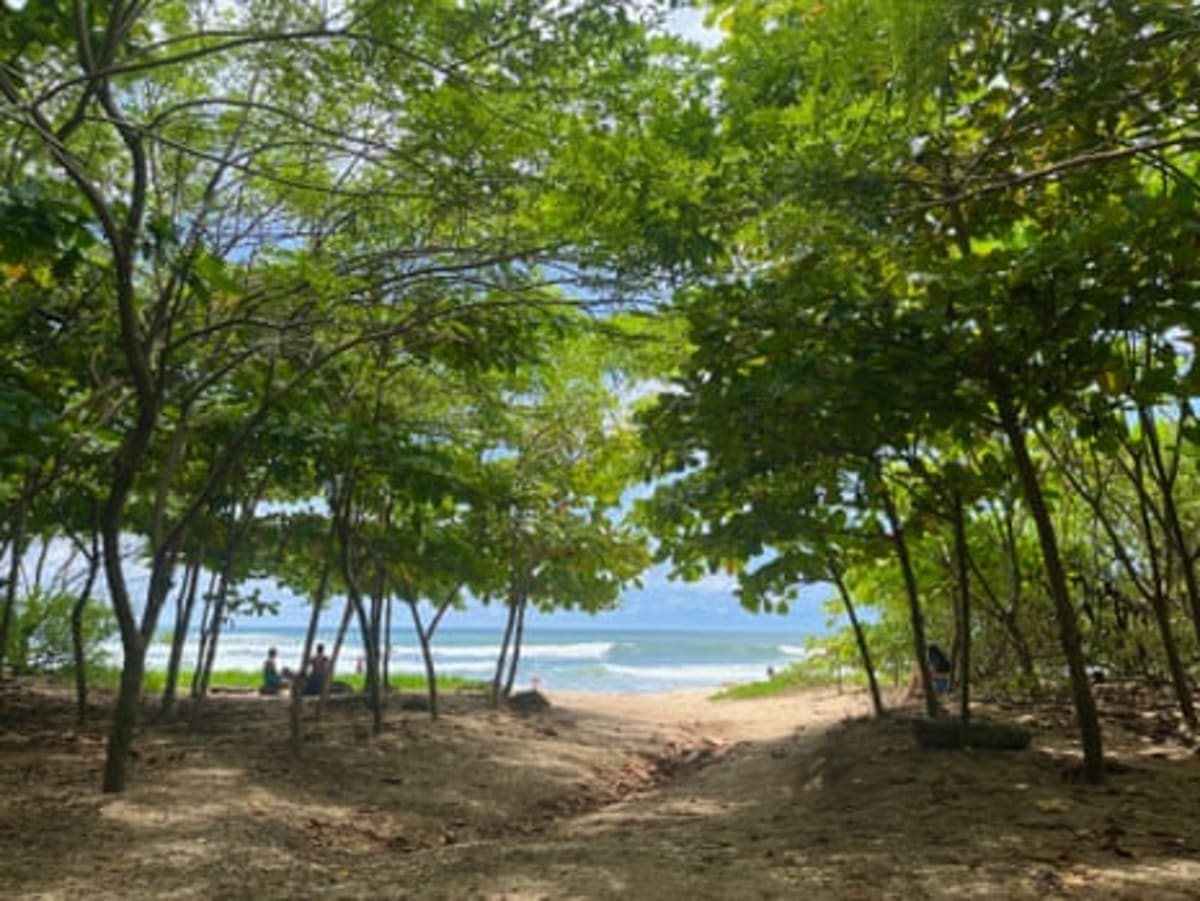
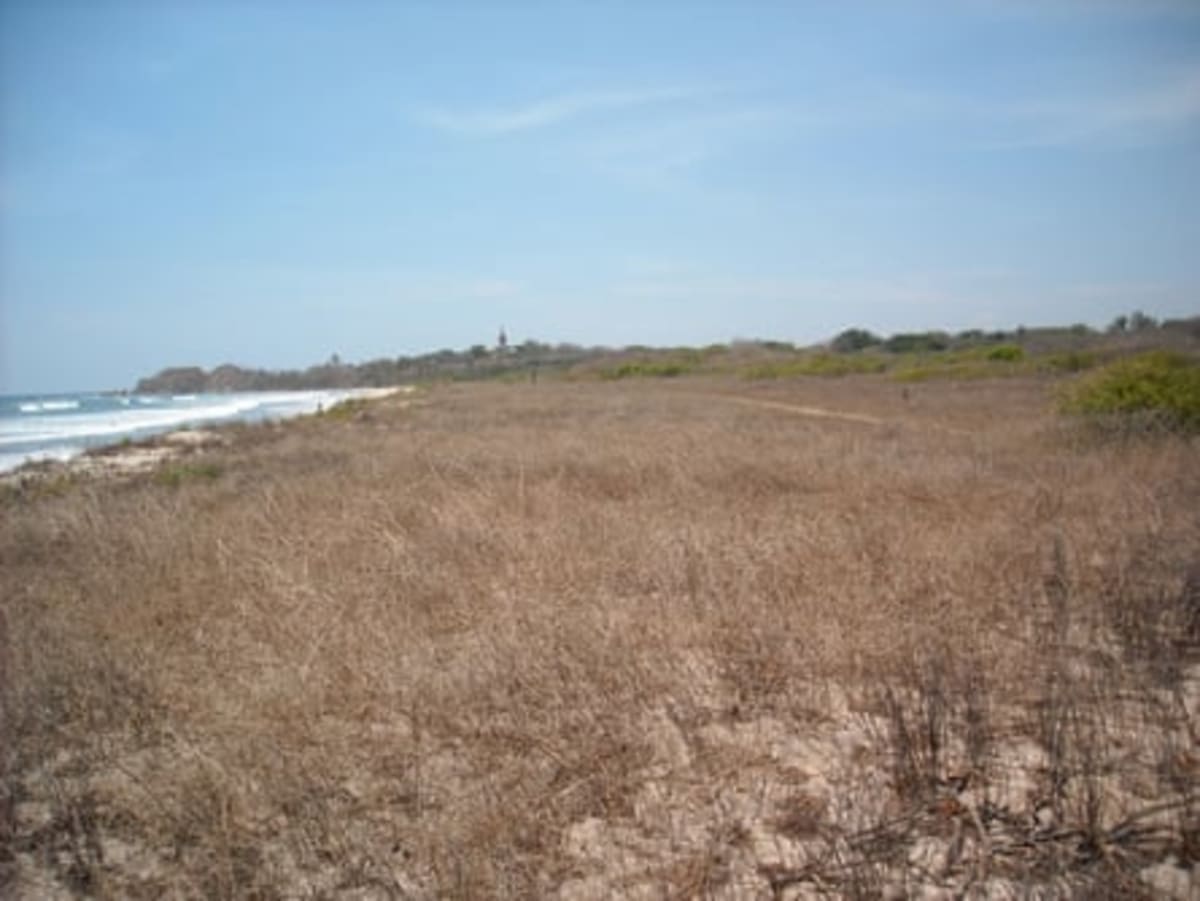
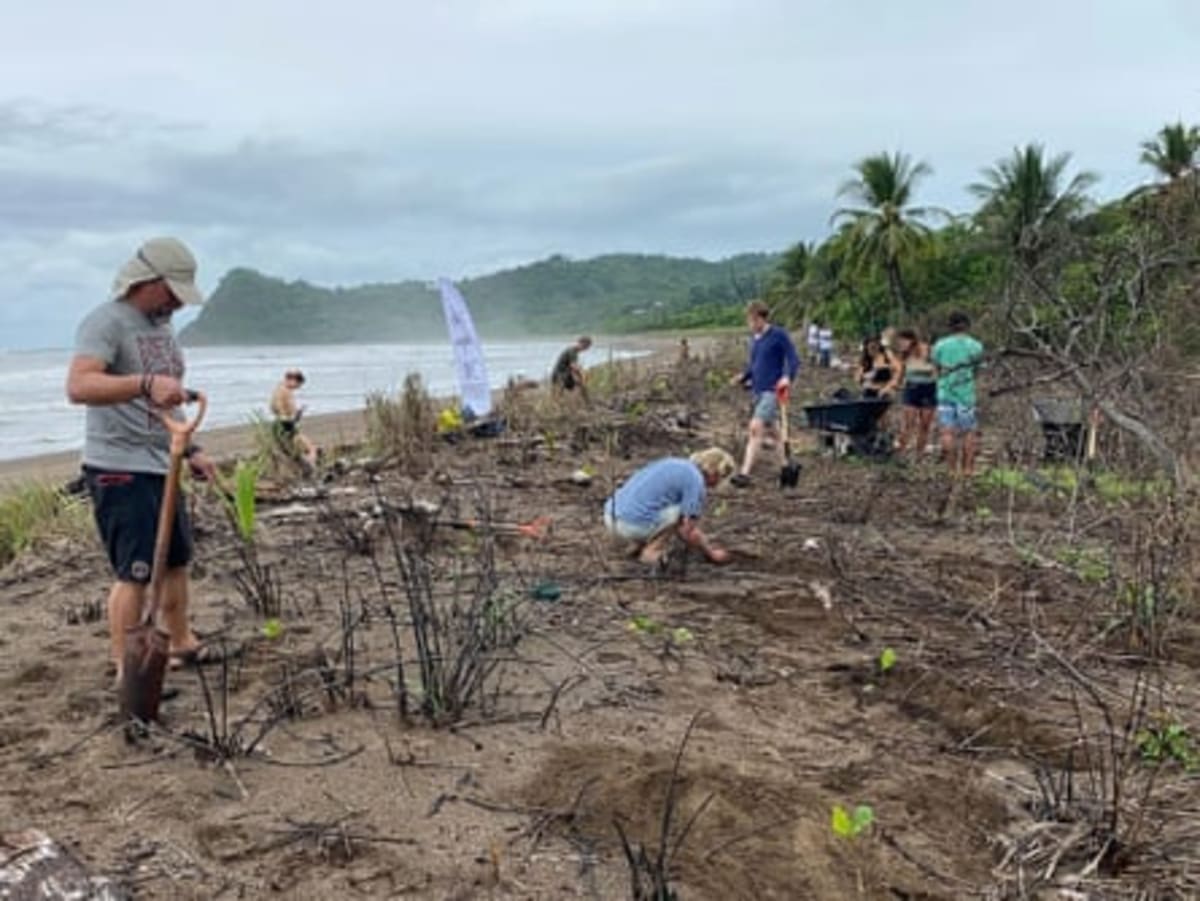
With no government programs to restore these coastal areas, Tattenbach started a tree nursery in Nosara and recruited friends to help plant. Gerardo Bolaños, who joined as a volunteer in 2011 and now serves as executive director, remembers the stark difference. Old photos show dry brown grass hugging empty shorelines where today lush forests offer shade and shelter.
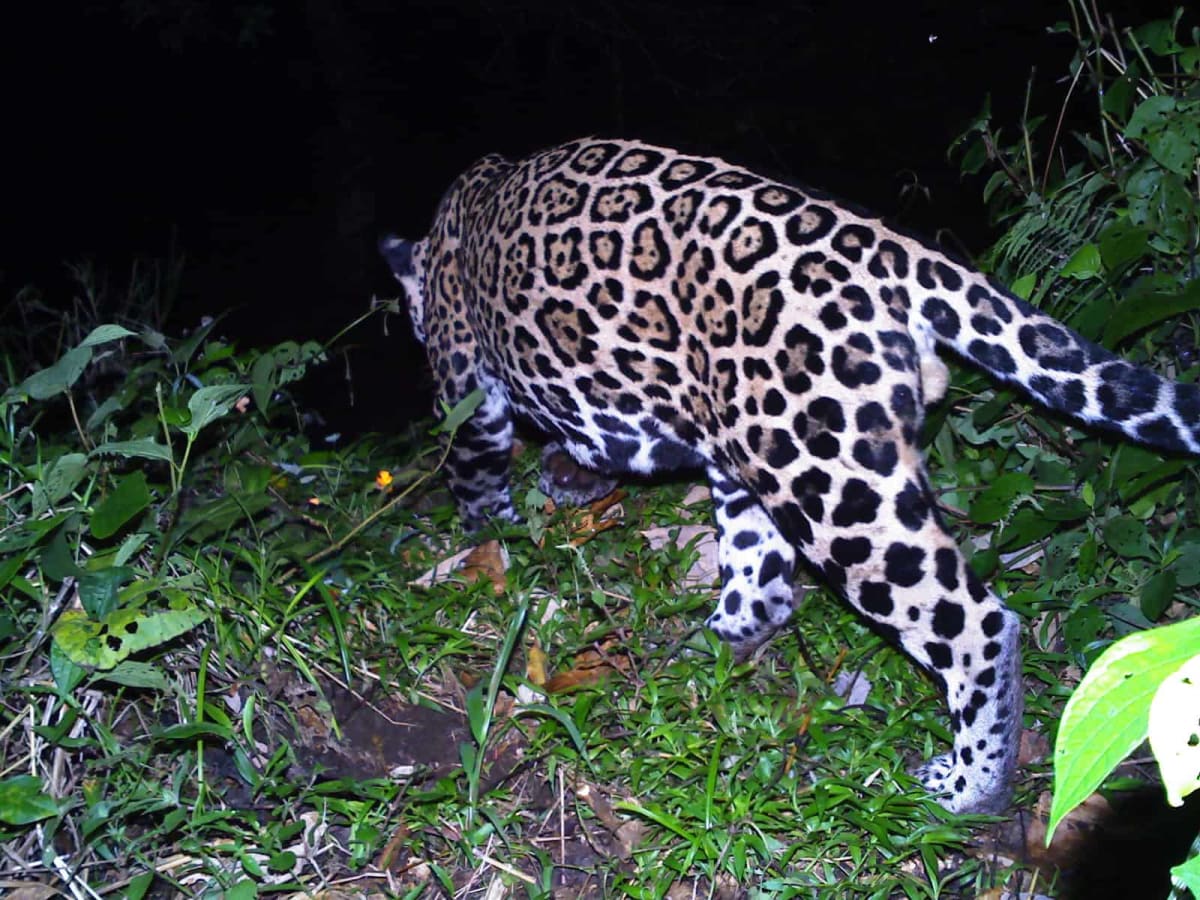
Walk along Playa Guiones now and you'll find thousands of tropical almond trees, madero negro, and frangipani lining the trails. Howler monkeys call from the canopy above beachgoers enjoying the restored shade.
The transformation required more than just planting. The soil had lost its ability to support new growth after decades of poor farming practices. The team had to rebuild the ecosystem from the ground up, selecting native species that could handle the degraded conditions and eventually support wildlife habitats.
The Ripple Effect
The project demonstrates how community-driven environmental work can succeed where government efforts stall. Costas Verdes operates entirely through volunteers and local support, proving that grassroots movements can reverse ecological damage on a massive scale.
Costa Rica strengthened its environmental laws in the 1970s and 1990s, including the 1977 maritime zoning law that protected 200-meter coastal strips as state property. But legislation alone couldn't heal the damaged land. It took individuals willing to dig in the dirt, plant seedlings in black plastic bags, and nurture them into forests.
The restored beaches now support returning wildlife populations and provide crucial habitat corridors along the coast. The forests also combat soil erosion and create natural buffers against storms, protecting coastal communities while giving locals and tourists alike the shade Tattenbach's girlfriend once wished for.
Sixteen years after that first promise, the proof stands tall in thousands of trees transforming barren shores into green oases, one seedling at a time.
More Images

Based on reporting by Google News - Reforestation
This story was written by BrightWire based on verified news reports.
Spread the positivity!
Share this good news with someone who needs it