Guinea-Bissau Islands Named UNESCO Heritage Site for Wildlife
A remote West African archipelago just earned global protection for its stunning biodiversity. The Bijagós Islands shelter nearly a million migratory birds and tens of thousands of nesting sea turtles.
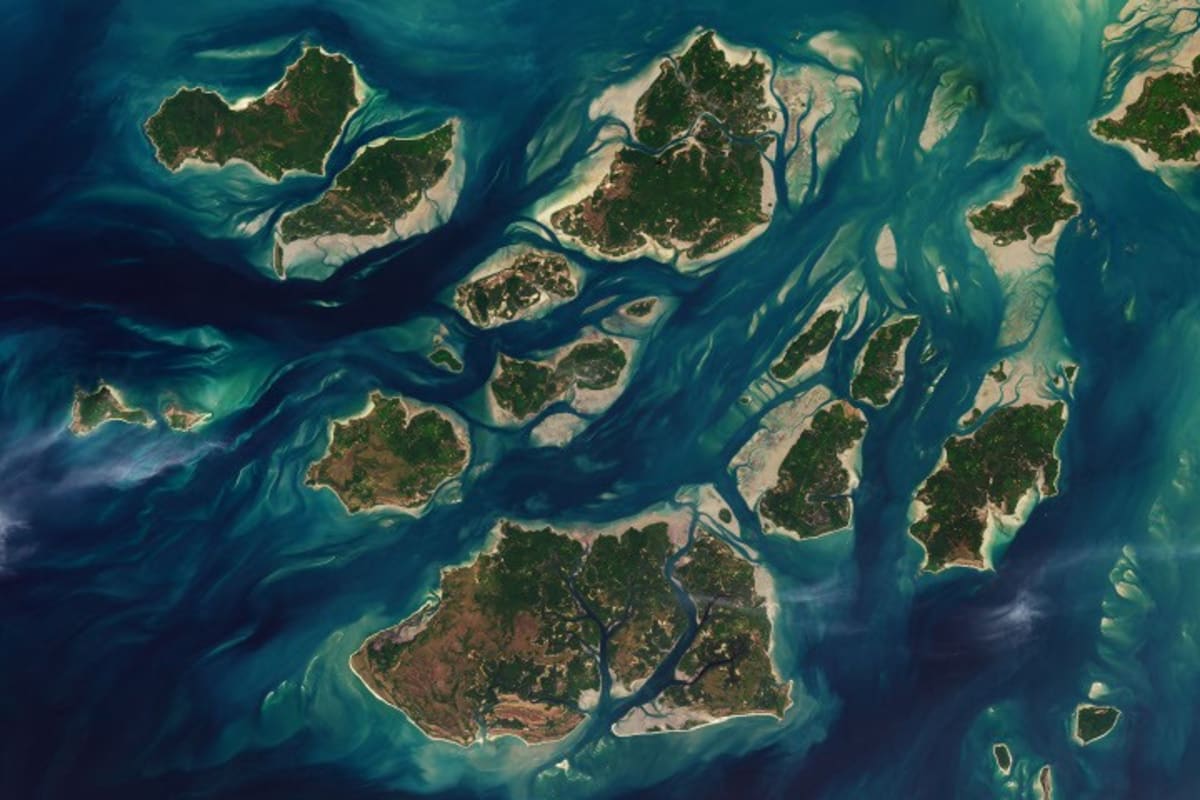
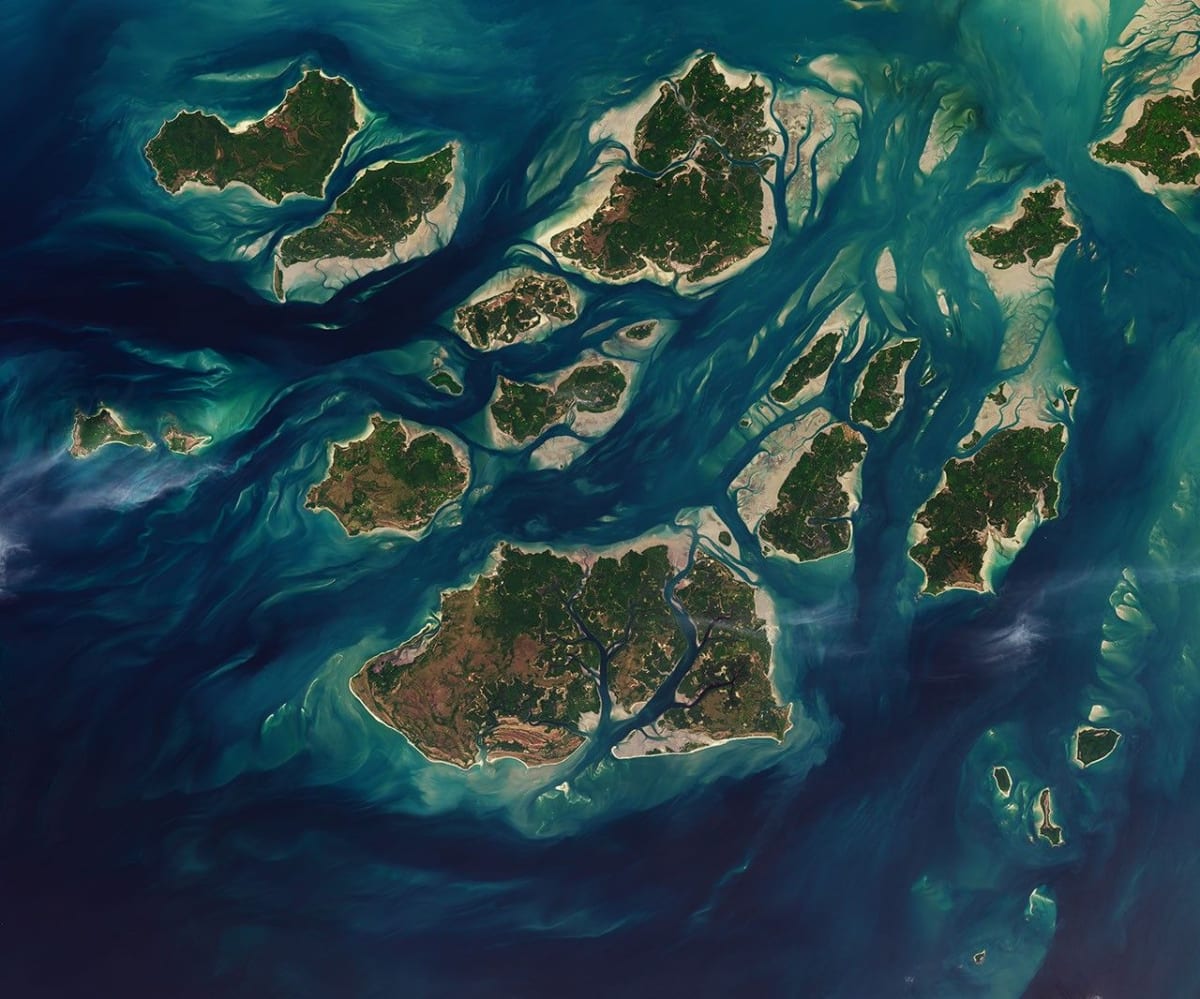
Twice a day, the islands of Guinea-Bissau's Bijagós Archipelago transform before your eyes. When the tide goes out, hidden sandbars and mudflats emerge from the ocean, doubling the size of shorelines and creating a banquet for nearly 870,000 hungry birds.
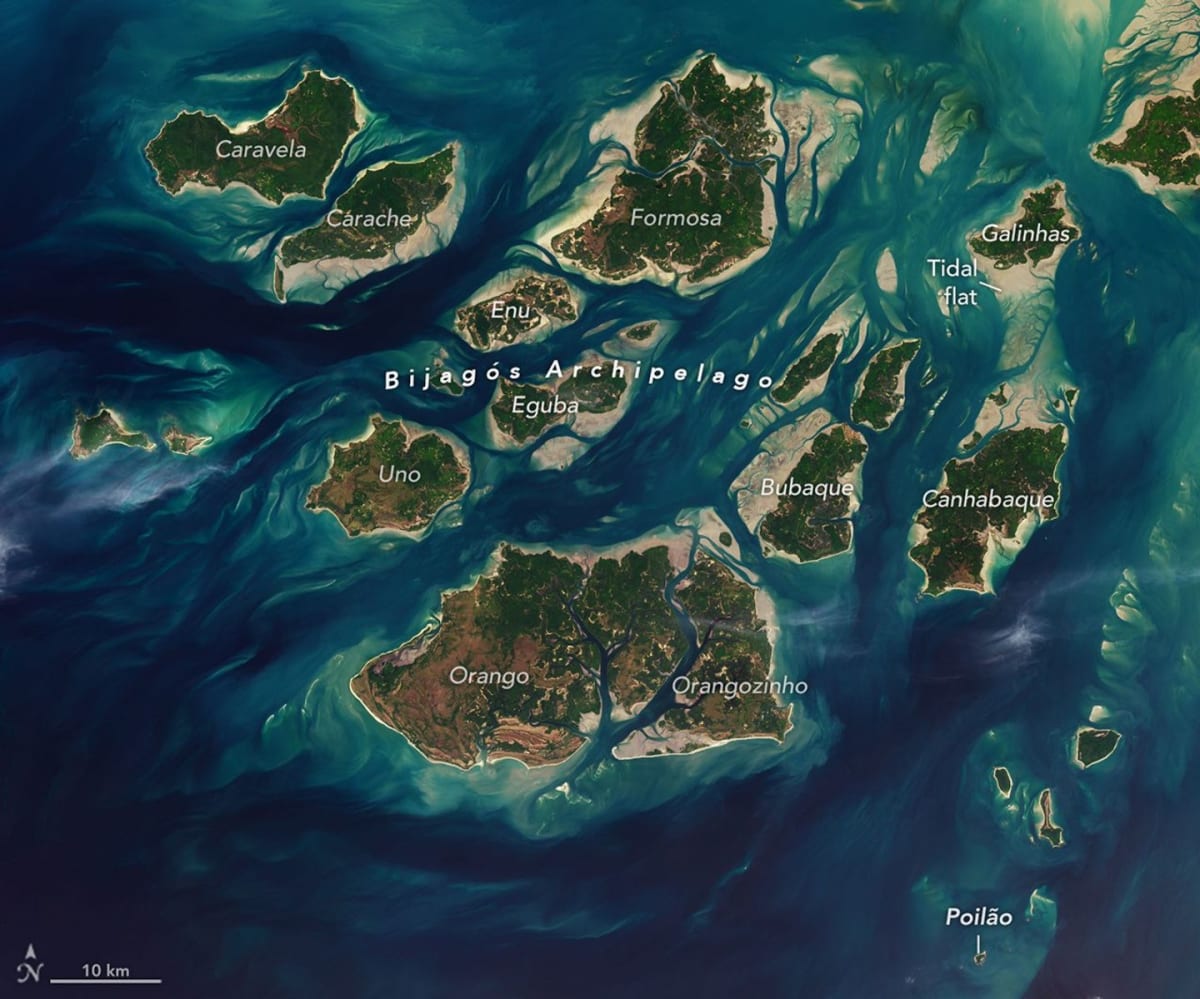
UNESCO recognized this natural wonder as a World Heritage site in 2025, protecting the only active river delta archipelago on Africa's Atlantic coast. The 88 islands and islets create a maze of mangrove forests, sandy beaches, and tidal channels that support one of West Africa's most important wildlife sanctuaries.
The secret to this abundance lies in the rhythm of the tides. Ocean waters rise and fall by up to 23 feet here, compared to just 3 feet along most of West Africa's coast. NASA satellites helped scientists understand why the region's shallow waters and coastal shape create such dramatic tidal swings.
Those powerful tides deliver constant waves of nutrients that feed marine worms, crustaceans, mollusks, and small fish. Hundreds of bird species traveling the East Atlantic Flyway stop here to refuel on this seafood buffet, making the archipelago a vital rest stop on their long migrations.
When high tide rolls in, dolphins and manatees swim deeper into the mangrove forests. Tens of thousands of green sea turtles paddle toward the beaches, searching for the perfect spot to nest. The tiny island of Poilão hosts one of the world's largest green sea turtle nesting populations.
Baby turtles face incredible odds after hatching. They dash across the sand at night while crabs, lizards, and birds give chase. Once in the water, they dodge barracudas, sharks, and rays lurking in the shallows. Scientists estimate less than 1 percent reach adulthood, making protected nesting sites like these absolutely critical.
The Ripple Effect: The UNESCO designation brings global attention and resources to protect these islands for future generations. Local communities have long recognized the archipelago's value, and now the world is catching up. Satellite monitoring from NASA's Landsat 8 helps scientists track how tides shape the landscape and support this explosion of life.
This recognition proves that remote places matter just as much as famous landmarks. The Bijagós Archipelago shows what happens when natural forces align perfectly to create something extraordinary.
More Images

Based on reporting by NASA
This story was written by BrightWire based on verified news reports.
Spread the positivity!
Share this good news with someone who needs it