Yellowstone Grizzlies Surge from 136 to 1,000 Bears
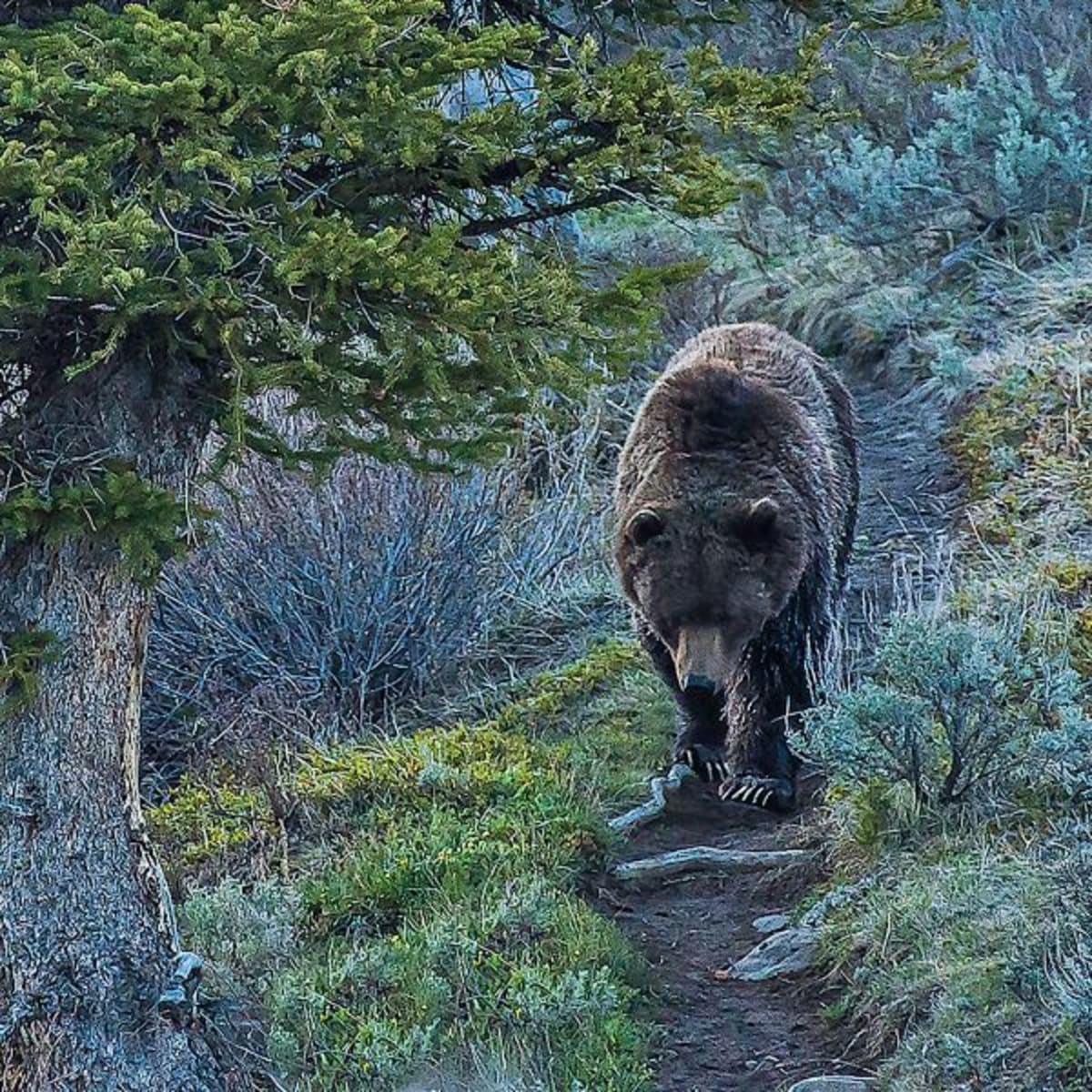
Grizzly bears in Greater Yellowstone have soared from 136 in 1975 to over 1,000 today, marking one of North America's greatest conservation comebacks. A new federal rule now empowers states and tribes to help manage this thriving population.
Grizzly bears are making one of the most remarkable comebacks in American wildlife history, and a new approach promises to keep that momentum going.
The U.S. Fish and Wildlife Service just welcomed a draft rule recognizing the incredible recovery of grizzly bears in the Greater Yellowstone area. The population has exploded from roughly 136 bears in 1975 to more than 1,000 today.
The new rule gives state and tribal wildlife agencies more direct responsibility for managing these recovering populations. They'll work alongside federal partners to handle conservation challenges in areas where grizzly numbers now exceed local targets.
"This rule reflects what successful conservation should look like—recognizing recovery while providing the tools needed to address the challenges that accompany it," said Gray N. Thornton, president and CEO of the Wild Sheep Foundation. His organization has championed wildlife restoration across North America for decades.
The change comes after years of legal gridlock. Grizzlies in Greater Yellowstone have met the biological criteria for recovery under the Endangered Species Act, but delisting efforts have stalled in courts over procedural questions.
The Ripple Effect
This conservation win didn't happen overnight. Generations of wildlife professionals, researchers, state agencies, and tribal partners devoted entire careers to bringing grizzlies back from the brink.
Their success offers a blueprint for other struggling species. The same conservation model helped restore North American bighorn sheep from about 25,000 in the mid-20th century to more than 85,000 today.
The new management approach means conservation can keep advancing on the ground instead of getting stuck in courtrooms. State and tribal agencies bring local knowledge and can respond faster to changing conditions where people and bears share the landscape.
Secretary Doug Burgum and Director Brian Nesvik earned praise for advancing this science-based approach that balances thriving wildlife with the needs of communities living alongside recovering bear populations.
The rule proves that conservation never means mission accomplished. Success means adapting management as populations grow and conditions change, ensuring wildlife and people can thrive together for generations to come.
Based on reporting by Google News - Conservation Success
This story was written by BrightWire based on verified news reports.
Spread the positivity!
Share this good news with someone who needs it