Grizzly Bears Rebound from 700 to 2,000 in 50 Years
Once teetering on the edge with just 700 bears in 1975, grizzly populations in the American West have tripled to more than 2,000 thanks to science-driven conservation. New federal rules now empower states to lead the next chapter of this remarkable recovery story.
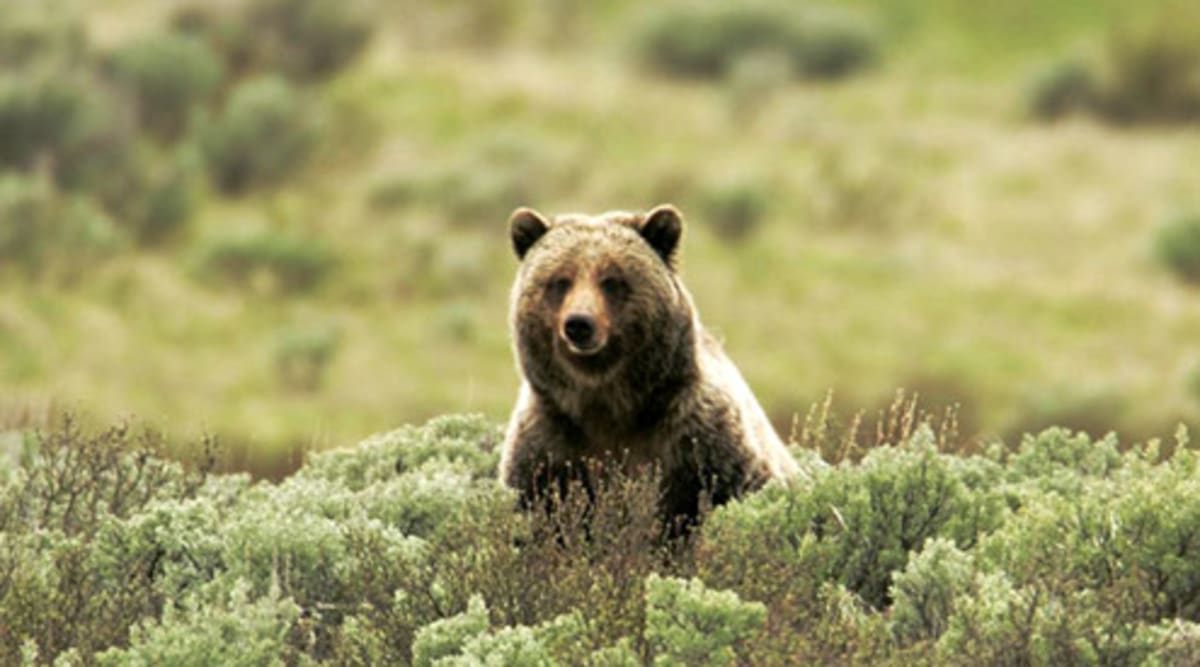
The grizzly bear is making one of the most remarkable comebacks in American conservation history, and new federal guidelines are handing the success story to the states that helped make it happen.
Grizzly bears in Wyoming, Montana, and Idaho have surged from a desperate low of 700 animals in 1975 to more than 2,000 today. The Greater Yellowstone Ecosystem alone saw its population explode from just 136 bears to over 1,000 in the same timeframe.
The U.S. Fish and Wildlife Service just proposed revisions that would give state wildlife agencies greater control over grizzly management while keeping federal protections in place. The bears remain listed as threatened under the Endangered Species Act, but the new approach recognizes how far they've come.
"Grizzly bears are an iconic fixture of the American West and the species' recovery is a testament to the efficacy of the Endangered Species Act," said Collin O'Mara, president of the National Wildlife Federation. The organization credits strong partnerships and science-based strategies for turning around what once looked like a losing battle.
The Ripple Effect
This isn't just about saving one species. The grizzly recovery shows what's possible when federal agencies, state wildlife departments, tribal governments, researchers, and everyday citizens work together over decades.
State wildlife federations across the West are calling the new rules a milestone. Wyoming's Jess Johnson described it as "a win worth celebrating" that sets the stage for states to take on greater responsibility. Idaho's Nick Fasciano says the flexibility gives states tools to build "a truly durable future" for grizzlies.
Montana Wildlife Federation wants to ensure the transition includes rigorous monitoring, habitat protection, and transparent mortality tracking. The goal isn't just recovery, but keeping bears recovered for generations.
The innovative approach was developed nearly a decade ago and represents a shift from pure protection to active management. It treats conservation as an ongoing commitment rather than a finish line.
From 700 bears scattered across three states to thriving populations anchored by over 1,000 in Yellowstone alone, the grizzly's journey proves that patient, collaborative conservation works.
Based on reporting by Google News - Conservation Success
This story was written by BrightWire based on verified news reports.
Spread the positivity!
Share this good news with someone who needs it