Digital Zones Help Tech Companies Expand Across Africa
New digital special economic zones are making it easier for global tech companies to set up, hire talent, and operate across Africa's 1.5 billion person market. These cloud-based business hubs cut through red tape, turning years of bureaucracy into days.
For years, global tech companies have eyed Africa's 1.5 billion people as the next frontier, only to get stuck in a maze of regulations, currency issues, and endless paperwork that turned excitement into frustration.
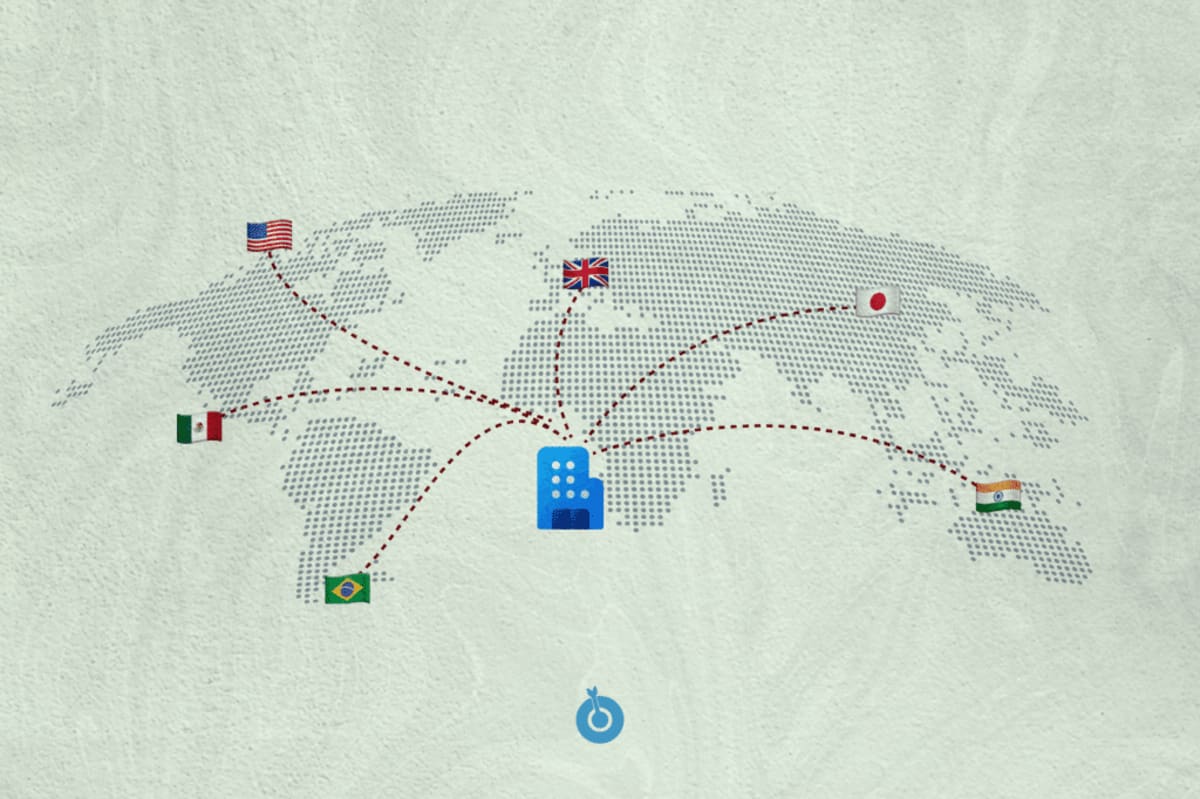
That's changing fast. Digital Special Economic Zones are cutting through the red tape, letting companies launch operations across Africa from anywhere in the world without stepping foot on the continent.
Think of it as a business in the cloud. Unlike traditional special economic zones tied to physical locations, DSEZs like Itana use existing free zone laws to create stable, predictable digital environments where companies can incorporate, hire, and operate entirely online.
Mayowa Olugbile, CEO of Itana, explains it simply: instead of spending two years navigating bureaucracy to open one office, companies can now establish legal entities, access talent pools, and handle payments through a single digital platform. They can test the market and build teams before committing to massive infrastructure costs.
The shift represents a fundamental change in how global expansion works. Rather than forcing Western business models onto African markets, the new approach treats Africa as a partner ecosystem of founders, developers, and regulators working together.
Africa's real challenge has never been lack of opportunity. The continent has explosive demand and a growing pool of talented developers and designers. The problem has been access, with companies facing different rules in each country and cross-border payments that can be wildly unpredictable.
Speed matters in tech. When expansion takes too long, companies simply choose other markets. Digital zones solve this by offering faster setup times, standardized processes, and predictable compliance frameworks that make Africa competitive in the global race for tech investment.
The Ripple Effect
The impact goes beyond making life easier for Silicon Valley giants. By removing barriers to entry, digital zones unlock opportunities for African talent who were previously locked within national borders, unable to work for international companies without complicated legal structures.
Companies can now hire developers across multiple African countries through one entity, paying talent reliably while operating without setting up dozens of local offices. This creates jobs, builds expertise, and helps African tech workers access the global market.
Physical infrastructure is following the digital foundation. Places like Alaro City in Lagos are being built with 24/7 power, dual-fiber internet, and co-living spaces designed specifically for tech founders and teams.
The old playbook treated Africa as 1.5 billion potential customers to extract value from. The new playbook sees 1.5 billion partners to build with, and digital zones are making that collaboration finally possible.
More Images


Based on reporting by Techpoint Africa
This story was written by BrightWire based on verified news reports.
Spread the positivity!
Share this good news with someone who needs it