Disabled Australians Redefine Love, Sex, and Parenthood
In a groundbreaking documentary, disabled Australians share their powerful stories of intimacy, family, and breaking down barriers. Their experiences challenge harmful stereotypes and celebrate the universal right to love and connection.
When Jacqueline Tedmanson went into labor on a stormy February night in Adelaide, she wasn't worried about her genetic condition passing to her baby. She was excited to meet her son, hoping he'd be funny rather than just healthy.
Jacqueline has Ehlers-Danlos syndrome, a painful condition that causes joint dislocations and requires daily mobility aids. She knows her son might inherit it, but that doesn't scare her because she can guide him through something she's lived herself.
"If he has this genetic disability, I'm going to be able to support him because I've been through it myself," Jacqueline said. Her confidence comes from understanding what many others don't: disabled people can be amazing parents.
Debra Keenahan felt the same way when she became pregnant. She has achondroplasia, commonly known as dwarfism, and actually hoped her baby would share her condition.
As a single parent standing four feet one inch tall, Debra worried about raising a six-foot teenager she couldn't physically manage. When her daughter Sarah was born with achondroplasia too, Debra felt relieved and perfectly equipped to parent her.
These stories are part of a new documentary where comedian Madeleine Stewart explores love, sex, and family life in Australia's disabled community. The project tackles topics many people feel uncomfortable discussing.
Why This Inspires
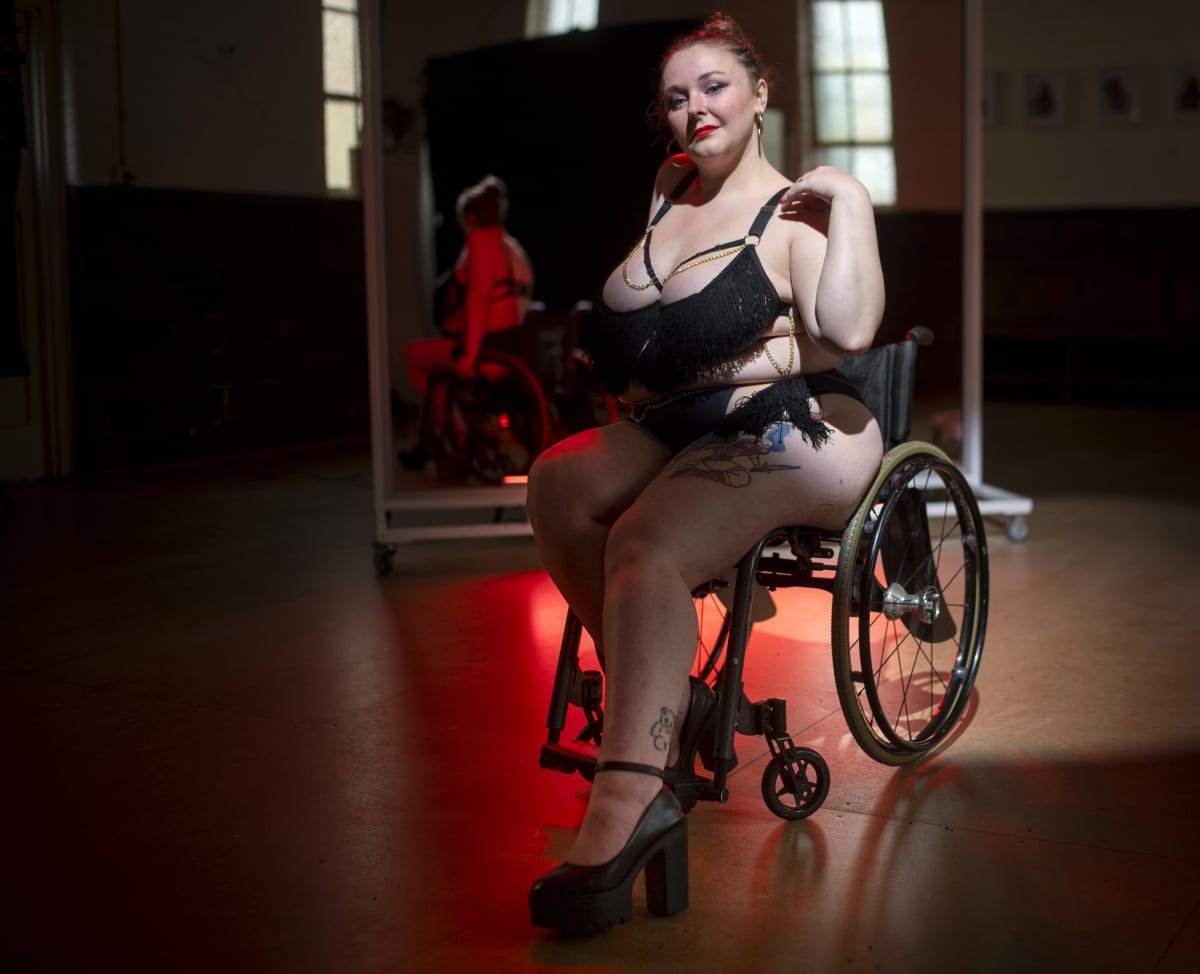
People with disabilities make up 21 percent of Australia's population, yet their romantic and family lives remain largely invisible. Jacqueline performs burlesque under the name Diana Divine, showing that mobility aids can be sexy and powerful.
Kyle Montgomery, who became paralyzed seven years ago after a wrestling accident, speaks openly about navigating intimacy with an acquired disability. His honesty about the challenges helps break down the silence surrounding disabled sexuality.
These stories matter because they challenge the harmful idea that disabled people are somehow less deserving of love, intimacy, and family. When Jacqueline uses her walker while out with her baby, strangers often assume she's not the mother, revealing how deeply these prejudices run.
The documentary reminds us that disabled Australians aren't asking for special treatment. They're simply claiming the same fundamental human experiences everyone deserves: falling in love, having sex, raising children, and being seen as whole people with desires and dreams.
More Images


Based on reporting by ABC Australia
This story was written by BrightWire based on verified news reports.
Spread the positivity!
Share this good news with someone who needs it