Disney Engineers Build Walking Olaf Robot for Paris Park
Disney just solved one of robotics' toughest challenges: making a snowman with a giant head and twig arms walk without falling over. The breakthrough robot debuts at Disneyland Paris this month.
Disney engineers just cracked a problem that's been stumping roboticists for years, and they did it to bring a beloved snowman to life.
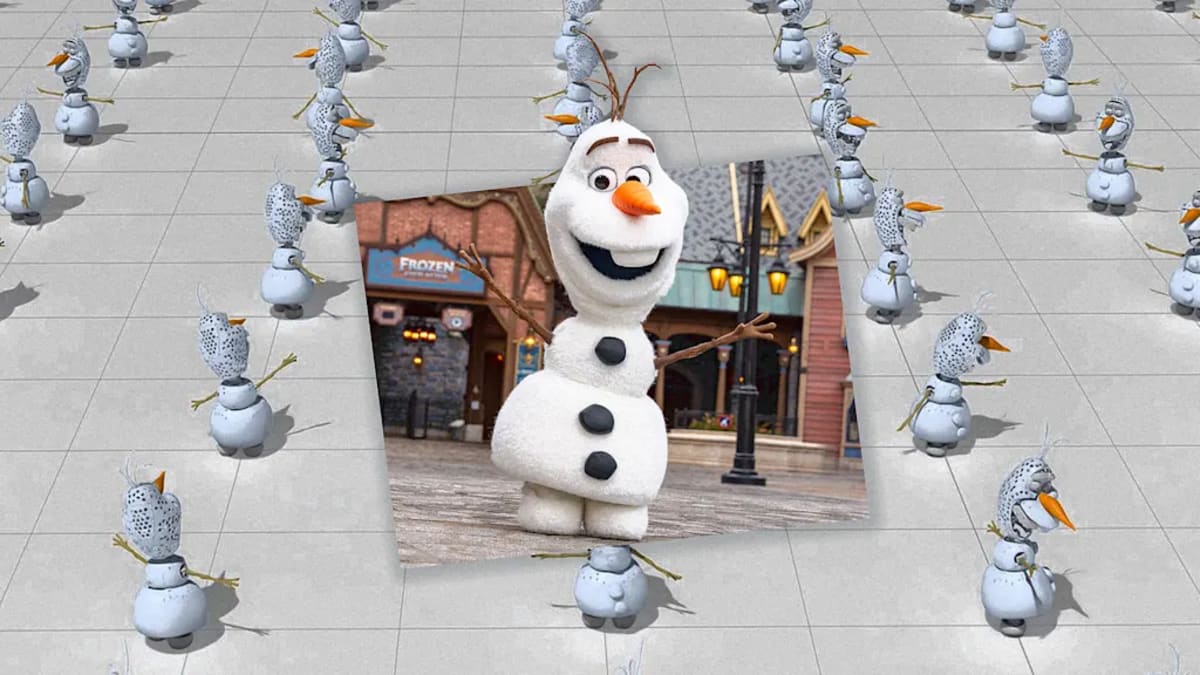
When Olaf from Frozen arrives at Disneyland Paris on March 29, he'll be the world's first walking robot designed with completely backward anatomy. The 35-inch-tall creation weighs 33 pounds and features a design so unusual that Disney had to invent entirely new walking technology to make it work.
Here's the challenge: most walking robots rely on balanced, symmetrical bodies to stay upright. Olaf is the opposite of that. He has an enormous heavy head balanced on a toothpick neck, floating snowball feet, and arms made from actual twigs.
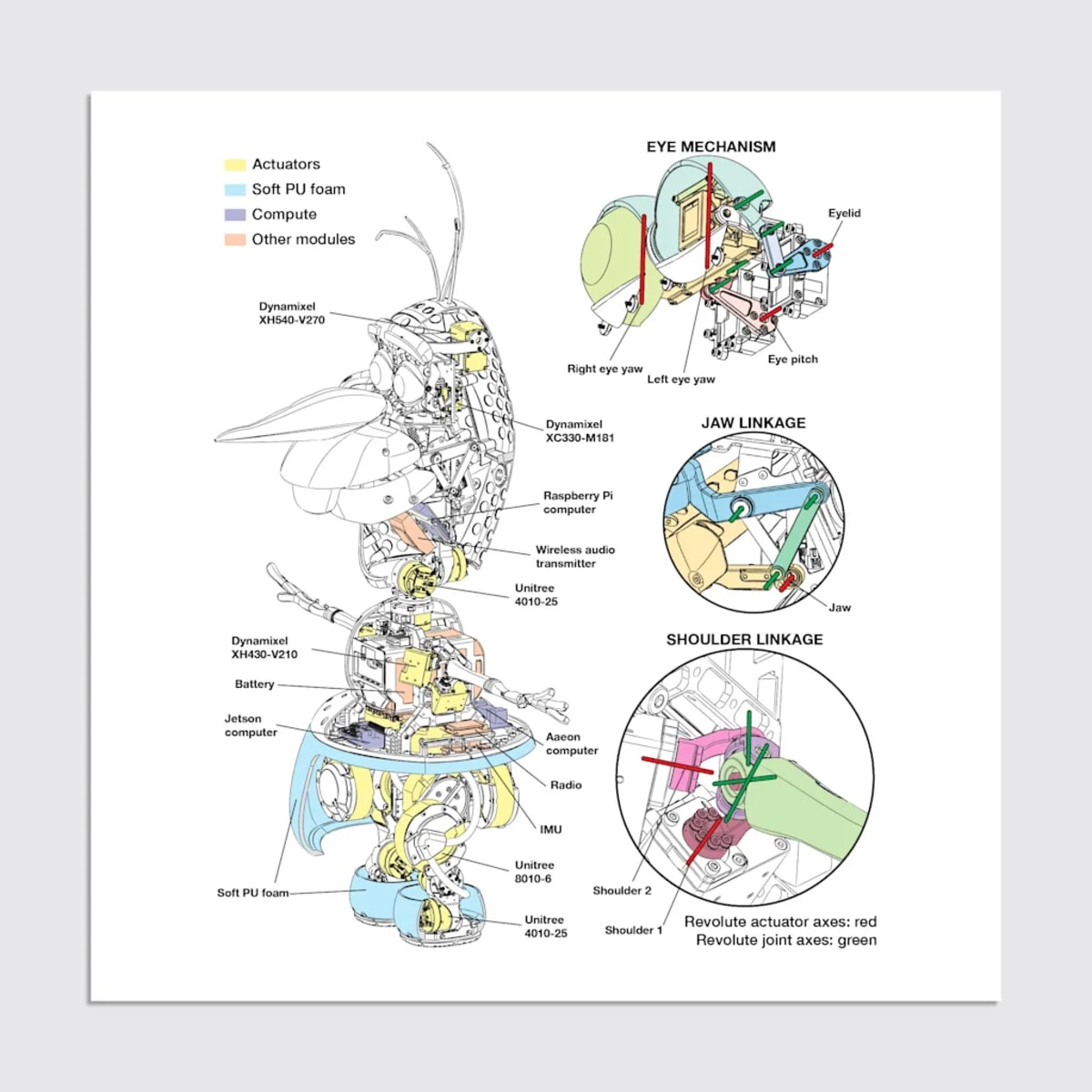
Disney Imagineering's team, led by David Müller, built the legs backward to each other to solve the problem. The left leg has a backward-facing hip and forward knee, while the right leg reverses that pattern. This bizarre setup keeps the metal joints from crashing into each other inside Olaf's tiny lower body when he walks.
The team didn't stop at mechanics. They used deep reinforcement learning to teach Olaf how to move like his animated counterpart, capturing what they call "the creators' intent" rather than just copying movements. The robot had to learn balance while also managing heat, since its tightly packed electronics could literally melt themselves.
Disney even nailed the details that make Olaf magical. His exterior uses iridescent fibers that shimmer like fresh snow catching sunlight. Kids visiting the World of Frozen area can steal his detachable carrot nose, just like in the movie.
The Ripple Effect
This breakthrough reaches far beyond theme parks. The asymmetric leg design and learning systems Disney developed could help engineers build robots that work in tight spaces or handle unusual weight distributions. Medical devices, search and rescue machines, and assistive technology could all benefit from these innovations.
Disney published their findings in a research paper, sharing the technology with the robotics community instead of keeping it secret. That means other engineers can build on this work to create machines that help people in ways we haven't imagined yet.
When Olaf takes his first steps in Paris this month, he'll prove that the hardest engineering problems often have the most delightful solutions.
More Images
Based on reporting by Fast Company
This story was written by BrightWire based on verified news reports.
Spread the positivity!
Share this good news with someone who needs it