Disney's Olaf Robot Learns to Move Like the Real Thing
A lifelike Olaf robot is heading to Disney parks after training 100,000 virtual copies to master the lovable snowman's signature waddle in just two days. Disney says this breakthrough could fill entire theme park lands with interactive characters in months instead of years.
Disney just cracked the code on making robots move like beloved animated characters, and a walking, talking Olaf from Frozen is proving it works.
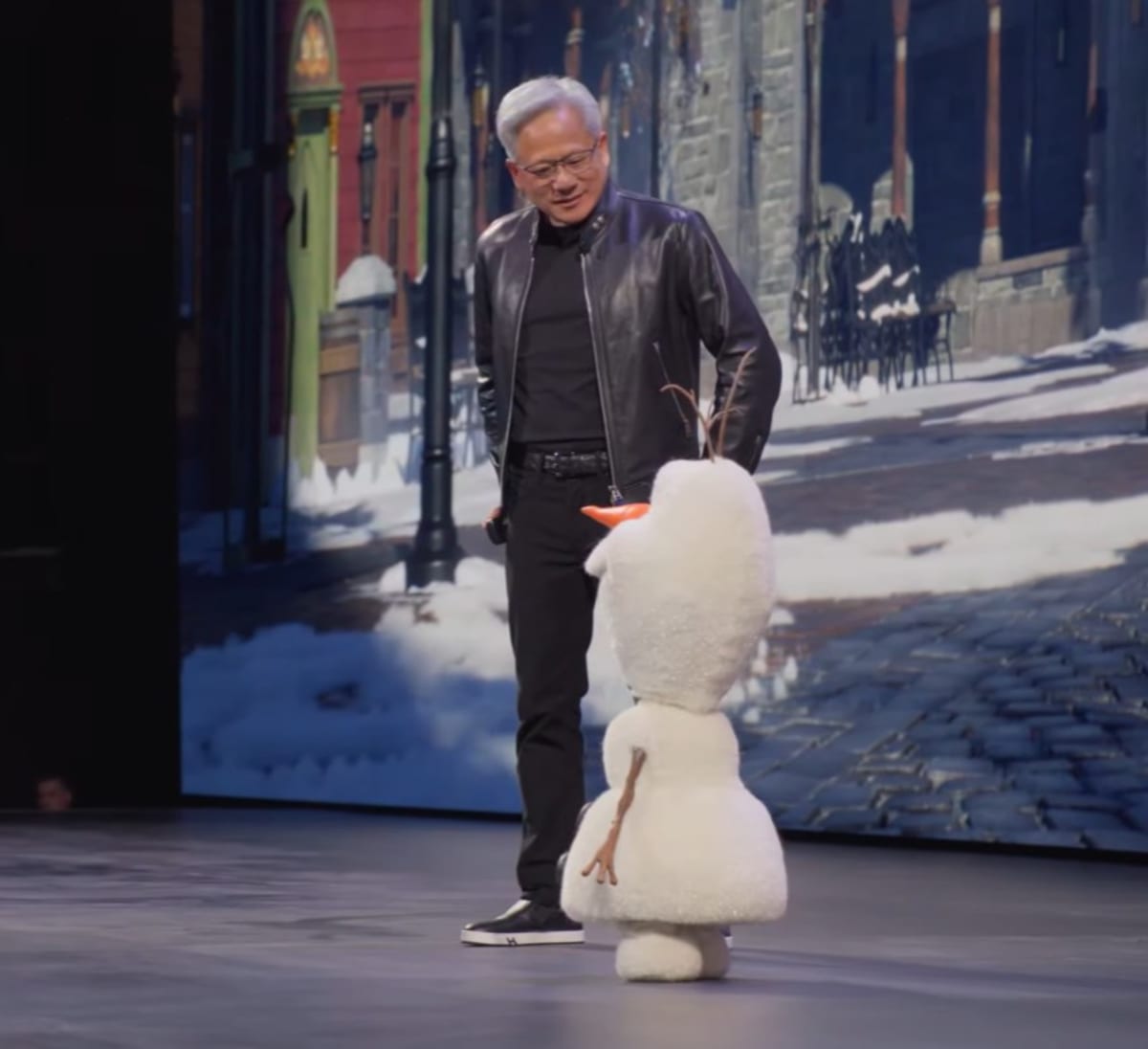
The 35-inch snowman robot debuts at Disneyland Paris on March 26th, bringing Frozen's most huggable character to life in a way that makes you forget he's made of metal and computers. When Olaf waddles around the park, his eyes lead every movement just like a real living creature would, creating an illusion so convincing that people instinctively think of him as "he" rather than "it."
Disney's secret weapon sounds like science fiction. Engineers created 100,000 virtual copies of Olaf inside a computer simulation and let them teach themselves how to move like the on-screen character. Using gaming technology powered by Nvidia, the virtual snowmen practiced for two days until they nailed Olaf's signature moves without overheating joints or clomping too loudly.
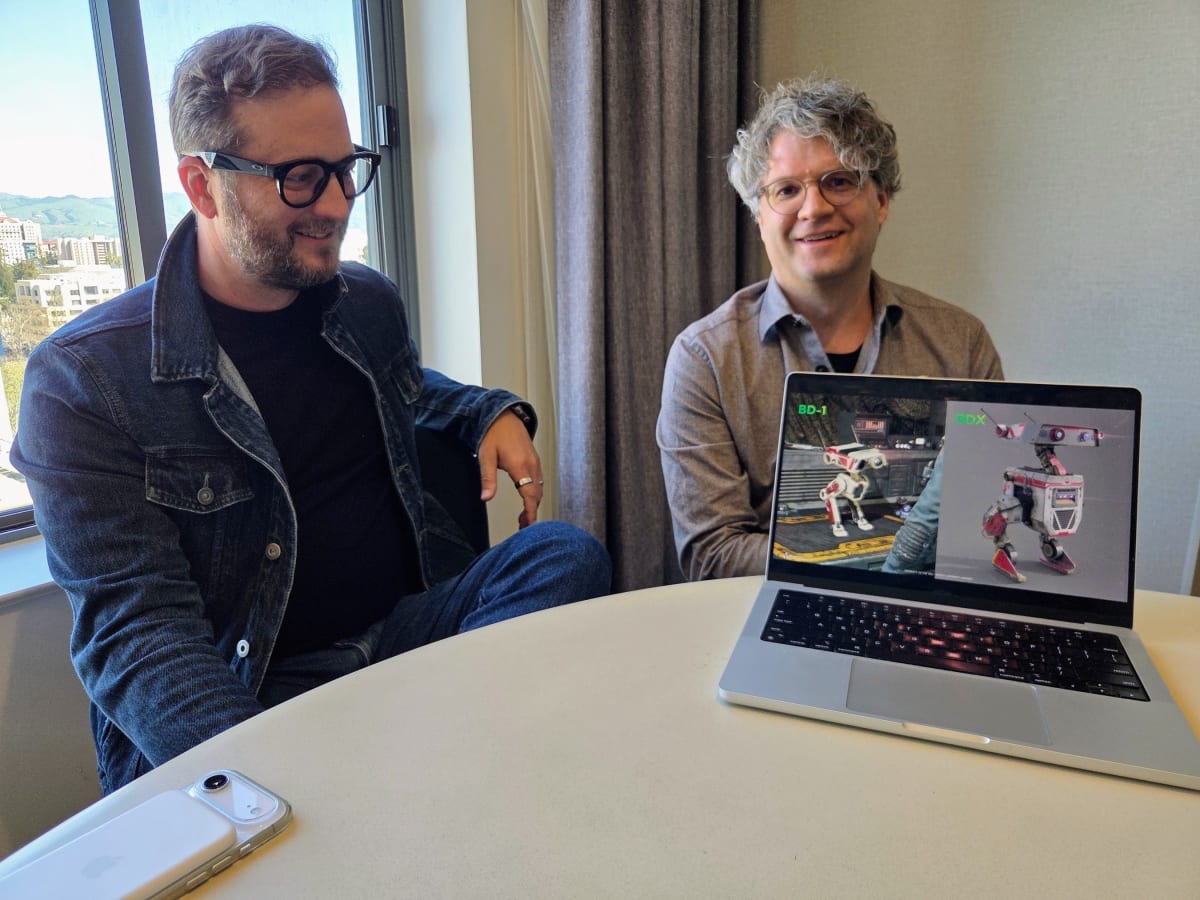
"This absolutely is the future of how we're building robot characters," says Kyle Laughlin, Disney's senior vice president of research and development. The new approach lets Disney build entire robots in months instead of the years it used to take.
The robot packs 25 actuators and three computers into his 33-pound frame, all hidden under a sparkly four-way-stretch costume that catches light like fresh snow. His carrot nose and stick arms attach magnetically so they can pop off for comic effect, just like in the movies.
Right now, a human operator controls Olaf using a Steam Deck gaming device, selecting from pages of pre-recorded dialogue from original voice actor Josh Gad. But the robot can also perform choreographed shows on his own, synced perfectly with Disney's live entertainment systems.
Why This Inspires
Disney isn't keeping this magic to itself. The company partnered with Nvidia and Google DeepMind to release its physics tools as open-source projects that any robotics team can use. By sharing the simulation technology that taught Olaf to move, Disney is helping advance an entire field of research.
The breakthrough solves problems that stumped engineers for years, like how to balance Olaf's oversized head on a tiny neck without burning out motors. The answer came from rewarding virtual Olafs who figured out gentler movements, the same way you'd teach a kid to walk quietly through the house.
Disney Research director Moritz Bächer says the tools plug directly into software that animators already know, letting creative teams design emotional performances while the simulation handles the physics. The goal is "believable autonomy" where guests truly feel they're meeting a living character.
Olaf's first performance will be on a rocking boat in front of the Disneyland Paris castle. Engineers built a mock boat just to teach him how to keep his balance on the waves, proving these robots can handle real-world challenges.
The dream of theme park lands filled with walking, talking characters just got a whole lot closer to reality.
More Images


Based on reporting by The Verge
This story was written by BrightWire based on verified news reports.
Spread the positivity!
Share this good news with someone who needs it