DIY Radio Telescope Lets You Detect Dark Matter at Home
A backyard radio telescope built for $70 proves anyone can measure the invisible force holding our galaxy together. Amateur astronomers are now confirming dark matter's existence from their own homes.
The universe's biggest mystery just became accessible to anyone with a backyard, a paint can, and $70 worth of radio equipment.
David Schneider, a journalist and amateur astronomer, recently built a homemade radio telescope that can detect the signature of dark matter. The invisible substance makes up most of our galaxy's mass, but until now, studying it required professional equipment at major observatories.
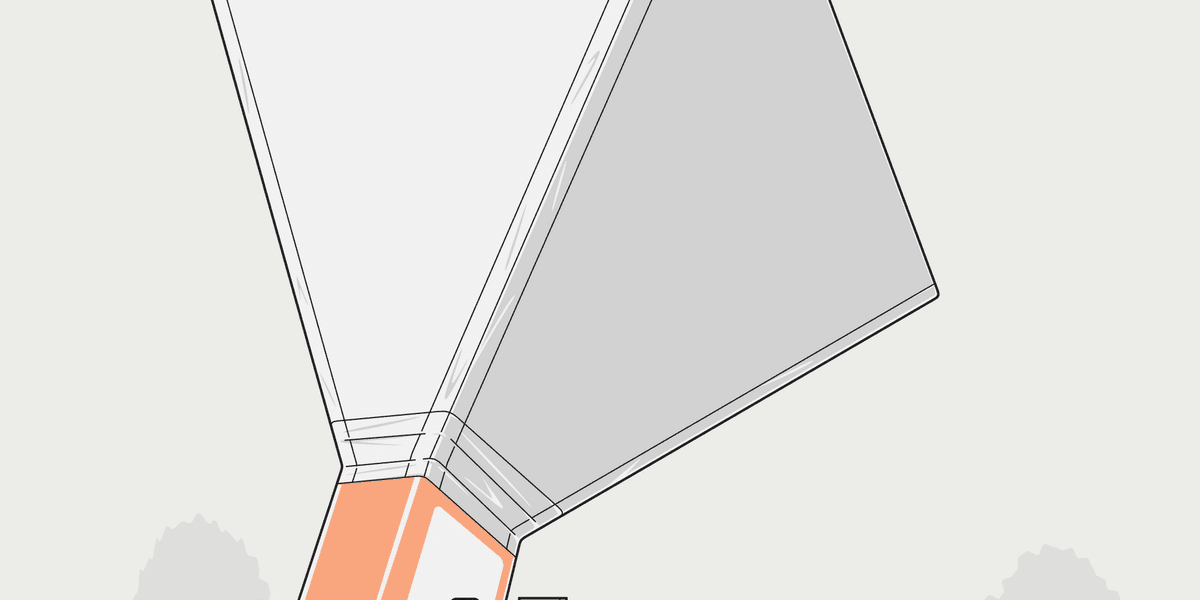
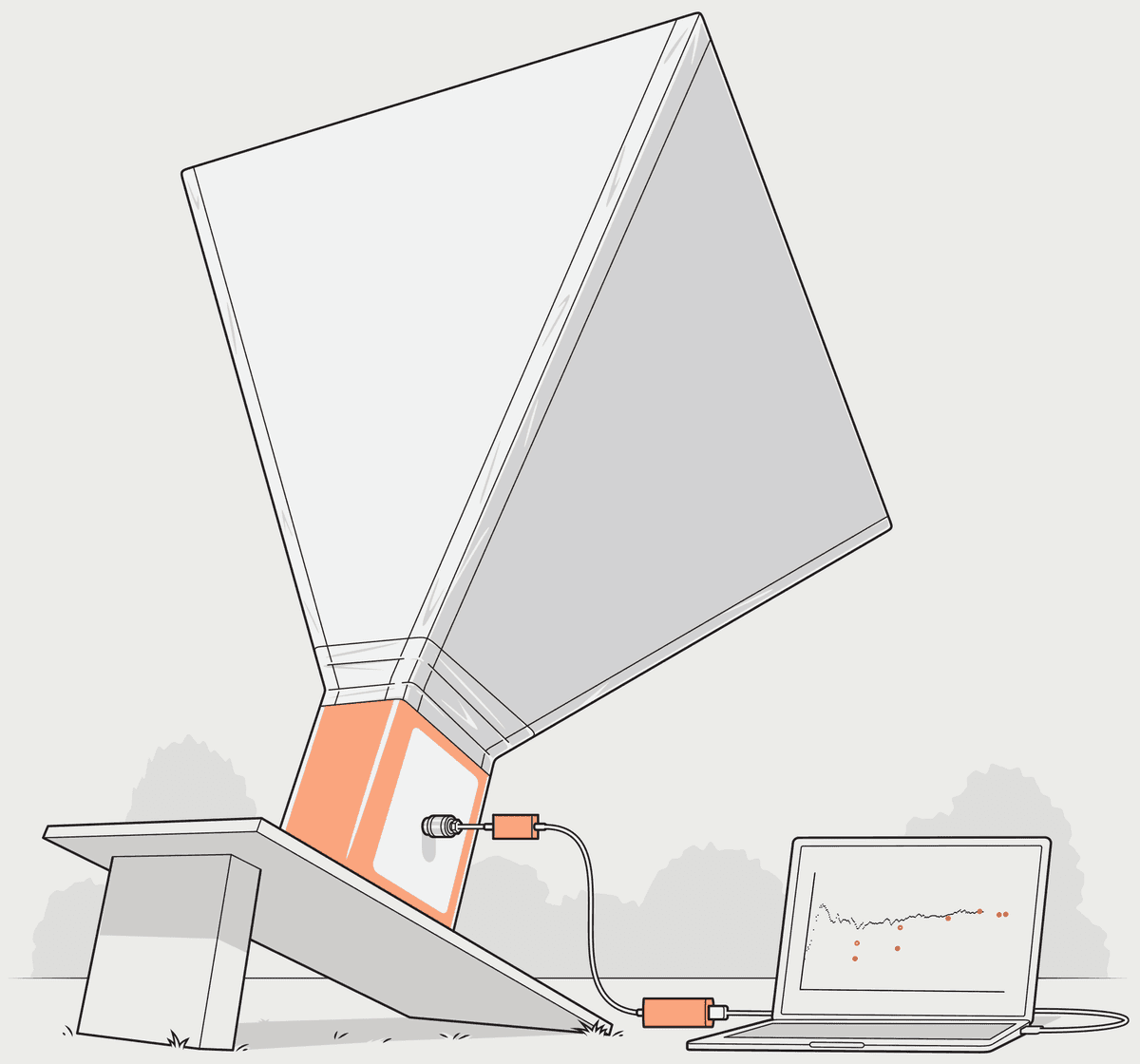
Schneider's setup uses a pyramidal horn antenna constructed from roof flashing and an empty paint can, plus some basic radio receivers. Total cost runs about $70, making cutting-edge astronomy available to everyday enthusiasts.
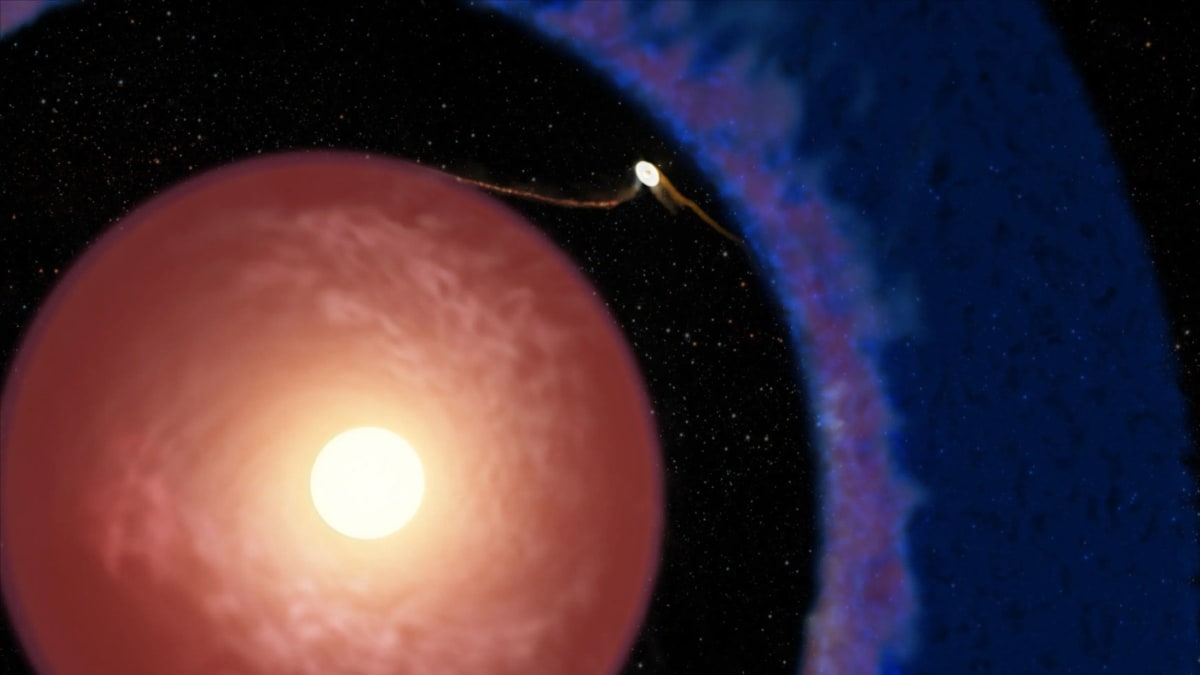
The telescope detects radio waves from hydrogen clouds scattered throughout the Milky Way. These clouds orbit our galaxy's center at speeds that reveal something profound: there's far more mass out there than we can see.
Here's what makes it work. If only visible stars and gas existed in our galaxy, objects farther from the center would orbit slower, just like Neptune crawls around the sun while Mercury races. But Schneider's measurements show hydrogen clouds maintain their speed regardless of distance from the galactic core.
That constant speed proves invisible matter must be spread throughout the galaxy, pulling everything along with its gravity. It's the same evidence professional astronomers use, now confirmed from someone's backyard.
The project builds on techniques first used in 1951 to detect interstellar hydrogen. Schneider pointed his antenna at different regions of the Milky Way, measuring how the Doppler effect shifted radio signals from approaching and receding clouds.
With simple trigonometry, those measurements convert into orbital speeds at various distances from the galaxy's center. The results matched data from professional observatories, confirming that dark matter's gravitational influence extends throughout our cosmic neighborhood.
Why This Inspires
This breakthrough democratizes science in the best possible way. For generations, studying the fundamental nature of the universe required access to multi-million dollar facilities and advanced degrees.
Now anyone curious about the cosmos can build equipment in their garage and contribute to humanity's understanding of existence. Students can verify dark matter's presence for science fair projects. Amateur astronomy clubs can host dark matter detection nights.
The project proves that some of science's biggest questions remain within reach of ordinary people armed with creativity and determination. Professional astronomers spent decades developing these techniques, but they work just as well with repurposed paint cans and roof flashing.
Schneider shared detailed instructions online, inviting others to replicate his work. Early reports suggest dozens of amateur astronomers have already started building their own dark matter detectors, creating a grassroots network of cosmic investigators.
The invisible force holding our galaxy together is no longer invisible to those willing to look up and listen.
More Images
Based on reporting by IEEE Spectrum
This story was written by BrightWire based on verified news reports.
Spread the positivity!
Share this good news with someone who needs it