DNA Computer Solves Problems in a Drop of Water
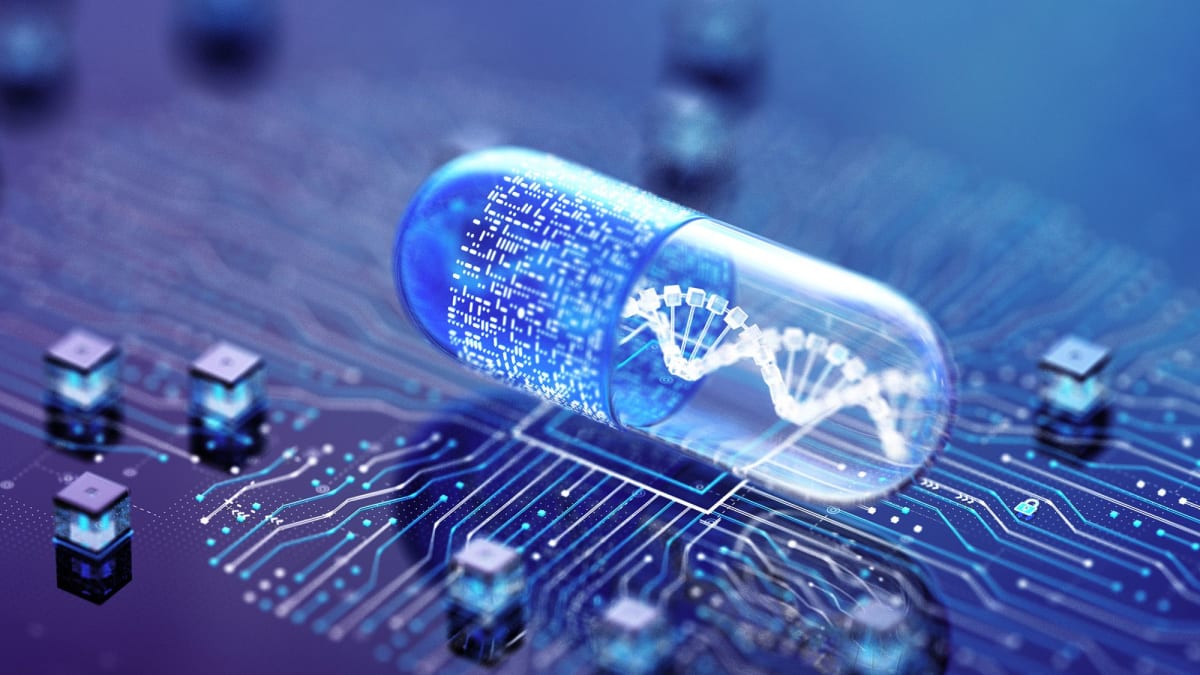
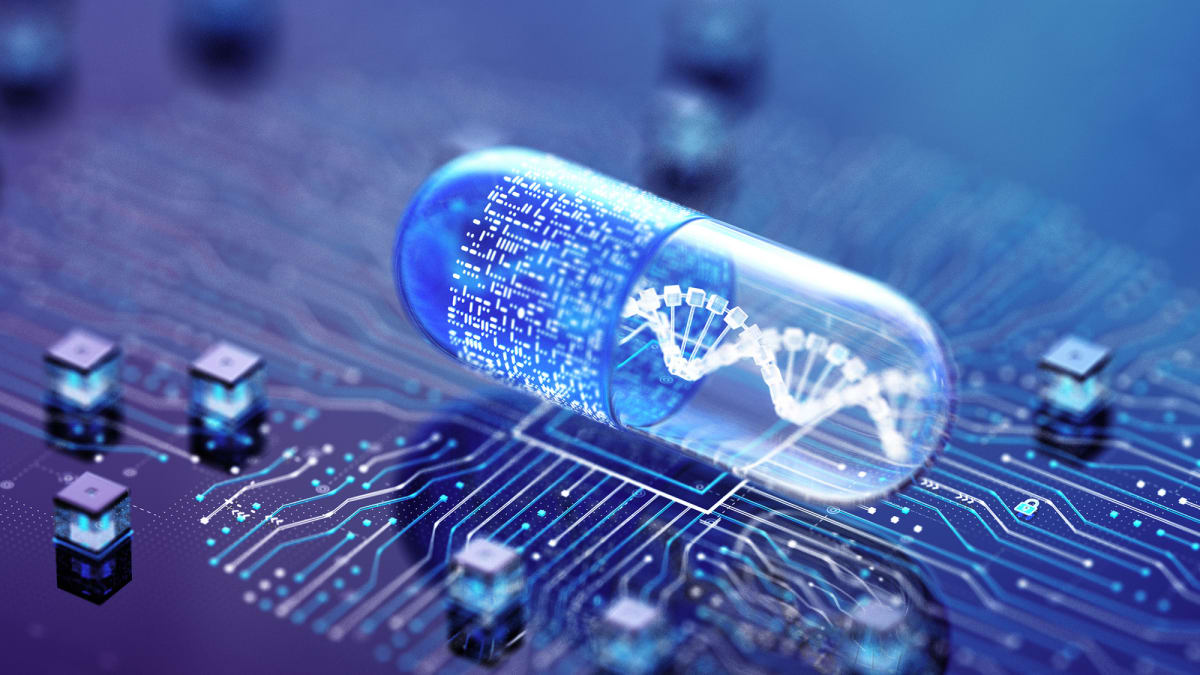
Scientists created a computer made entirely from DNA that performs calculations using billions of molecules in a tiny water droplet. The system uses less energy than traditional computers by letting physics guide molecules to the right answer.
Imagine a computer so small it fits in a water droplet, yet powerful enough to handle complex calculations using nothing but DNA strands competing for the best solution.
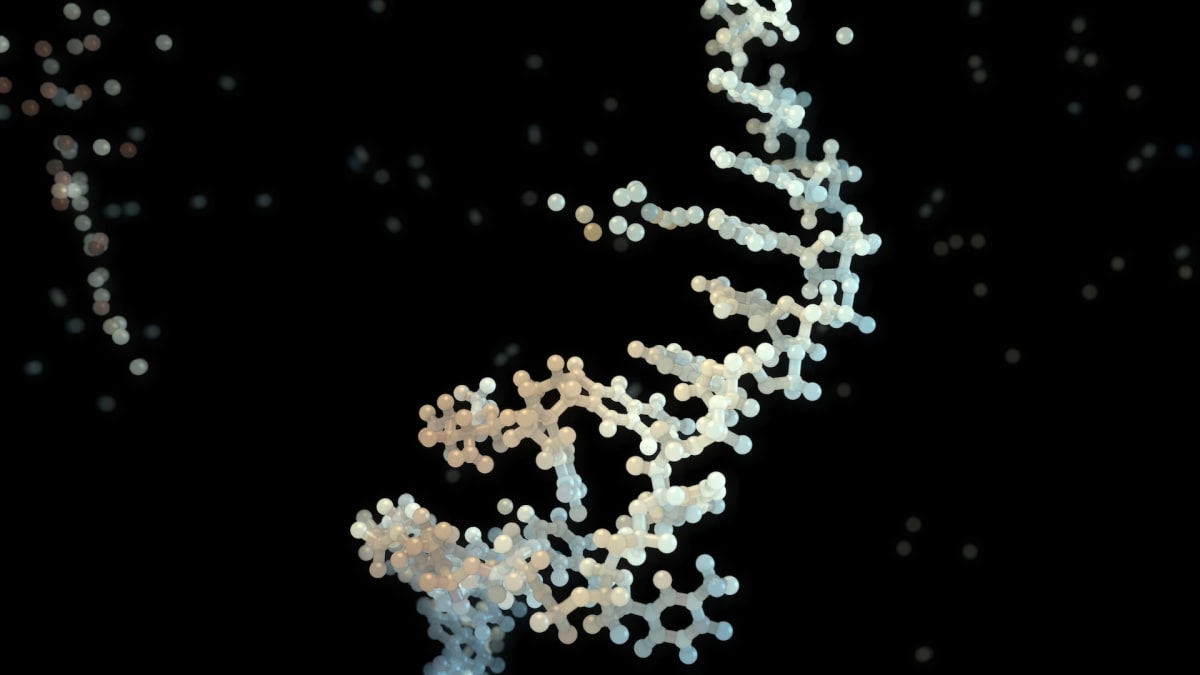
Scientists at Maynooth University in Ireland just built exactly that. Their Scaffolded DNA Computer uses billions of DNA molecules floating in salt water to solve math problems and error detection tasks without the constant energy drain of regular computers.
Here's how it works. Short DNA strands interact with a longer DNA scaffold like molecular puzzle pieces. The researchers heat and cool the mixture, and the strands naturally arrange themselves into the most stable configuration. That final structure is the answer to the calculation.
"The clever part is that the binding process is competitive," explained Professor Damien Woods. "The DNA molecules compete with each other to select a winner, which succeeds in binding to the scaffold."
Simple calculations like 10 + 3 took about 30 seconds. More complex problems involving millions took up to 14 hours. That sounds slow compared to your laptop, but it's lightning fast for DNA computing.
The real breakthrough is reusability. Earlier molecular computers were one-time experiments. This system can run different programs by simply swapping out DNA strands from storage. The team successfully demonstrated over 700 computations across their experiments.
Why This Inspires
This isn't about replacing your smartphone. DNA computers could transform how we store massive amounts of data, create smart materials that respond to their environment, or even run tiny medical devices inside living cells.
The system has built-in error correction properties, making it naturally resistant to the data corruption that plagues traditional storage. Because it operates using the laws of physics rather than forcing energy through circuits, it finds solutions by simply settling into the most favorable state.
"Molecular computers like this could be used in biological environments, smart materials and archival DNA data storage," said Assistant Professor Abeer Eshra, who co-authored the study published in Nature.
The technology opens doors to computing at the molecular level where conventional electronics can't go. Devices small enough to work inside cells could one day monitor health conditions or deliver targeted treatments from within the body itself.
For now, the team continues refining their system, proving that sometimes the smallest solutions create the biggest possibilities.
More Images

Based on reporting by Live Science
This story was written by BrightWire based on verified news reports.
Spread the positivity!
Share this good news with someone who needs it