DNA-Perovskite Device Cuts Storage Power Use by 100x
Scientists at Penn State have created a breakthrough memory device that combines synthetic DNA with solar cell materials, using 100 times less power than flash drives while storing far more data. The innovation could revolutionize energy-hungry AI data centers and pave the way for brain-like computing.
Imagine a computer memory that mimics your brain, stores massive amounts of data, and sips power like a hummingbird instead of guzzling it like a jet engine.
Scientists at Penn State just made that future real. They've successfully married synthetic DNA with a semiconducting material called perovskite to create a revolutionary memory device that solves one of tech's biggest problems: the enormous energy cost of storing and processing information.
Here's what makes this exciting. DNA naturally stores about 215 million gigabytes of data per gram, making it nature's ultimate hard drive. But getting biological molecules to play nice with electronics has stumped researchers for years.
The Penn State team cracked the code by using short, rigid synthetic DNA fragments instead of the long, tangled strands found in nature. Think of it like replacing wet spaghetti with precisely cut toothpicks that can be stacked and arranged with perfect control.
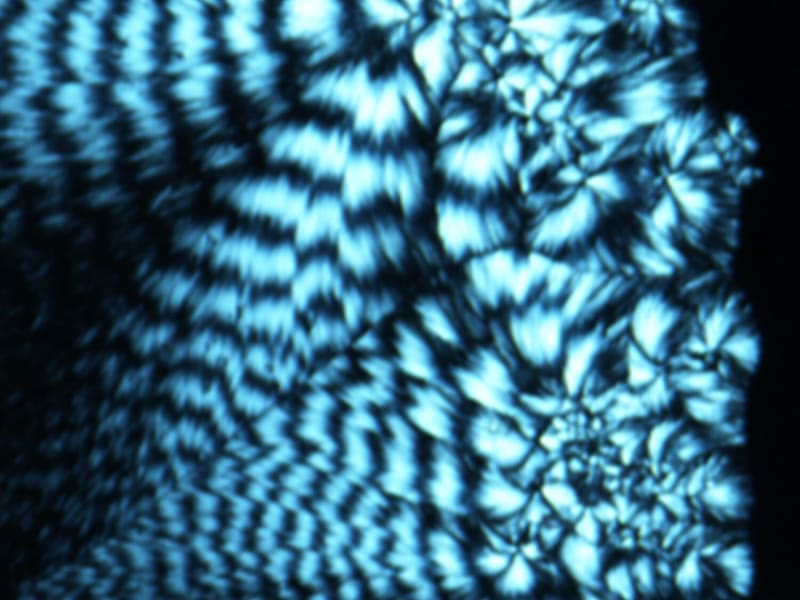
They doped these DNA fragments with silver nanoparticles and paired them with perovskite, a material commonly found in solar panels. The result is a "memristor" that remembers information even when powered off and operates on less than 0.1 volts. Your wall outlet delivers 120 volts, for comparison.
The device doesn't just save energy. It processes and stores data in the same location, mimicking how neurons work in your brain. This matters enormously for artificial intelligence, which currently demands massive data centers that consume as much electricity as small countries.
Research professor Bed Poudel explains that future AI will need neuromorphic computing that can juggle multiple inputs simultaneously and learn from experience. Traditional storage gets more power-hungry as capacity increases, but this DNA-based device flips that equation.
The breakthrough required treating DNA as programmable construction material rather than just biological code. The researchers computationally designed exact sequences of specific lengths, then engineered them to interface seamlessly with electronics at the nanoscale.
The Ripple Effect
This innovation arrives at a critical moment. Global data creation is exploding, and AI development shows no signs of slowing. Current infrastructure simply can't keep pace without burning through unsustainable amounts of energy.
The DNA-perovskite device offers a pathway to brain-inspired computers that are both more powerful and dramatically more efficient. Early tests show the device maintains stability and performs consistently, suggesting commercial viability isn't just theoretical.
The technology has already been patented and published in Advanced Functional Materials. While it'll take time to move from lab to laptop, the foundational science is sound and the materials are commercially available.
This isn't about making slightly better flash drives. It's about fundamentally reimagining how machines think, remember, and learn while respecting planetary limits.
The future of computing might just be written in our oldest language: the genetic code that's been storing information for billions of years.
More Images

Based on reporting by Phys.org - Technology
This story was written by BrightWire based on verified news reports.
Spread the positivity!
Share this good news with someone who needs it