DNA Reveals Poland's 800-Year-Old Burial Mystery
Two women buried in an embrace 800 years ago at a prominent Polish cathedral have puzzled researchers for years. New DNA analysis just confirmed they're Poland's first known medieval same-sex burial, opening questions about forgotten forms of kinship.
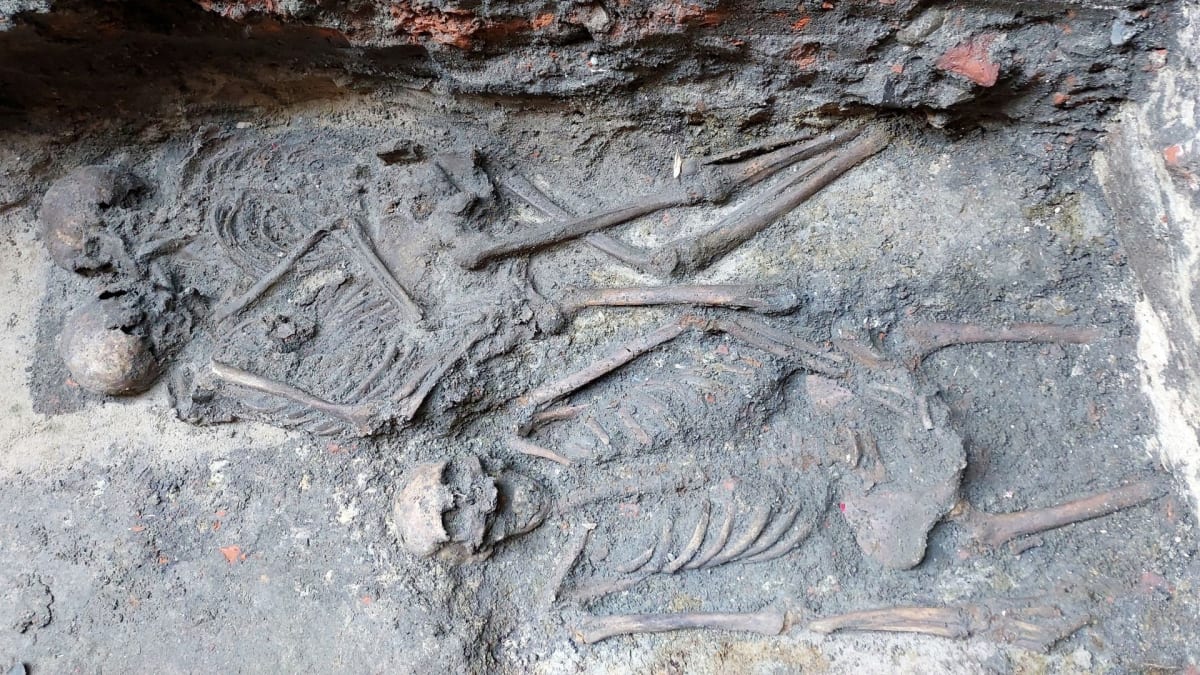
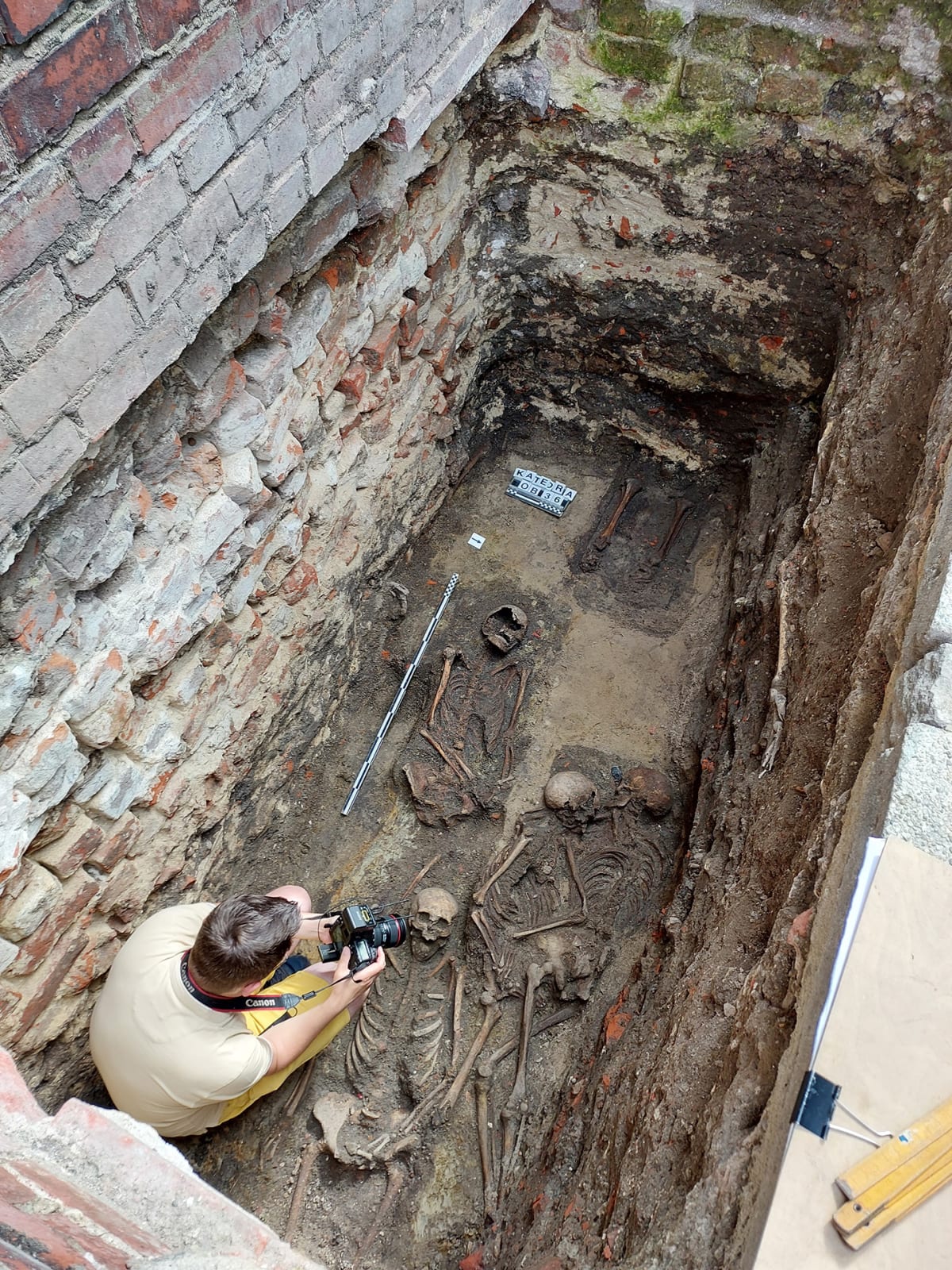
Two skeletons locked in an eternal embrace beneath a 13th-century Polish cathedral have finally revealed their secret: both were women, and their unique burial tells a story about medieval relationships we're only beginning to understand.
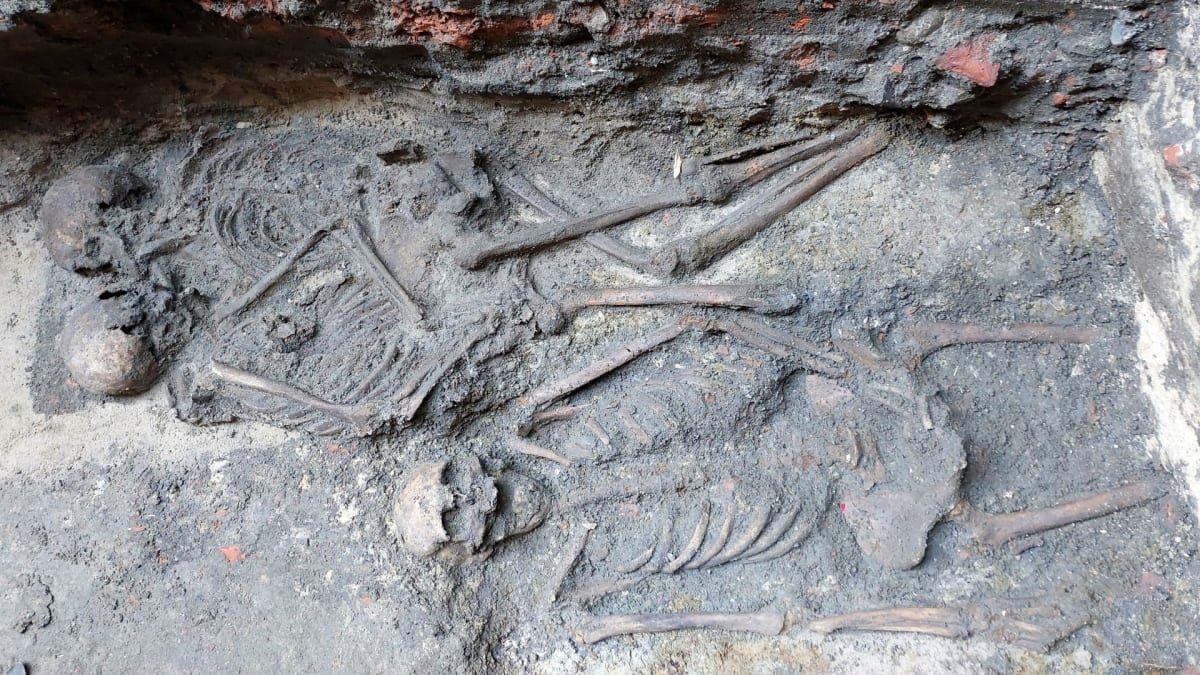
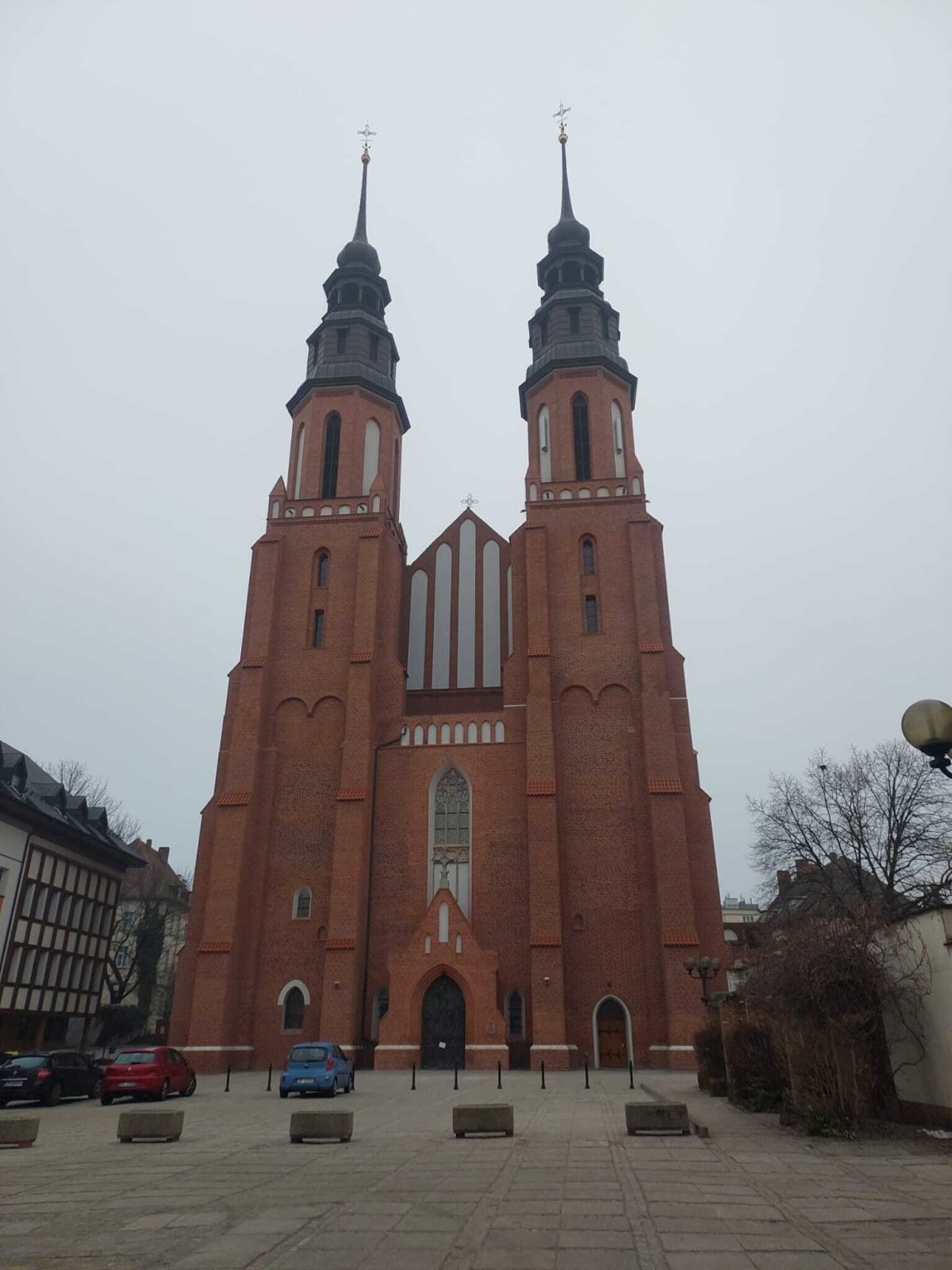
Archaeologists discovered the "hugging skeletons" during excavations at the Cathedral of the Exaltation of the Holy Cross in Opole, Poland, between 2022 and 2025. One woman lay on her back in traditional Christian burial position, while the other rested on her side with an arm beneath her companion's head, as if offering comfort.
The burial location itself speaks volumes. The women were interred right next to the cathedral walls, a spot typically reserved for kings and local notables. This wasn't a shameful hidden grave but a place of honor in medieval society.
DNA analysis solved one mystery but opened another. Biological anthropologist Agata Cieślik and her team extracted genetic material from the bones, piecing together fragments like "trying to reconstruct a book after it has been shredded into countless tiny pieces," explained study co-author Joanna Romeyer-Dherbey. The results confirmed both individuals were female and weren't closely related by blood.
So who were they to each other? Medieval records harshly condemned romantic same-sex partnerships, often with execution. If authorities suspected a romantic relationship, these women would never have received such an honored burial spot.
Why This Inspires
The discovery reminds us that human connections have always been more complex than simple categories allow. Medieval people formed deep bonds through shared religion, households, work, and communities. Researchers call these "fictive kinship" bonds that functioned like family ties and were socially recognized enough to be honored in death.
Their prominent burial suggests these women held respected positions in their community, whatever their relationship. The fact that they were laid to rest together with such care speaks to bonds that transcended typical family structures, recognized and honored by those who knew them best.
Future genetic analysis of other medieval graves may reveal whether such burials were rare or more common than history books suggest. Each discovery helps paint a fuller picture of how our ancestors lived, loved, and created families beyond bloodlines.
For now, two women rest together as they have for 800 years, their embrace a testament to connections that mattered enough to last beyond death.
More Images

Based on reporting by Live Science
This story was written by BrightWire based on verified news reports.
Spread the positivity!
Share this good news with someone who needs it