DNA Test Predicts Leukemia Relapse After Transplant
A groundbreaking blood test can predict which leukemia patients are most likely to relapse after bone marrow transplants, helping doctors personalize treatment. The discovery could transform care for thousands battling this aggressive blood cancer.
Cancer researchers have discovered a powerful way to predict which leukemia patients face the highest risk of relapse after lifesaving bone marrow transplants.
The highly sensitive DNA test detects tiny traces of cancer cells hiding in patients' blood, even when they appear to be in remission. These microscopic threats, representing fewer than one in 10,000 cells, can signal whether the cancer will return.
The research focused on acute myeloid leukemia, an aggressive blood cancer that strikes quickly. About 30% of adults with this disease carry a mutation in a gene called NPM1, and many undergo stem cell transplants to replace their diseased bone marrow with healthy donor cells.
Scientists at Virginia Tech's Fralin Biomedical Research Institute analyzed blood samples from 190 patients who received transplants between 2013 and 2019. The team used next-generation DNA sequencing to hunt for traces of the NPM1 mutation before transplant.
The results were striking. Patients who tested positive for the mutation were three to four times more likely to relapse and had significantly lower survival rates than those who tested negative.
The stakes proved even higher for patients with the most detectable cancer traces. Those with the highest levels had only a 27% chance of surviving three years after transplant, revealing just how crucial early detection could be.
The Ripple Effect: This discovery reaches far beyond individual patients. The research team collaborated with the National Marrow Donor Program and brought together experts from Virginia Tech, Harvard Medical School's Dana-Farber Cancer Institute, and Fred Hutch Cancer Center, plus representatives from the FDA and more than 20 pharmaceutical companies.
The partnership reflects a growing movement toward precision medicine, where treatments are tailored to each patient's unique genetic profile. Rather than using a one-size-fits-all approach, doctors can now make informed decisions about who needs more aggressive treatment and who might avoid unnecessary interventions.
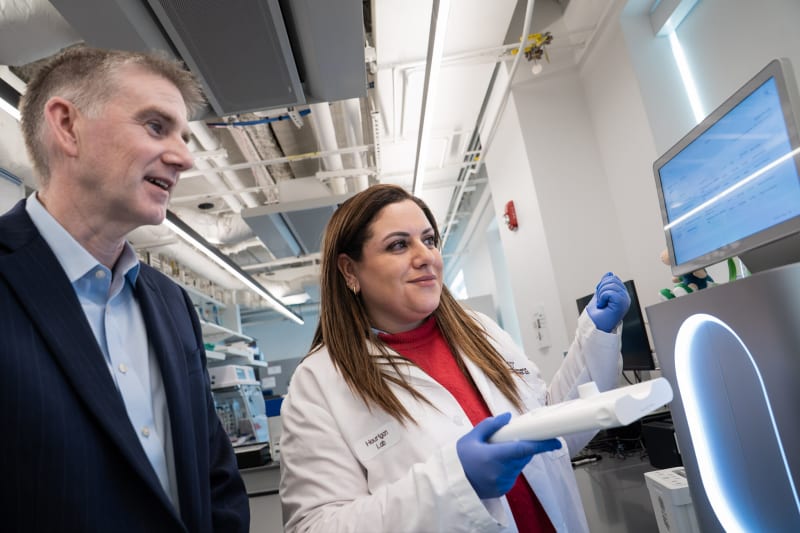
Lead researcher Christopher Hourigan emphasized the importance of building solid evidence before changing how doctors treat this rare disease. His team has published four studies evaluating different genetic markers and commercially available tests to ensure the technology works responsibly.
The findings have already sparked a nationwide follow-up study at 18 major cancer centers across the United States. Results from this larger validation study, called MEASURE, are expected in 2026 and could change treatment standards for leukemia patients everywhere.
For thousands of families facing this diagnosis each year, the research offers something precious: the ability to fight smarter against a formidable opponent.
More Images


Based on reporting by Medical Xpress
This story was written by BrightWire based on verified news reports.
Spread the positivity!
Share this good news with someone who needs it