DNA Vaccine Rivals mRNA, Easier to Store and Make
Scientists at Harvard have created a new DNA origami vaccine that works as well as mRNA shots but doesn't need freezers and is simpler to manufacture. The breakthrough could make life-saving vaccines accessible to millions more people worldwide.
A revolutionary vaccine technology promises to deliver the same life-saving power as mRNA shots without the headache of ultra-cold storage or complex manufacturing.
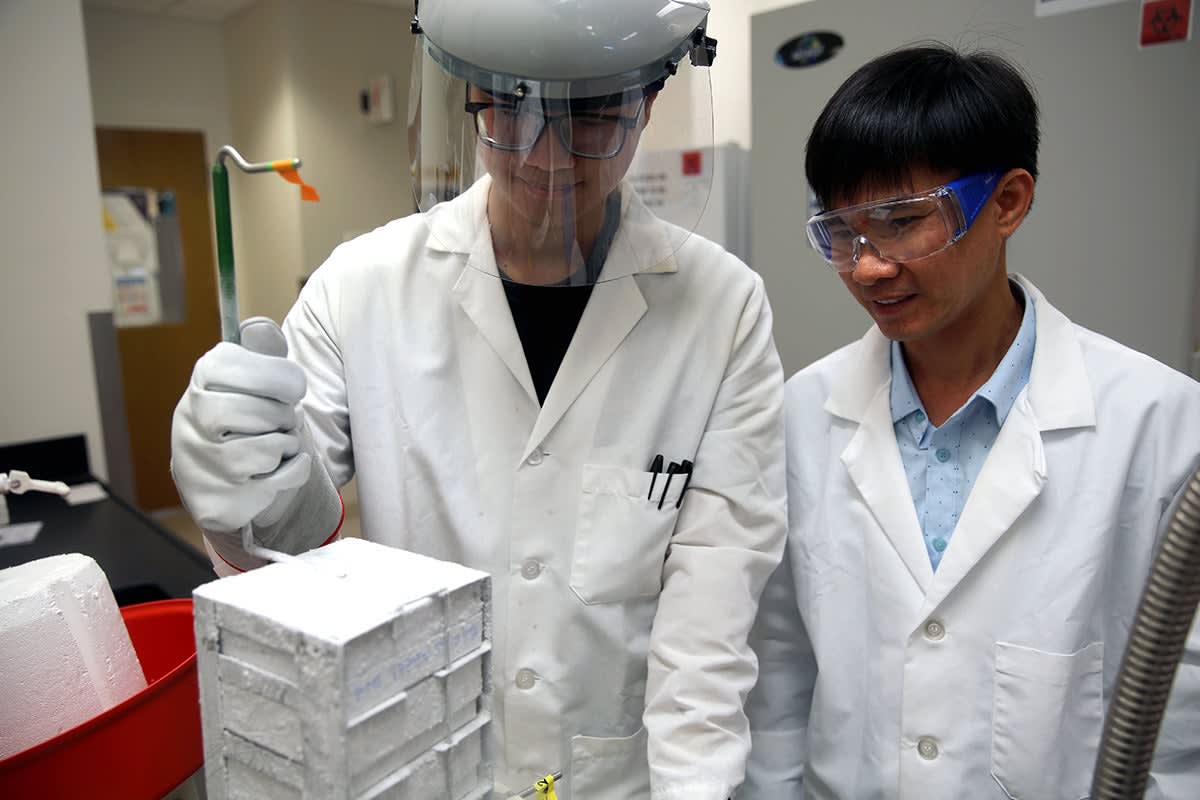
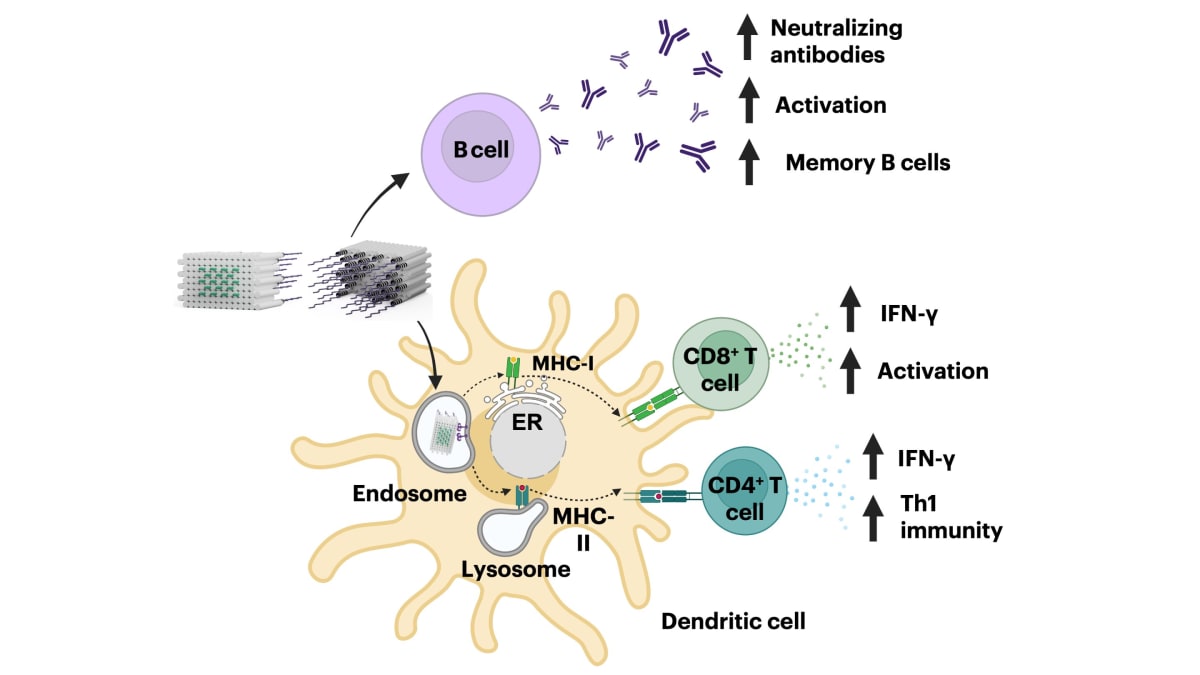
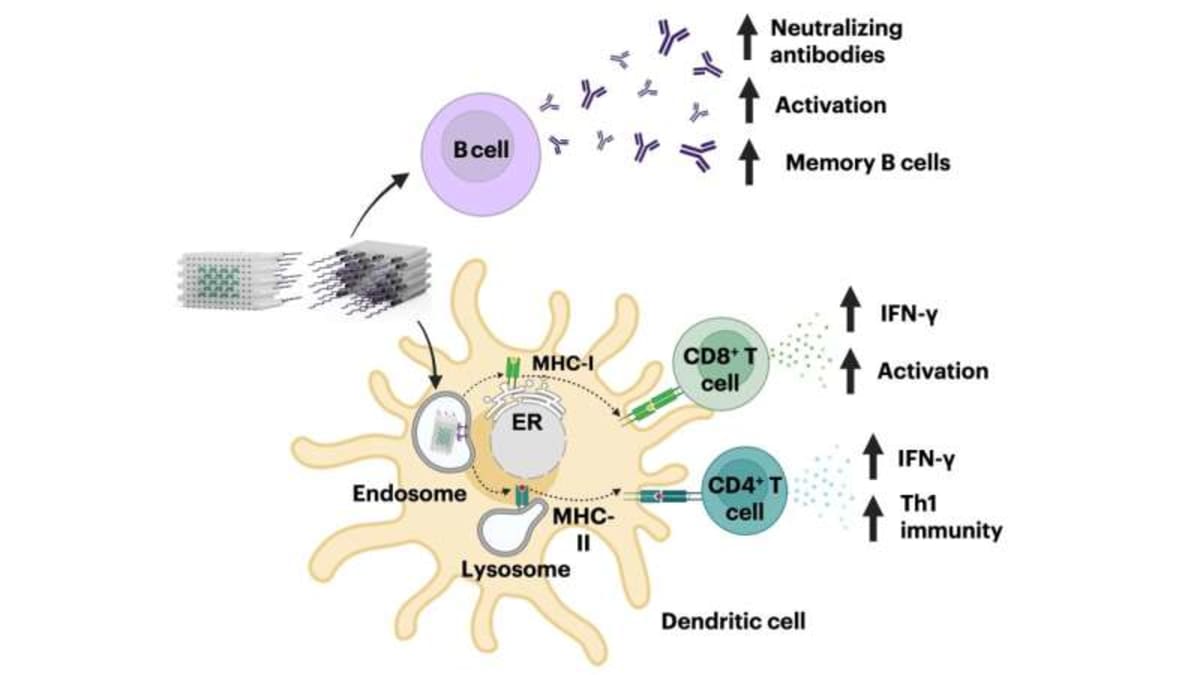
Researchers at Harvard's Wyss Institute have developed DoriVac, a DNA origami vaccine that folds into tiny, self-assembling blocks smaller than you can imagine. These microscopic structures present disease-fighting components in a precisely organized way that supercharges the immune system.
The timing couldn't be better. While mRNA vaccines prevented an estimated 14.4 million COVID-19 deaths in their first year, they come with serious limitations. They require expensive cold storage, have complicated manufacturing processes, and produce immune responses that vary widely between people and fade relatively quickly.
DoriVac tackles all these problems head-on. The new platform is stable at room temperature, easier to manufacture, and gives scientists unprecedented control over exactly what goes into each dose.
In laboratory tests, the team targeted a region of the spike protein shared by SARS-CoV-2, HIV, and Ebola. The vaccine triggered powerful immune responses in mice, activating both antibody production and T cell defenses. When tested in a cutting-edge microfluidic chip that mimics human lymph nodes, it produced equally strong results with human immune cells.
The real showdown came when researchers pitted DoriVac directly against current mRNA vaccines. Using the same spike protein variant, the DNA origami vaccine matched the immune activation of mRNA shots while being far more stable and practical to produce and distribute.
Dr. William Shih, who led the research team, calls DoriVac "an extremely flexible chassis" that allows scientists to program immune responses on a molecular level. His team first developed the platform in 2024 for cancer treatment, where it already showed superior results compared to traditional vaccine components.
The Ripple Effect
The implications stretch far beyond COVID-19. Scientists are already exploring DoriVac's potential against influenza, RSV, HIV, Zika, Epstein-Barr virus, and tuberculosis. The platform's versatility means it could be quickly adapted to fight emerging threats, while its stability makes it ideal for reaching remote communities without reliable refrigeration.
For countries that struggled to maintain the deep-freeze infrastructure needed for mRNA vaccines, this could be transformative. A vaccine that works just as well but ships and stores like regular medication opens doors that were previously closed.
The technology also solves a consistency problem that has plagued vaccine development. By controlling the exact number and placement of immune-triggering molecules, DoriVac could reduce the person-to-person variation in vaccine effectiveness that researchers have observed with mRNA shots.
The findings, published in Nature Biomedical Engineering, represent years of work that accelerated during the pandemic when the team realized their cancer research could help fight infectious diseases too.
Future vaccine campaigns might not need freezer trucks and complicated logistics, just better science folded into impossibly small packages.
More Images

Based on reporting by Phys.org
This story was written by BrightWire based on verified news reports.
Spread the positivity!
Share this good news with someone who needs it