MIT Finds Pink Noise Boosts Brain Cleaning During Sleep
Scientists discovered that playing gentle sounds at the right moment during deep sleep can help your brain flush out waste linked to Alzheimer's. A simple wearable device could soon bring this breakthrough home.
Scientists at MIT have cracked the code on helping your brain take out the trash while you sleep, and the solution might be as simple as listening to the right sounds at bedtime.
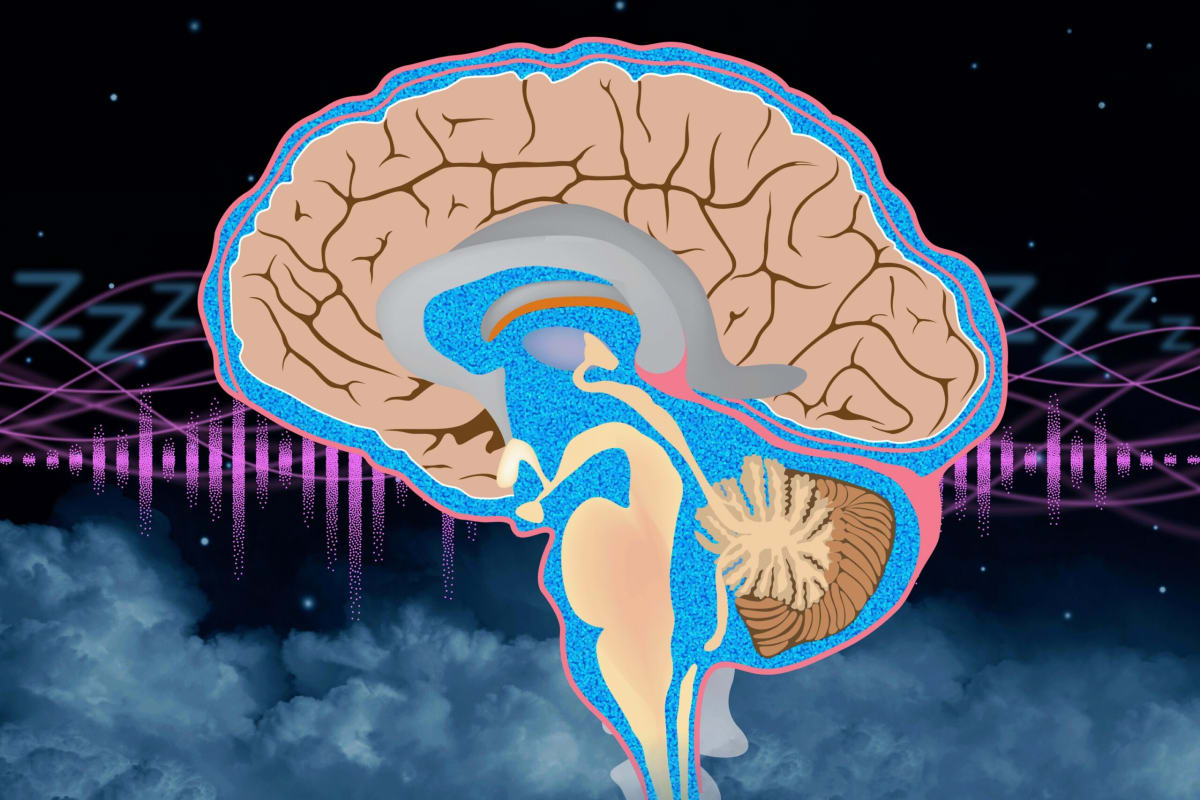
Researchers found that pink noise, a soft waterfall-like sound, can boost the flow of cerebrospinal fluid (CSF) that clears harmful waste from your brain during deep sleep. This includes proteins linked to Alzheimer's disease and other forms of dementia.
The breakthrough came from perfectly timing millisecond bursts of pink noise to match the natural rhythm of deep sleep. By monitoring brain waves with EEG readings while participants slept in an MRI scanner, the team pinpointed exactly when to deliver each sound pulse.
"We found that we were able to increase the size of the CSF flow wave during sleep, which as far as we know, there hasn't been a method to do before," said Laura Lewis, associate professor at MIT and senior author of the study published in Science Translational Medicine.
Think of it like pushing a child on a swing. Push at exactly the right moment, and the swing goes higher with less effort. The pink noise works the same way, amplifying your brain's natural cleaning cycles when timed perfectly with slow brain waves during deep sleep.
The technical challenge was enormous. Recording clear EEG signals inside a magnetic brain scanner typically creates interference, but the team developed a method to clean up the signals in less than 100 milliseconds and predict when the next brain wave would peak.
After successfully testing the approach with 14 healthy volunteers, the researchers are now developing a wearable headband that people could use at home. No hospital visits, no complex equipment, just better sleep quality and brain health.
Why This Inspires
More than 6 million Americans live with Alzheimer's disease, a number expected to nearly triple by 2060. While we wait for medical cures, this research offers something beautifully simple: using sound to help our brains help themselves.
The team plans to test their device in patients with mild cognitive impairment and other neurodegenerative disorders. If successful, a technology as accessible as a sleep headband could give millions of people a new tool in the fight against cognitive decline.
What makes this discovery particularly hopeful is its elegance. No invasive procedures, no medications, just working with your body's natural rhythms to strengthen processes already happening every night. Your brain already knows how to clean itself. Scientists are simply learning to turn up the volume.
More Images


Based on reporting by Google News - Researchers Find
This story was written by BrightWire based on verified news reports.
Spread the positivity!
Share this good news with someone who needs it