Doctor Dying from Rare Disease Asks: What Can I Do Today?
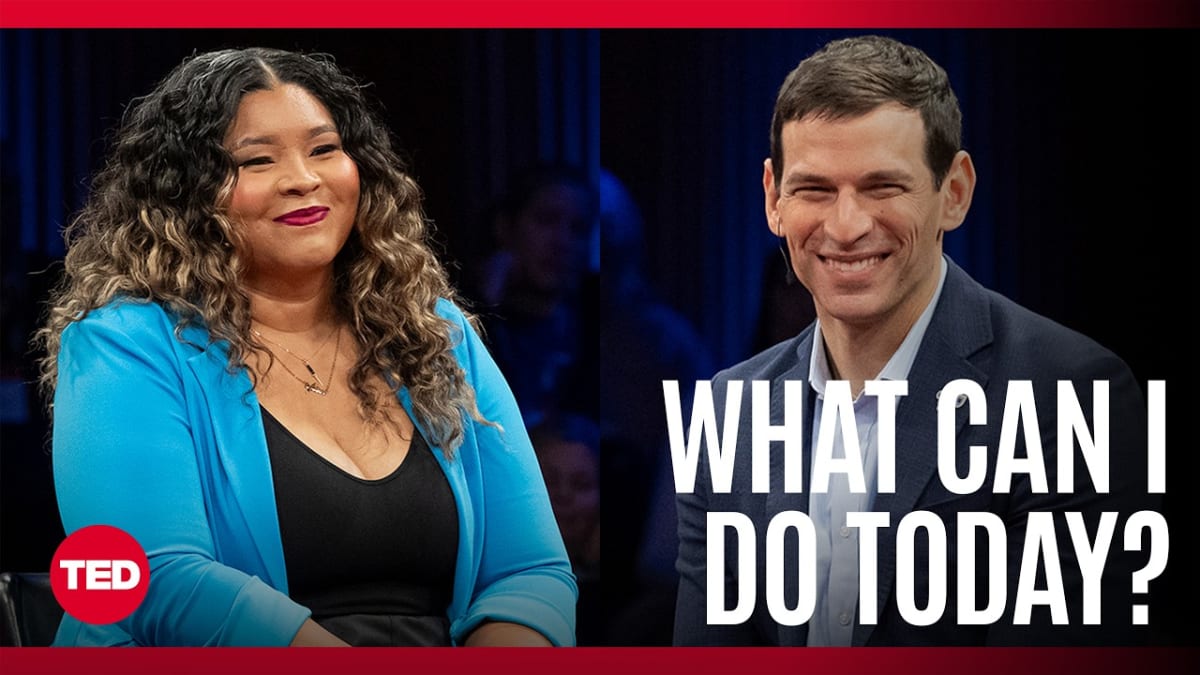
When physician-scientist David Fajgenbaum was told there was nothing left to try for his rare disease, he started asking a different question. Together with social entrepreneur Kiah Williams, he's proving that turning hope into action creates real change.
Two people facing impossible odds discovered the same secret: the right question changes everything.
David Fajgenbaum was dying from a rare disease with no known cure. Kiah Williams was confronting the harsh realities of economic hardship that seemed insurmountable. Both heard the same message from the world around them: there's nothing you can do.
So they stopped asking "Can this be fixed?" and started asking "What can I do today?"
Fajgenbaum, a physician-scientist, refused to accept that his rare disease had beaten him. Instead of waiting for someone else to find answers, he began researching his own condition. His shift from hopelessness to action didn't just change his mindset—it changed his outcome.
Williams took the same approach to economic barriers in her community. Rather than being paralyzed by the scale of the problem, she focused on the next right step. Then the next one after that.
Why This Inspires
What makes their stories powerful isn't that they eliminated all obstacles overnight. It's that they proved hope isn't just a feeling—it's a decision followed by action.
Both discovered that "impossible" often means "no one has figured it out yet." That gap between current reality and future possibility isn't a dead end. It's an invitation.
Their conversation at TEDNext 2025 reveals how asking better questions leads to better outcomes. When you can't control the diagnosis, the economy, or the odds, you can still control your next move.
The world is full of people who were told to give up but decided to show up instead.
Based on reporting by TED
This story was written by BrightWire based on verified news reports.
Spread the positivity!
Share this good news with someone who needs it