Doctor Improves After First-Ever Personalized ALS Treatment
A physician with a rare form of ALS became the first person to receive a drug custom-designed for his specific genetic mutation, and a year later he's still working and showing improved symptoms. The breakthrough opens doors for treating thousands of rare diseases with personalized RNA therapies.
A working doctor with an incurable motor neuron disease just proved that personalized medicine can move at the speed of hope.
The physician, who has a rare form of ALS caused by a unique genetic mutation, received the first-ever treatment designed specifically for his condition. One year later, his symptoms have improved, he shows no cognitive decline, and he's still practicing medicine.
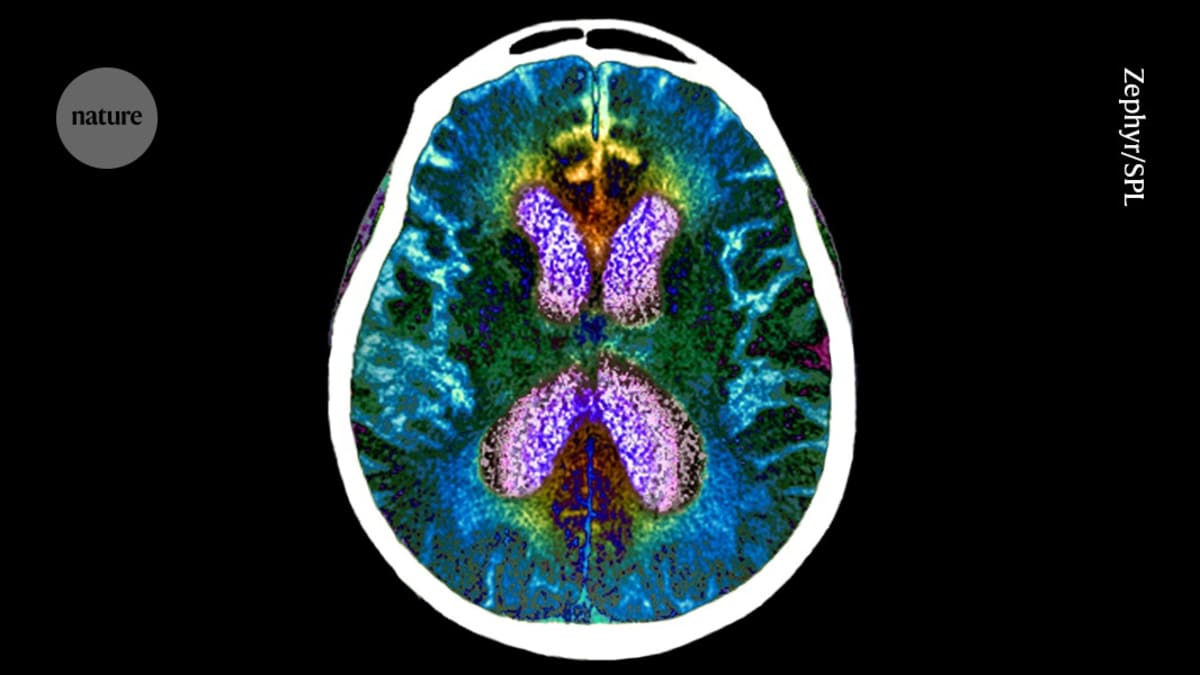
ALS, also called motor neuron disease, typically gives patients just two to five years after diagnosis. The disease destroys the neurons that control movement, leading to paralysis and eventually respiratory failure. There's no cure and few treatment options.
This patient's disease stems from a mutation in the CHCHD10 gene, found in fewer than 1% of inherited ALS cases. The mutation damages the mitochondria that power cells, contributing to neuron death.
Enter antisense oligonucleotide therapy, a form of RNA treatment that doesn't alter genes but reduces harmful protein production. Between April 2024 and April 2025, the patient received six doses injected into his spine with no serious side effects.
The results surprised even the researchers. Blood markers that indicate neuron damage dropped to normal levels, suggesting the treatment is protecting brain cells. Motor function scores improved, and breathing and cognitive function remained stable.
Why This Inspires
What makes this breakthrough extraordinary isn't just that it worked. It's how fast it happened.
Previous antisense therapies for more common ALS mutations took at least a decade to develop. This personalized treatment was created, tested in animals, and given to the patient in just three years.
That speed matters enormously. For someone diagnosed with a two-to-five year life expectancy, a decade-long drug development timeline offers no hope. Three years changes everything.
Researchers say this approach can work for the 5 to 10% of ALS patients with known genetic mutations. It could even help people with multiple mutations or entirely unique ones. The same technology shows promise for other neurodegenerative diseases caused by rare genetic defects.
Neurologist Steve Vucic from the University of Sydney calls the results an "exciting first step," though he cautions that determining whether the treatment truly stops disease progression will require monitoring the patient for another two to three years and testing in more people.
For now, this physician continues working, living proof that personalized medicine can be developed within a human lifespan. His improvement after a year remains rare for ALS patients, giving researchers and patients alike reason to believe that targeted RNA therapies represent a genuine path forward for treating diseases once considered untreatable.
The future of rare disease treatment just got a little brighter, one customized therapy at a time.
More Images
Based on reporting by Nature News
This story was written by BrightWire based on verified news reports.
Spread the positivity!
Share this good news with someone who needs it